National Dish Mauritius: Zarico Blanc (Recipe)
In this article
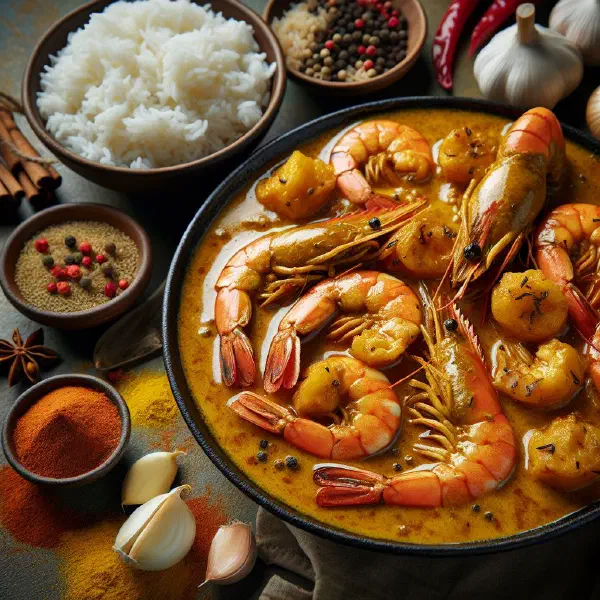
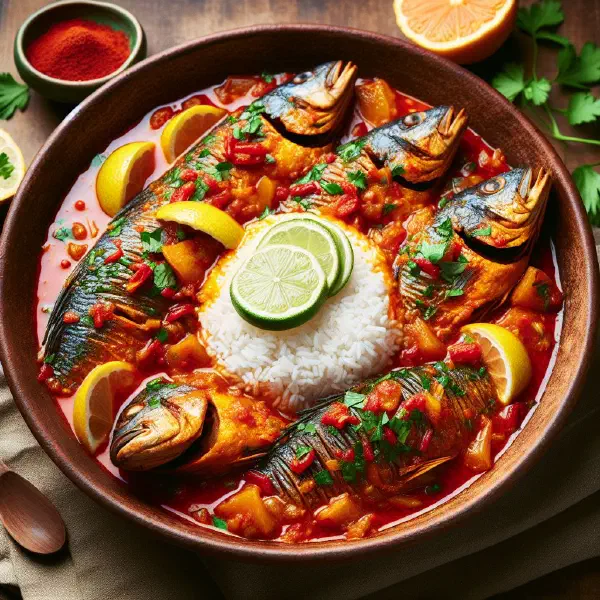
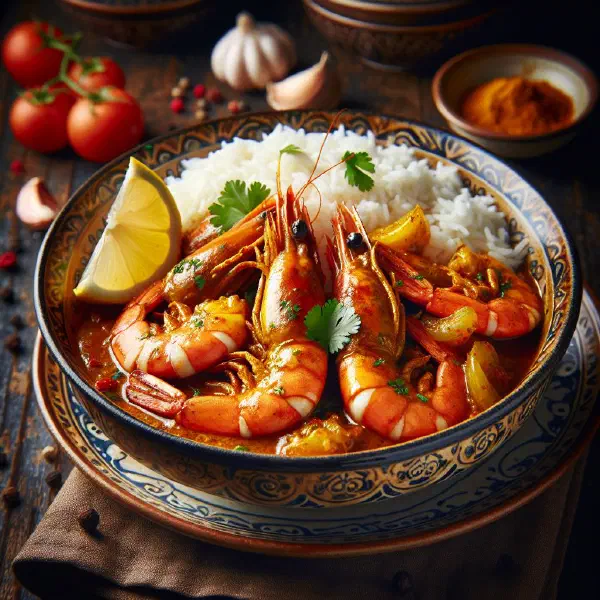
Treat yourself to Zarico Blanc, a Mauritian favourite that brings the island’s flavours straight to your table. Fresh seafood is gently simmered in creamy coconut milk with ginger, garlic and a lively squeeze of lime, creating a dish that feels both comforting and wonderfully exotic. This guide walks you through everything, from shopping and step-by-step cooking to clever tweaks for different diets and tastes.
About Zarico Blanc
It combines the freshness of the finest seafood with an exquisite selection of spices and the distinctive taste of coconut. The harmonious blend of aromas gives zarico blanc an unmistakable character that turns any meal into a special occasion. Whether for a festive gathering or a heavenly everyday dinner, this dish is a must for every food lover.
Ingredients (serves 1–2)
- 250 g fresh seafood (e.g. fish, prawns, squid)
- 1 tin coconut milk
- 1 onion, finely chopped
- 2 garlic cloves, chopped
- 1 piece of ginger, grated
- 2 tomatoes, diced
- 1–2 green chillies, deseeded and chopped (to taste)
- 2 tablespoons lime juice
- 2 tablespoons oil, for frying
- Salt and pepper to taste
Shopping for the ingredients
When shopping for this dish, pay close attention to the freshness of the ingredients, especially the seafood. Ideally, buy it on the day you plan to cook to guarantee the fullest flavour. Visit local fish markets or fishmongers to find the best quality. Do not forget to pick up the spices and coconut milk from a well-stocked supermarket to ensure an authentic taste experience.
Preparing the dish
Before you start cooking zarico blanc, lay out all the ingredients ready for the stove. The seafood should be thoroughly cleaned and, if necessary, cut into pieces. Vegetables such as the onion, garlic and tomatoes should also be prepped and placed within easy reach of your cooking area. This groundwork saves time and makes the cooking process far more efficient.
Step-by-step instructions
- Heat the oil in a large pan and add the onion, garlic and ginger. Fry until golden brown.
- Add the diced tomatoes and the chillies and let everything simmer for a few minutes.
- Now add the seafood to the pan and fry briefly until just cooked through.
- Pour in the coconut milk and stir well. Let the dish simmer for about 10–15 minutes so the flavours can come together.
- Season with lime juice, salt and pepper, and serve hot with rice or fresh bread.
Gluten-free / lactose-free version
Zarico blanc is naturally gluten-free and lactose-free, as the main ingredients contain no gluten or dairy products whatsoever. If you want to be certain the meal stays completely gluten-free, simply choose gluten-free products for any side dishes.
Tips for vegans and vegetarians
Although zarico blanc is traditionally made with seafood, vegans and vegetarians can get creative with alternatives. Replace the seafood with tofu or vegetables such as courgette and peppers. Chickpeas or lentils also make an excellent source of protein and give the dish extra texture, much like the pulses in a hearty Dhal Curry. These adaptations ensure everyone can enjoy the wonderful flavours.
More tips and tricks
Another important tip when preparing zarico blanc is to use fresh herbs such as coriander or parsley, which lend the dish a lovely freshness. Take care not to cook over too high a heat, as the seafood can otherwise turn tough. It also helps to add the coconut milk towards the end of the cooking time to intensify the flavour. This keeps the dish creamy and full-bodied.
Adapting the recipe to your taste
The recipe for zarico blanc can be adjusted entirely to your personal preferences. Like it hotter? Add more chillies. For a fruitier variation, you can fold in pineapple or mango, which gives the dish a tropical note. These variations let you make sure it suits your palate and keeps every batch unique.
Ingredient substitutions
If you are looking for alternatives to create your own take on zarico blanc, there are plenty of options. Instead of coconut milk, you can use oat cream or almond milk. For those who would miss the taste of the sea, there are also vegan seafood substitutes made from plant proteins. Alternatives like these let you adapt the dish to different dietary needs and preferences, or swap the seafood for octopus, as in a classic Cari Ourite.
Drink pairing ideas
Fresh, zesty drinks that complement the flavours of the dish pair best with zarico blanc. An ice-cold coconut water or a light, fruity beer make excellent companions. A dry white wine such as a Sauvignon Blanc also goes beautifully with the aromas of seafood and coconut milk.
Serving and presentation ideas
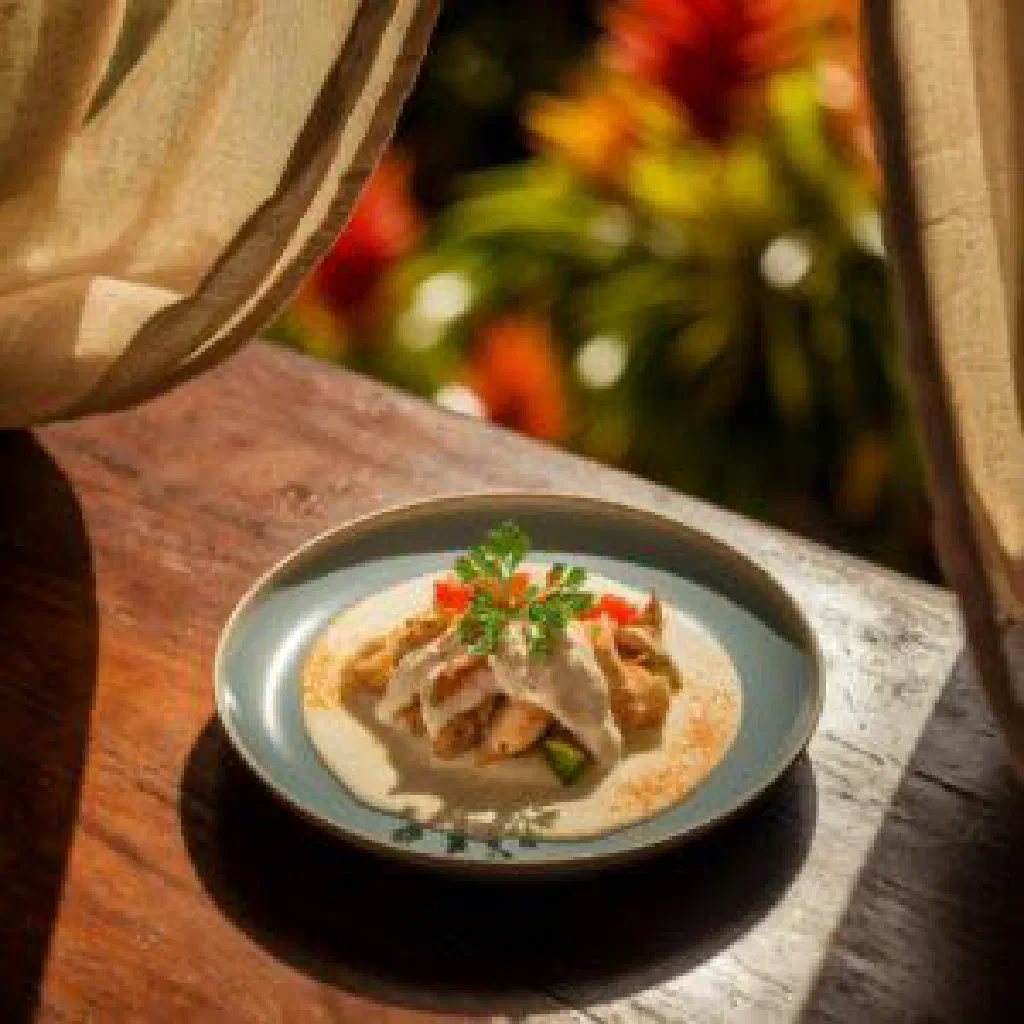
Presentation plays an important role in impressing your guests with zarico blanc. Serve the dish on a colourful plate or in a coconut shell to underline its tropical character. Garnish with fresh herbs and a squeeze of lime juice to create contrasting colours. Arrange the rice or bread attractively on the plate to complete the appealing overall picture.
A bit of history
Zarico blanc has its roots in the varied and richly layered Mauritian cuisine, which has been strongly shaped by many different cultures. Originally influenced by Indian and African traditions, it was later refined through contact with European cooking. Priests, settlers and traders all helped foster the diversity of flavours and ingredients so prized in Mauritian kitchens today. Zarico blanc is an outstanding example, embodying the essence of this cultural fusion.
More recipe ideas
Summary: Zarico Blanc
All in all, zarico blanc is a delicious and distinctive way to experience the culinary heritage of Mauritius. With fresh seafood and the special note of coconut milk, it is a dish cherished both on the island and internationally. Look forward to your next festive table by trying this dish for yourself.