National Dish Micronesia: Fried Taro (Recipe)
In this article
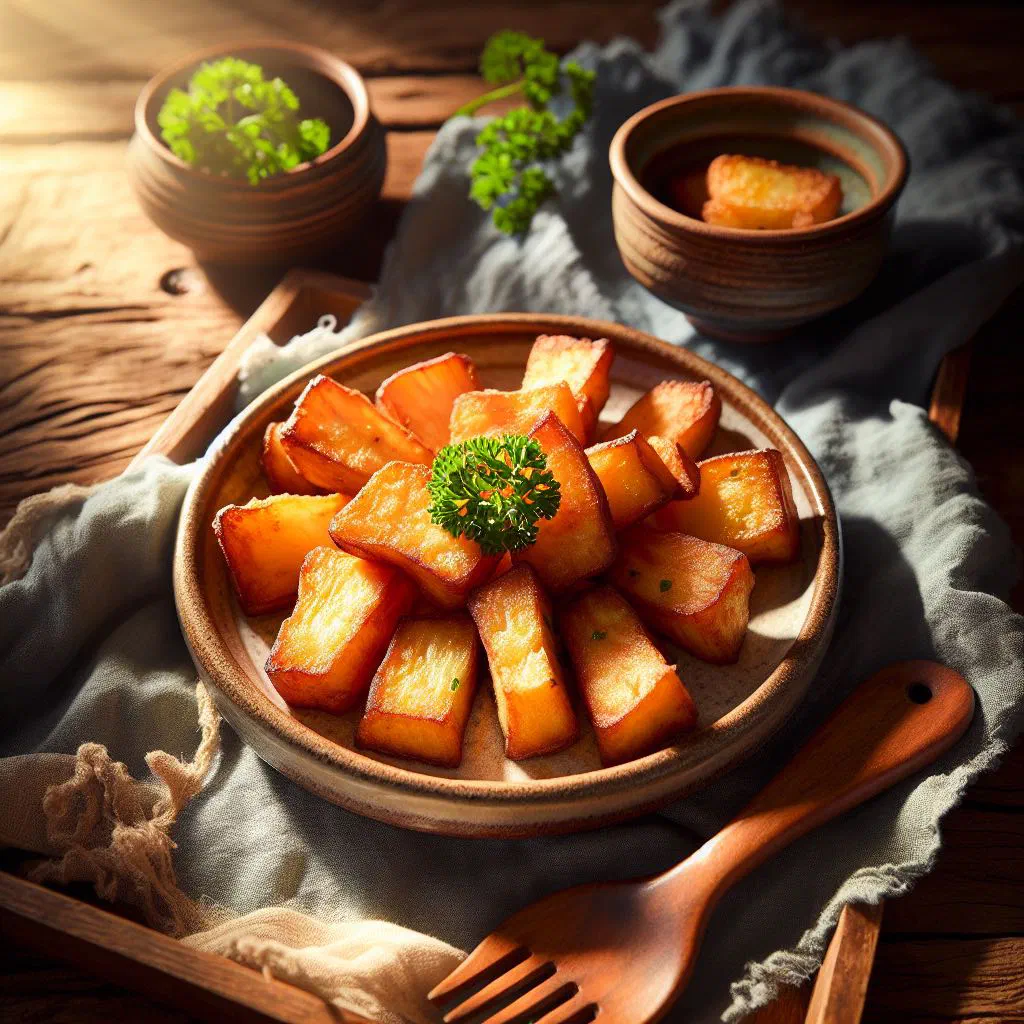
Meet Fried Taro, the crisp, golden island snack that Micronesia has made its own. Humble taro root is peeled, sliced and fried in a light batter until the edges turn shatteringly crunchy while the inside stays soft and gently sweet. It is naturally plant-based, endlessly adaptable and quick enough for a weeknight, a proper taste of the tropics from your own frying pan.
About Fried Taro
Fried taro has its origins in the tropical regions of Polynesia and Micronesia, where the taro root counts as one of the great staple foods. Its versatility and nutritional density have carried it into kitchens far beyond the islands. Taro has a mild, faintly sweet flavour that comes into its own across a range of preparations. The fried version is especially popular because it is easy to make and delivers a crisp, appetising texture that wins people over on the first bite.
Ingredients (serves 1–2)
- 2 medium taro roots
- 1/2 cup flour (rice or wheat flour, for example)
- 1/2 cup water
- Salt to taste
- Vegetable oil, for frying
Shopping for the ingredients
Before you start on your fried taro, it is worth sourcing the right ingredients. Taro roots are sold in Asian grocery shops and in well-stocked supermarkets. Look for fresh, firm roots, as damaged or softened specimens will not give you the best flavour. If you have particular dietary requirements, gluten-free flour slots straight into the recipe so the dish fits your way of eating.
Preparing the dish
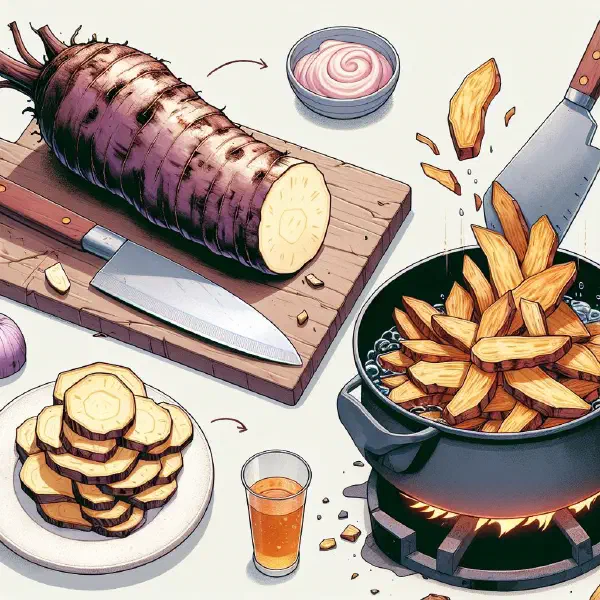
To begin, the taro roots need thorough cleaning and peeling. This removes dirt and any blemishes that might spoil the flavour. Peel carefully so you do not lose more of the valuable flesh than necessary. Then cut the roots into even pieces or thin chips, depending on how you would like to present the finished dish, the same approach that works beautifully for Taro Chips.
Step-by-step instructions
- Cut the peeled taro roots into even slices or chunks.
- In a bowl, mix the flour with the water and a pinch of salt until you have a smooth batter.
- Dip the taro pieces into the batter so they are evenly coated.
- Heat plenty of vegetable oil in a pan and fry the coated pieces until golden brown.
- Once crisp, lift the pieces out of the oil and drain on kitchen paper.
- Serve the fried taro straight away, adding extra seasoning to taste.
Gluten-free / lactose-free version
Making fried taro gluten-free is straightforward: simply use rice flour or cornflour in place of wheat flour. The rest of the recipe stays exactly the same, and neither the flavour nor the texture suffers for it. If you also want to cook lactose-free, you are already there. Every ingredient in the recipe is naturally free of dairy. Just check that the oils and seasonings you choose are lactose-free too.
Tips for vegans and vegetarians
For vegans and vegetarians, fried taro is close to ideal, since it is naturally plant-based from the outset. To vary the flavour, add spices such as curry powder or paprika to intensify the aromas. The taro pieces are also wonderful with dips made from avocado or peanuts, which bring extra nutrients and another layer of taste. Just make sure that any sides and sauces you serve alongside use only plant-based ingredients.
More tips and tricks
If you would rather keep things lighter, the pieces crisp up nicely in an air fryer or in the oven. We also recommend blanching the taro beforehand to shorten the frying time and improve the texture. Experiment with different coatings, cornmeal, for instance, to achieve interesting flavour notes. You can also stir spices directly into the batter to give the dish a personal signature.
Adapting the recipe to your taste
Everyone’s palate is different, which is why fried taro is so easy to adjust. Add herbs such as rosemary or thyme for an aromatic lift. You could also finish the pieces under the grill with cheese or a vegan cheese alternative for another exciting layer of flavour.
Ingredient substitutions
If taro roots prove hard to find, other starchy roots such as sweet potato or cassava step in well, the same logic behind a good Fried Breadfruit. Potato flour or coconut flour work as alternatives to wheat flour if you need a gluten-free option. Depending on your preference you can also switch the frying medium to coconut oil or avocado oil, both of which add nutritional value and character. With substitutions like these the recipe stays tasty and flexible.
Drink pairing ideas
To enjoy fried taro at its best, think about what you pour alongside it. A freshly pressed fruit juice, pineapple or orange, say, lifts the aromas and adds a refreshing counterpoint, much like a chilled Soursop Juice. Coconut water is another excellent choice, since it echoes the tropical character of the dish. For an alcoholic option, a light white wine or a crisp beer sits well with fried food.
Serving and presentation ideas
To present fried taro attractively, arrange the pieces on a handsome platter and garnish with fresh herbs. Colourful dips and sauces give the dish an aesthetic edge and invite people to dig in. Creative tableware and a little table dressing lift the whole experience. A thoughtful presentation helps the dish show at its best and stay in the memory.
A bit of history
Fried taro has a long tradition in Micronesian and Polynesian culture and speaks to the varied diet of the island groups. Taro is often served on feast days and has been refined across generations of family recipes. The way the dish is made reflects the region’s farming practices, where taro grows in wet, irrigated fields. The richness of flavour and the nutritional density of the root make it an indispensable part of Micronesian cuisine, whether fried, roasted or simmered as in Taro Leaf Stew.
More recipe ideas
Summary: Fried Taro
In short, fried taro is not only simple to prepare but genuinely nourishing too. The combination of earthy flavour and crisp texture makes it a firm favourite as a snack or a side. It offers plenty of room for adjustment, so you can shape it into an experience that is entirely your own. With the right technique and a few creative ideas, fried taro will comfortably become the highlight of any meal.