National Dish Micronesia: Pandanus Jam (Recipe)
In this article
Discover Pandanus Jam, a sweet, fragrant preserve that carries the warmth of the Micronesian islands straight to your breakfast table. Made from the golden, tropical pandanus fruit, it is simple to prepare, endlessly adaptable and utterly unlike anything you will find in a supermarket jar. One spoonful is enough to turn an ordinary morning slice of toast into something quietly exotic.
About Pandanus Jam
Pandanus Jam is not only a festive treat but a small piece of Micronesia on your table. This delicious preserve is made from the nourishing pandanus fruit, which grows throughout the tropical regions of the Pacific. Its sweet, aromatic character brings the warmth and flavour of the islands directly into your kitchen. A spoonful lends any breakfast an exotic flair, and preparing it is a wonderful way to discover the culture and traditions of Micronesia.
Ingredients (serves 1–2)
- 300 g fresh pandanus fruit
- 200 g sugar
- 1 lemon (juice and zest)
- 1 cup water
- 1 teaspoon vanilla extract
Shopping for the ingredients
To make pandanus jam well, it pays to source good-quality ingredients. Many food shops stock fresh pandanus fruit, while sugar and lemons are available almost everywhere. When choosing the fruit, look for pieces that are ripe and firm. That is where the best flavour lies. If you live somewhere pandanus is hard to come by, try an Asian grocery, or order it online; the same shops usually carry the fruit used in Pandanus Juice.
Preparing the dish
Getting ready to make pandanus jam is straightforward, though it does call for a little patience. Begin by peeling the pandanus fruit and cutting it into small pieces, taking care to remove all the fibrous parts so the finished preserve turns out smooth. Next, prepare the lemon: squeeze out the juice and grate the zest, as both lend the jam a fresh aroma. This groundwork is decisive for the final flavour of the dish.
Step-by-step instructions
- Bring the chopped pandanus fruit to the boil in a pan with one cup of water.
- Add the sugar, the lemon juice and the zest, then stir well.
- Let the mixture simmer over medium heat for about 20–30 minutes, until it thickens.
- Stir in the vanilla extract and mix thoroughly.
- Pour the jam into sterilised jars and leave to cool.
Gluten-free / lactose-free version
One of the finest qualities of pandanus jam is that it is naturally gluten-free and lactose-free. That makes it an excellent choice for anyone living with food intolerances. Because only natural ingredients go into the pan, you can be confident your jam contains no gluten-bearing grains and no dairy. Serve it on gluten-free bread or with your favourite snacks for a wholesome option.
Tips for vegans and vegetarians
Pandanus jam is vegan by nature, which makes it an ideal choice for anyone eating a plant-based diet. Using purely natural components means vegans can enjoy it without a second thought. Do check labels when shopping so that no animal-derived products slip in. This recipe is a lovely addition to a plant-based repertoire and adds real variety of flavour, much as Coconut Jelly does.
More tips and tricks
A few extra pointers will help you towards the perfect pandanus jam. Experiment with the sweetness by adjusting the quantity of sugar to your own taste. You can also vary the consistency of the jam by lengthening or shortening the cooking time. Stir regularly so it does not catch on the bottom of the pan and cooks evenly throughout.
Adapting the recipe to your taste
Everyone has different preferences, and pandanus jam adapts easily. Feel free to add other fruits such as pineapple or mango for an interesting twist. Warming spices like cinnamon or nutmeg give the preserve a distinctive note. Experiment with different additions and find out what suits your palate best.
Ingredient substitutions
If you do not have every ingredient to hand, there are alternatives for making pandanus jam. Sugar, for instance, can be replaced with honey or agave syrup if you prefer a sweeter or more natural note. Lime juice works in place of lemon juice and adds a different dimension of flavour. Adjust the proportions accordingly so the preserve still sets properly, the same balancing act that makes Pandanus Fruit Pudding so rewarding.
Drink pairing ideas
The delicious aromas of pandanus jam harmonise beautifully with a range of drinks. A refreshing iced tea or a glass of freshly pressed juice makes a wonderful companion. A light sparkling wine or prosecco can also underline the sweet notes of the jam and lend proceedings a festive mood. Try different pairings and find the combination that suits your meal best.
Serving and presentation ideas
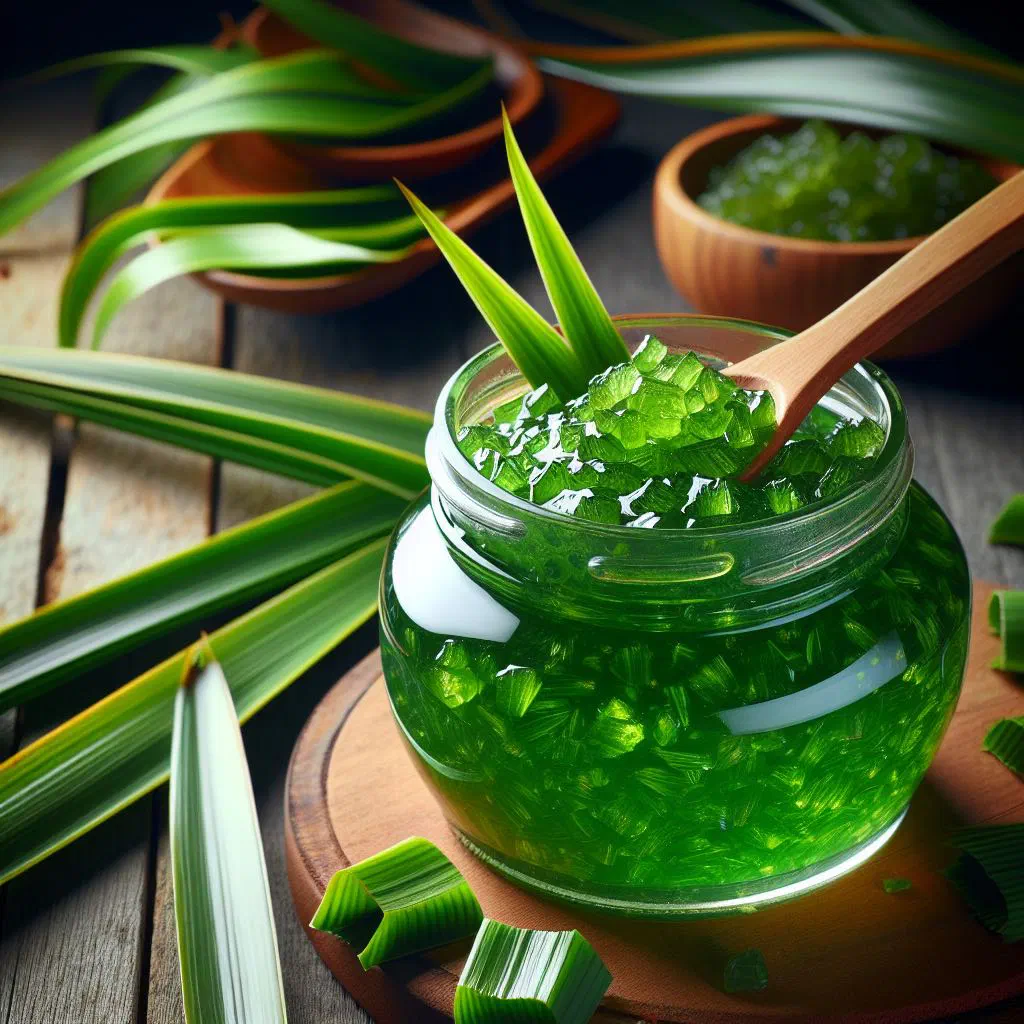
Presentation plays a decisive role in the enjoyment of pandanus jam. Serve it in an attractive glass jar on a wooden board for a traditional touch. Decorate the preserve with fresh mint leaves or slices of citrus fruit to lift it visually. An appealing arrangement on the breakfast table builds anticipation for the meal ahead and will impress your guests.
A bit of history
Pandanus jam holds deep cultural meaning in Micronesia and forms part of the region’s culinary heritage. The pandanus fruit has been used by islanders for centuries, as food and in traditional ceremonies. Preparing this jam is often bound up with festive occasions and family gatherings, and it sits comfortably alongside the staples of Micronesian cuisine. Every batch you make helps keep these fine traditions alive.
More recipe ideas
Summary: Pandanus Jam
Pandanus jam offers a singular taste of the tropics and brings the rich culture of Micronesia directly into your kitchen. With simple ingredients and an uncomplicated method, you can make a delicious preserve that is at once traditional and thoroughly modern. Use the tips above to tailor the recipe to your own preferences and enjoy it with your favourite dishes. Experience the flavours and the history of this unique national dish for yourself.