National Dish Micronesia: Pohnpei Soup (Recipe)
In this article
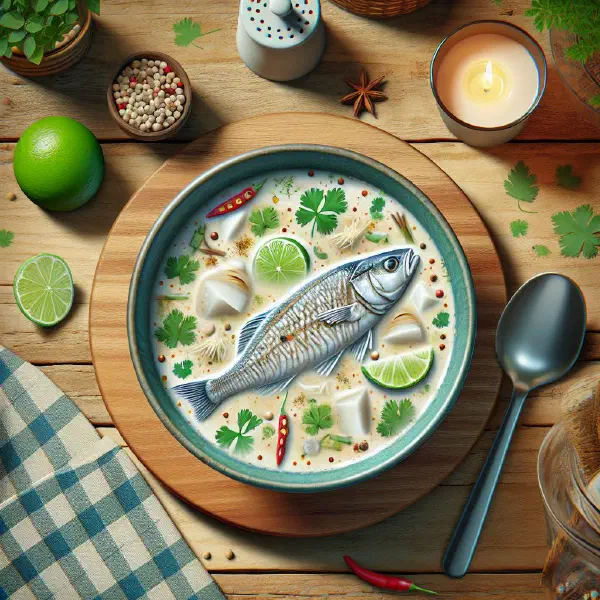
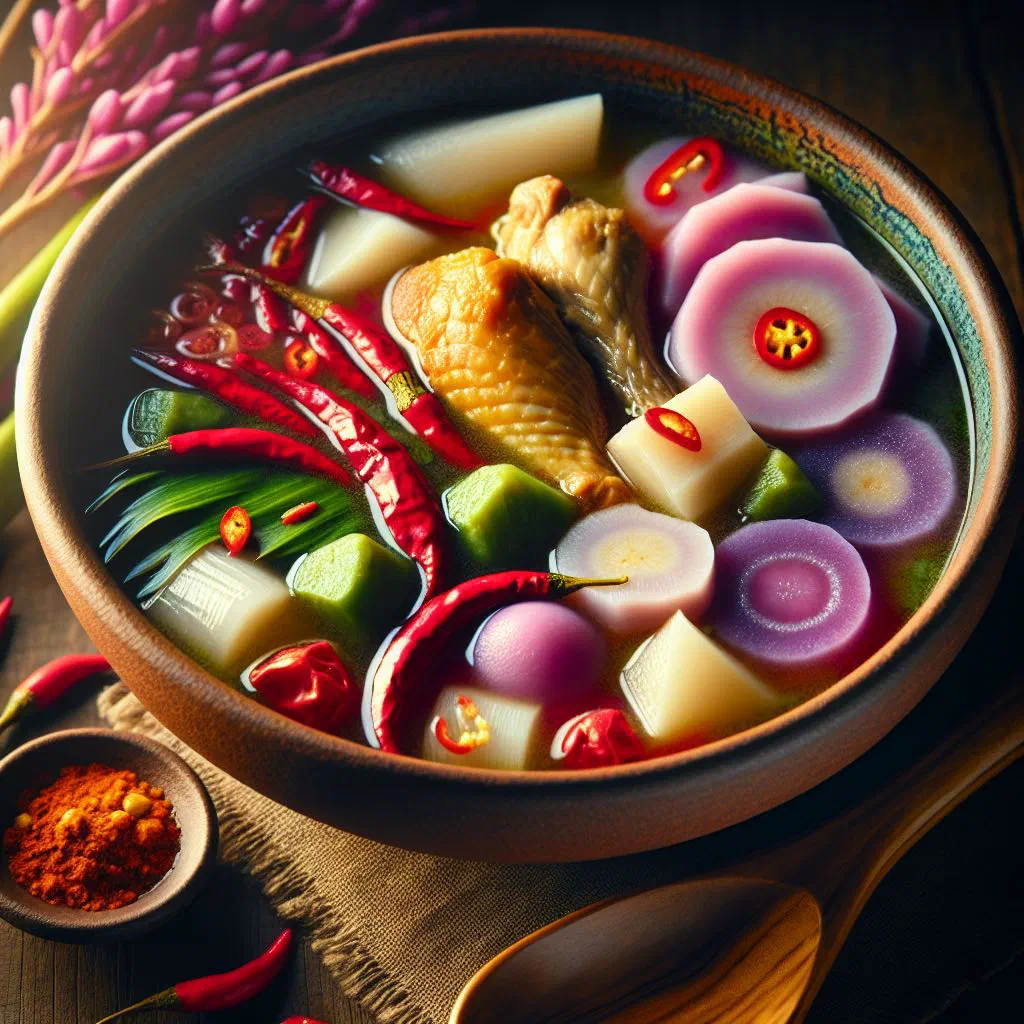
Meet Pohnpei Soup, a bright, restorative bowl from the islands of Micronesia. Fresh fish simmers gently with root vegetables, ginger and garlic in a light broth, finished with a generous squeeze of lime. It is the kind of cooking that comes straight from the reef and the garden plot, simple, nourishing and full of tropical warmth. Bring a little island hospitality to your own kitchen with this easy one-pot recipe.
About Pohnpei Soup
Pohnpei Soup is a traditional dish rooted deep in the culture of Micronesia, offering more than a memorable flavour but a genuine glimpse into the warm-hearted cooking of Pohnpei. The combination of fresh fish, garden vegetables and aromatic spices is as nourishing as it is delicious. This soup is perfect for anyone who wants to discover the exotic flavours of the islands without a long list of complicated steps.
Ingredients (serves 1–2)
- 300 g fresh fish (mahi-mahi or snapper, for example)
- 2 cups vegetables (carrots, sweet potatoes and spinach work well)
- 1 onion, diced
- 2 cloves garlic, chopped
- 1 piece of ginger, grated
- 4 cups fish or vegetable stock
- Salt and pepper to taste
- 1 lime, juiced
- Fresh herbs such as coriander or parsley
Shopping for the ingredients
To get Pohnpei soup exactly right, it pays to choose good-quality ingredients. Visit your local market or a fishmonger for genuinely fresh fish. Look for vegetables that are firm and colourful. That guarantees better flavour and a far more appealing bowl. Where possible, choose organic produce to lift both the quality and the taste another notch.
Preparing the dish
Preparation is the key to a really good Pohnpei soup. Start by cleaning the fish, rinsing it thoroughly and cutting it into bite-sized pieces. Chop the vegetables into evenly sized chunks so that everything cooks through at the same rate. The onion, garlic and ginger should be chopped with a sharp knife to release their aromas and ensure they cook evenly in the pot.
Step-by-step instructions
- Heat a little oil in a large pan and add the onion, garlic and ginger. Sauté until fragrant.
- Add the chopped vegetables and fry for around 5 minutes.
- Pour in the stock and bring the mixture to the boil.
- Once the stock is boiling, add the fish and let the soup simmer for 10–15 minutes, until the fish is cooked through.
- Season with salt, pepper and lime juice, then garnish with fresh herbs.
Gluten-free / lactose-free version
Pohnpei soup is naturally gluten-free and lactose-free, since it contains neither grain products nor dairy. To make sure your version is suitable for sensitive eaters, use a certified gluten-free stock and check that none of the ingredients have been cross-contaminated. That makes it a superb choice for anyone with food intolerances. You can enjoy the flavours without a second thought.
Tips for vegans and vegetarians
To make Pohnpei soup vegan or vegetarian, simply swap the fish for tofu or seitan. Take care that all the vegetables and stocks you use are entirely plant-based; a good broth can easily be made at home from vegetable trimmings. Layering in extra spices and fresh herbs gives you a rich, rounded flavour that brings out the character of the soup, much as it does in a hearty Taro Leaf Stew.
More tips and tricks
A few simple tricks will make your Pohnpei soup even tastier. Experiment with different vegetables to add new flavours and give the bowl more colour. Be sure to add the lime juice only after cooking, so the flavour stays bright and fresh. You can also play with chilli for a spicy edge, or scatter over toasted nuts for a little extra crunch.
Adapting the recipe to your taste
One of the great advantages of Pohnpei soup is how adaptable it is. If you have particular likes or dislikes, do not hesitate to swap ingredients out or add your own. You might adjust the choice of vegetables entirely to suit your palate, or try different varieties of fish and other protein sources such as pulses to vary the nutritional profile and make the soup truly your own.
Ingredient substitutions
When making Pohnpei soup you can exchange several ingredients depending on what is available. Instead of fresh fish, tinned fish works perfectly well when you are short of time. Plain warm water can stand in for stock, though the flavours will not be as intense. Experiment with different vegetables to bring variety to the pot, the same freedom that makes a bowl of Pumpkin Coconut Soup so easy to improvise.
Drink pairing ideas
A number of drinks complement the flavours of Pohnpei soup beautifully. A glass of refreshing coconut water is an excellent choice, lifting the tropical notes of the dish. Alternatively, serve a light white wine or a sparkling water with lemon for a crisp, palate-cleansing effect. Even a simple fruit juice makes an attractive partner, echoing the gentle sweetness of the root vegetables.
Serving and presentation ideas
Presentation can make a real difference to how the soup is enjoyed. Serve it in attractive bowls and garnish with fresh herbs or a slice of lime. A scattering of colourful vegetables looks striking and reflects the variety of flavours in the pot. Do not forget a bright table runner or place mat to set the scene and create a relaxed, welcoming atmosphere, perhaps with a plate of Fried Breadfruit alongside.
A bit of history
Pohnpei soup has its roots in the traditional cooking of Micronesia, shaped above all by local farming and fishing. The use of fresh, local ingredients reflects the sustainable way of life of the island communities. Passed down over generations, the dish has become a symbol of the culture and lifestyle of Pohnpei, making it more than a delicious option but a piece of living culinary heritage, and a fine introduction to Micronesian cuisine.
More recipe ideas
Summary: Pohnpei Soup
Pohnpei soup is far more than a simple bowl of broth; it is a culinary experience that showcases the flavours and culture of Micronesia. With fresh ingredients that are both delicious and nutritious, you have a hearty meal on the table in very little time. It is a wonderful way to experience the gastronomic richness of Pohnpei. Give the recipe a try and bring a piece of island culture into your home.