National Dish Micronesia: Sashimi (Recipe)
In this article
Discover Sashimi, the purest expression of Micronesia’s love affair with the sea. Just a few impeccably fresh ingredients, a very sharp knife and a steady hand are all it takes to turn the day’s catch into something quietly spectacular. There is no sauce to hide behind and no long cooking to soften the edges, only clean, glistening slices of fish that taste of the Pacific itself. Simple, elegant and surprisingly easy to make at home.
About Sashimi
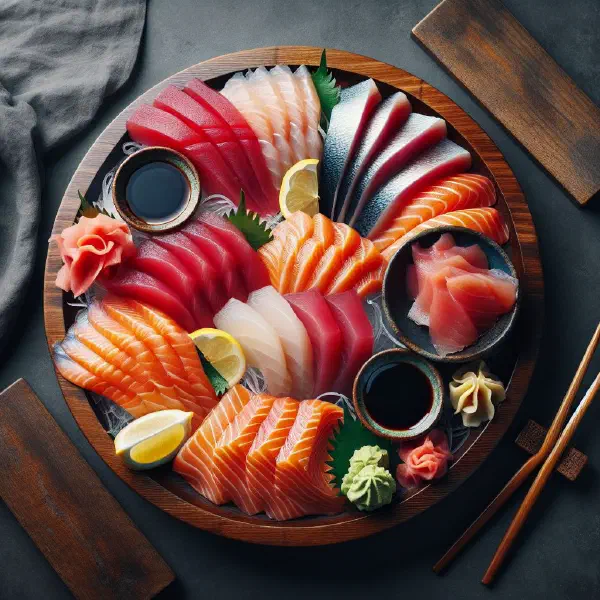
Sashimi is a traditional dish from Micronesia and one of the purest ways there is to prepare fish. What sets it apart is its simplicity and its remarkable flavour. At its heart sits very fresh fish, carefully chosen, cleaned and cut into thin slices. A deep respect for quality and freshness runs through the whole of Micronesian cooking, which is why sashimi is not merely a meal but an experience.
Ingredients (serves 1–2)
- 200 g very fresh fish (tuna or salmon, for example)
- 1 lime or lemon
- 2 tablespoons soy sauce
- 1 tablespoon sesame oil
- A few sheets of nori (seaweed)
- Fresh wasabi or pickled ginger
- Chives or coriander, to garnish
Shopping for the ingredients
To make a really good sashimi, the choice of ingredients is everything. Look for high-quality fresh fish and, ideally, buy it on the same day you plan to serve it. Visit your local fishmonger or a trusted supplier with a good turnover of seafood. Check too that the fish is suitable for eating raw. This is usually marked clearly on the packaging or confirmed by the counter staff.
Preparing the dish
Preparing sashimi is straightforward, but it rewards care and attention. Start by cleaning the fish thoroughly, making sure it is free of scales and bones. Then cut it into even, thin slices, for which a razor-sharp blade is essential. Concentrate on preserving the natural beauty of the fish as you work, presentation is very much part of the pleasure here.
Step-by-step instructions
- Take the fresh fish and remove any remaining skin and bones.
- Cut the fish into thin slices, roughly 5 mm thick.
- Squeeze the juice of a lime or lemon over the fish for extra flavour.
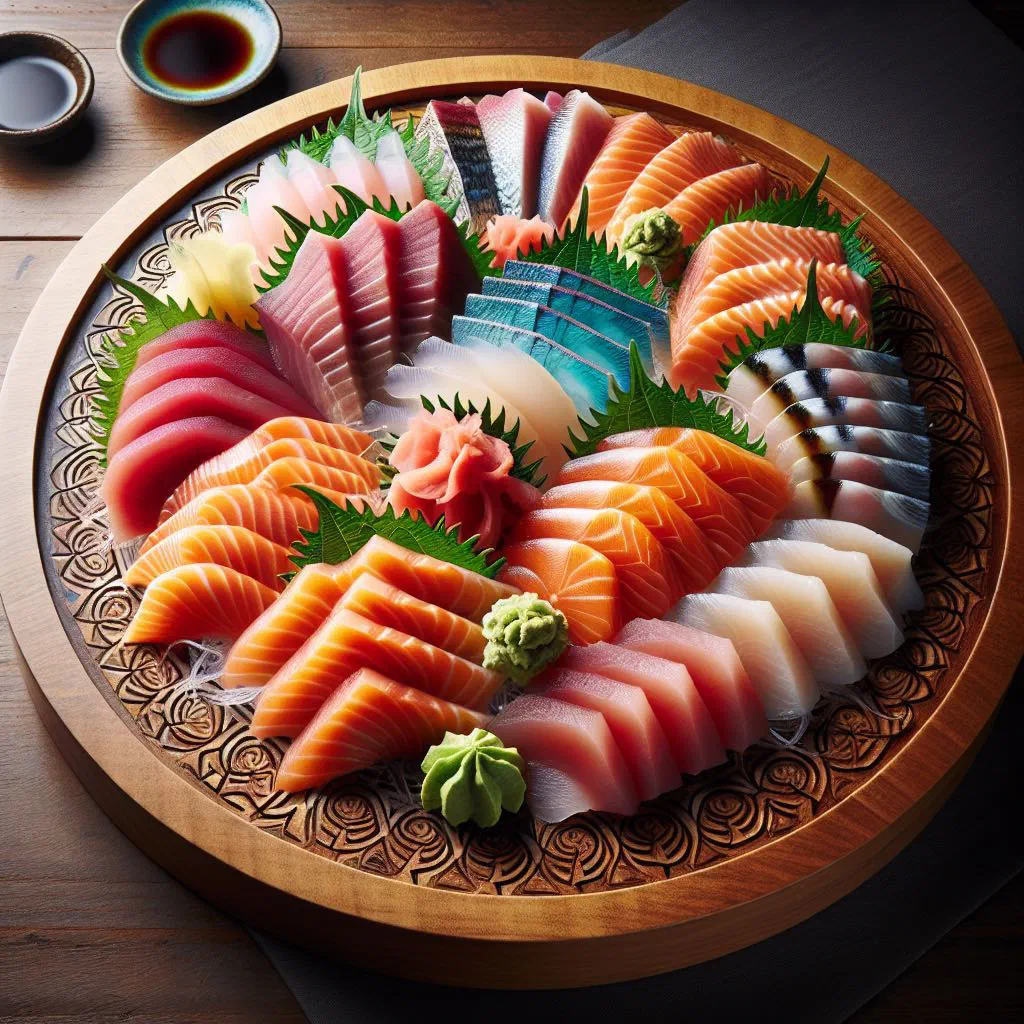
- Arrange the fish on a plate and garnish with nori, chives or coriander.
- Add soy sauce, sesame oil and wasabi or ginger alongside.
Gluten-free / lactose-free version
The good news for anyone with a gluten or lactose intolerance is that sashimi is a naturally suitable choice. To make sure the dish is completely gluten-free, use a certified gluten-free soy sauce such as tamari. Sesame oil, likewise, contains no gluten-bearing additives. Since the recipe calls for no dairy at all, it is lactose-free by default and perfect for anyone who needs to avoid those ingredients.
Tips for vegans and vegetarians
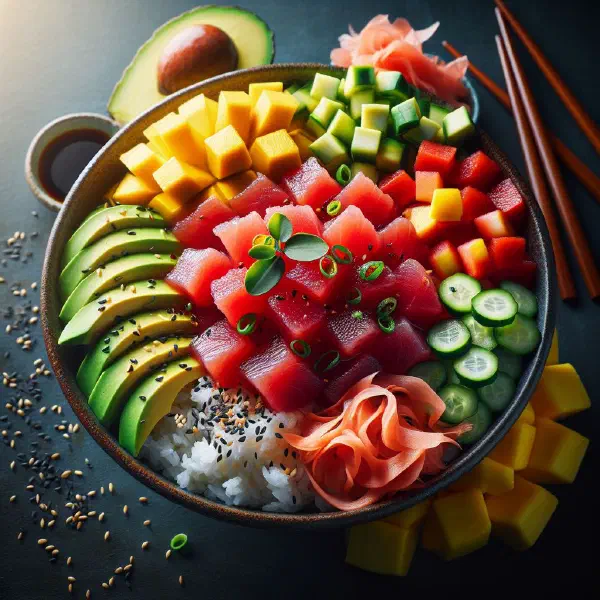
Although sashimi is traditionally built around fish, vegan alternatives work beautifully in both presentation and flavour. In place of the fish, cut vegetables such as avocado, cucumber or carrot into fine slices and serve them with a vegan soy sauce. The result is an attractive, tasty dish that echoes the aromas of the classic preparation, much like the produce that shines in Grilled Vegetables. Experiment with different seasonings to create your own plant-based twist.
More tips and tricks
To get the most out of your sashimi, a few practical points help enormously. Make sure your blade is exceptionally sharp so you achieve clean cuts rather than crushing the flesh. A well-made kitchen knife improves the quality of your slices out of all recognition. You can also play with the arrangement of the ingredients on the plate to build a more striking presentation.
Adapting the recipe to your taste
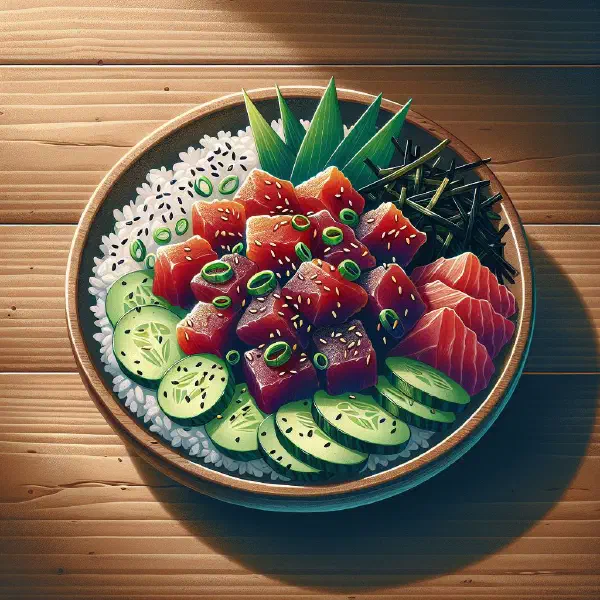
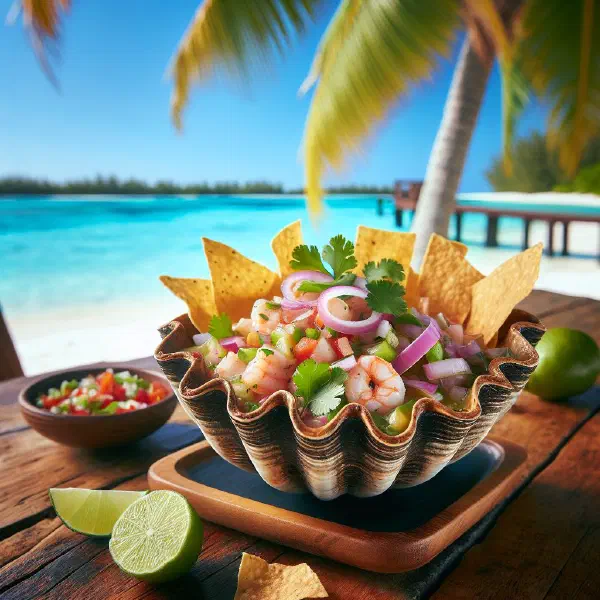
When making sashimi you can adjust the ingredients to suit yourself. If you are feeling adventurous, try different varieties such as mackerel or prawns to discover new flavours. You might also vary the accompaniments, pickled vegetables or different sauces open up quite distinct taste experiences, in the same spirit as a bright Spicy Tuna Salad. This flexibility makes sashimi a genuinely versatile dish that adapts easily to personal preference.
Ingredient substitutions
If you cannot get hold of fresh raw fish, there are more creative alternatives. Smoked salmon or cured fish can both make interesting options for your sashimi plate. While these versions do not correspond to the classic preparation, they still offer distinctive flavours of their own. Whatever you choose, always work with fresh, high-quality ingredients to guarantee the standard of the finished dish.
Drink pairing ideas
A number of drinks complement the flavours of a good sashimi. A light, refreshing white wine such as Sauvignon Blanc or Riesling harmonises wonderfully with the fish. Sake or an Asian-style lager is an equally fine choice for rounding off the experience. Keep the drinks on the lighter side so they underline rather than overwhelm the delicacy of the sashimi.
Serving and presentation ideas
The presentation of sashimi can lift the entire meal. Use an elegant plate and arrange the slices attractively so the colours and textures come to the fore. You might also add edible flowers or fresh herbs as a garnish. Aim for an overall impression that feels inviting. We eat with our eyes first, after all, and a small side of Papaya Salad adds welcome colour to the table.
A bit of history
Sashimi has a long history and is a fixture of Asian cuisine. It originated in Japan but has established itself over the years in other cultures, Micronesia among them. The cutting techniques and the reverence for fresh ingredients make sashimi a dish that is not only popular but genuinely respected. Today it appears on menus around the world, often with regional variations and a local touch, very much part of the wider Micronesian cuisine built on the reef and the open ocean.
More recipe ideas
Summary: Sashimi
In short, sashimi is a captivating dish that impresses through its simplicity as much as through the outstanding quality of its ingredients. This recipe offers a special way to enjoy the flavours of the Pacific. Let the many preparation options and the beautiful presentation inspire you, sashimi is not merely food, but a small work of art on your plate.