National Dish Micronesia: Sashimi with Soy Sauce (Recipe)
In this article
Few dishes celebrate pure freshness quite like sashimi with soy sauce. Across the islands of Micronesia, where the reefs give up tuna and mackerel of extraordinary quality, this pared-back preparation of thinly sliced raw fish has become an everyday pleasure. There is no cooking to hide behind, only a very sharp knife, a steady hand and a small dish of salty, savoury soy. Dive into the flavours of the Pacific and discover the quiet art behind this beautifully simple plate.
About Sashimi with Soy Sauce
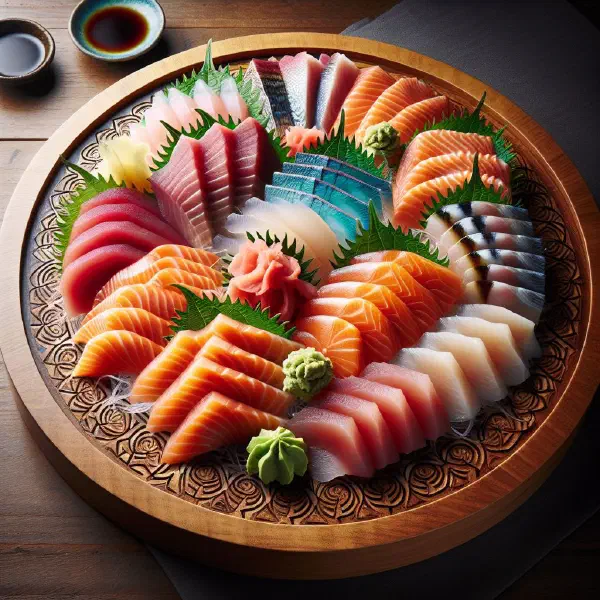
Sashimi is a classic Japanese dish built around thinly sliced, uncooked fish, and it is a perfect illustration of a cuisine that puts fresh, high-quality ingredients centre stage. In Micronesia, where the surrounding ocean teems with fish, sashimi is usually prepared from the day’s catch and served within hours of landing. The combination of the fish’s delicate texture and its surprising depth of flavour has made the dish a firm favourite among seafood lovers, whether eaten as a light meal or as the opening course of something larger.
Ingredients (serves 1–2)
- 200 g very fresh fish (tuna or mackerel, for example)
- 1 tablespoon soy sauce
- 1 teaspoon wasabi (optional)
- Fresh seaweed sheets (nori)
- A wedge of lime or lemon
- Fresh herbs to garnish (coriander works well)
Shopping for the ingredients
To make the best sashimi, the choice of ingredients is everything. Visit a trusted fishmonger to be certain of the freshness and quality of the fish. Look for a clean, sea-fresh smell and flesh that is firm and glossy rather than dull or soft. It is also worth asking specifically for sashimi-grade fish, which has been handled and stored so that it is safe to eat raw, the same standard you would want for an Island Style Ceviche or a Tuna Poke.
Preparing the dish
Careful preparation is the key to a successful plate of sashimi. Begin by rinsing the fish and removing every last bone. Then lay the fillet on a scrupulously clean board. Use a very sharp knife to cut the fish into even, thin slices of roughly one centimetre. Cutting at a slight angle across the grain is what brings out the tender texture of the fish and gives each slice its silky bite.
Step-by-step instructions
- Rinse the fish thoroughly and pat it completely dry.
- Cut the fish into thin, even slices.
- Pour the soy sauce into a small dipping bowl.
- Add wasabi if you like a little heat.
- Arrange the slices attractively on a plate.
- Garnish with seaweed sheets and fresh herbs.
- Serve with a wedge of lime or lemon.
Gluten-free / lactose-free version
For a gluten-free and lactose-free version of sashimi, simply choose a gluten-free soy sauce or tamari in place of the standard bottle, as conventional soy sauce is usually brewed with wheat. There is no dairy in the recipe to begin with, so avoiding milk products is straightforward. Just check any ready-made dipping sauces you might add. The dish stays clean and unadulterated in flavour while losing none of the pleasure that sashimi is known for.
Tips for vegans and vegetarians
Vegans and vegetarians can borrow the idea of sashimi by turning to vegetables and plant-based products instead of fish. Courgette or carrot, sliced paper-thin, works beautifully alongside a vegan soy sauce, and avocado makes a wonderfully creamy addition. Watermelon, lightly pressed, is another popular stand-in with a surprisingly similar bite. Plant-based eaters can enjoy the same textures and clean, savoury flavours the dish is built on, much as they might with a Papaya Salad.
More tips and tricks
A few small habits make a real difference to sashimi. Use a genuinely sharp knife so each slice is clean and precise rather than torn. Keep the serving temperature cool throughout, chill the plate beforehand and take the fish from the fridge only at the last moment. And treat sashimi as part of a wider spread or as a light supper in its own right, rather than something to be rushed.
Adapting the recipe to your taste
Sashimi adapts readily to personal preference. Experiment with different species of fish, or combine several kinds of seafood on one plate to build up layers of flavour. Different dips also change the character of the dish entirely: a chilli sauce, a citrus-soy ponzu or a home-made marinade will each take it somewhere new. Vary the accompaniments freely until you land on a combination that pleases you and your guests.
Ingredient substitutions
If you cannot find fish fresh enough to eat raw, a few alternatives are worth considering. Smoked fish or good preserved seafood can deliver a comparable flavour, though they call for slightly different handling. Some island cooks also use crisp vegetables such as peppers or radishes, sliced wafer-thin, in place of the fish. Where cooking is the safer option, a Grilled Reef Fish uses the same catch to very different effect. Substitutions like these keep the dish interesting whatever the market has to offer.
Drink pairing ideas
A good plate of sashimi rewards careful drink choices. Green tea is the classic partner, lifting the flavour of the fish without ever masking it. Dry white wines such as Sauvignon Blanc, or a light, clean sake, also underline the fresh notes of the dish. Each of these complements rather than competes, creating a balanced pairing that lets the fish remain the centre of attention.
Serving and presentation ideas
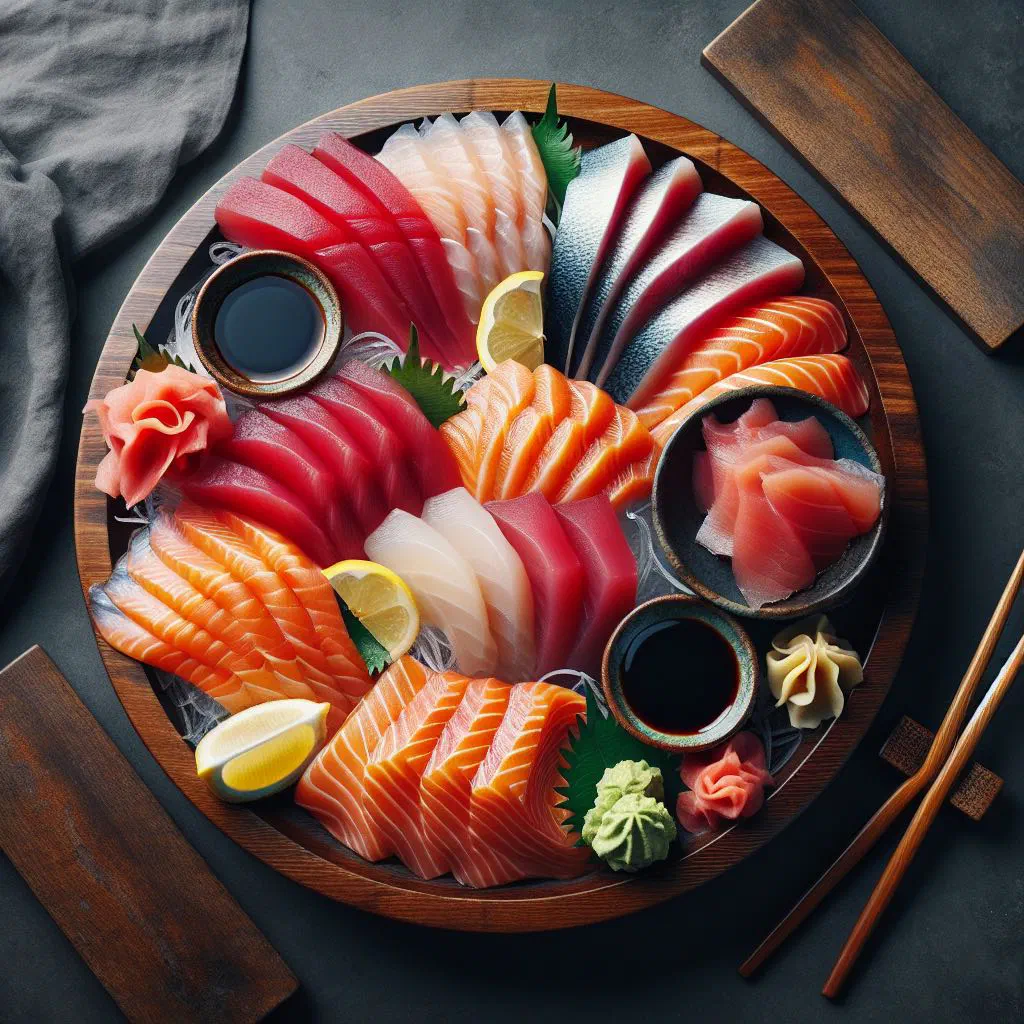
Presentation matters a great deal with sashimi, because so much of the pleasure is visual. Use plain, elegant plates and arrange the slices with intent, overlapping them in a gentle fan or laying them in neat rows. Garnishes of fresh herbs or edible flowers add a touch of luxury, and a mound of grated daikon gives height. A little experimentation with plating turns the dish into a small work of art that appeals to the eye before the palate.
A bit of history
The roots of sashimi reach back into Japanese antiquity, where it formed part of the simple, healthy diet of coastal communities. Fish was traditionally caught and served immediately, and eating it raw became a natural and much-valued practice long before refrigeration existed. Over time sashimi spread across Asia and then the wider world, becoming a hallmark of Asian gastronomy and taking firm root in the fishing communities of Micronesian cuisine. It stands not only for the enjoyment of fresh seafood but for craftsmanship and a deep respect for nature.
More recipe ideas
Summary: Sashimi with Soy Sauce
Sashimi is not merely a delicious dish but a culinary discipline that puts the freshness and quality of its ingredients squarely in the spotlight. The pairing of tender slices of fish with a well-chosen dip makes for a genuinely memorable experience for all the senses. With a handful of small adjustments the recipe bends easily in whatever direction you need, which keeps it appealing to connoisseurs and health-conscious cooks alike. Let it inspire you, and dive into the flavours of the Pacific islands.