National Dish Micronesia: Taro and Coconut Pudding (Recipe)
In this article
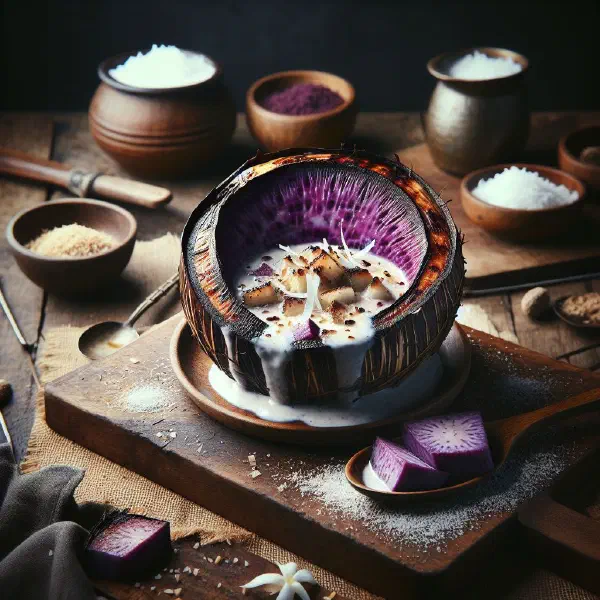
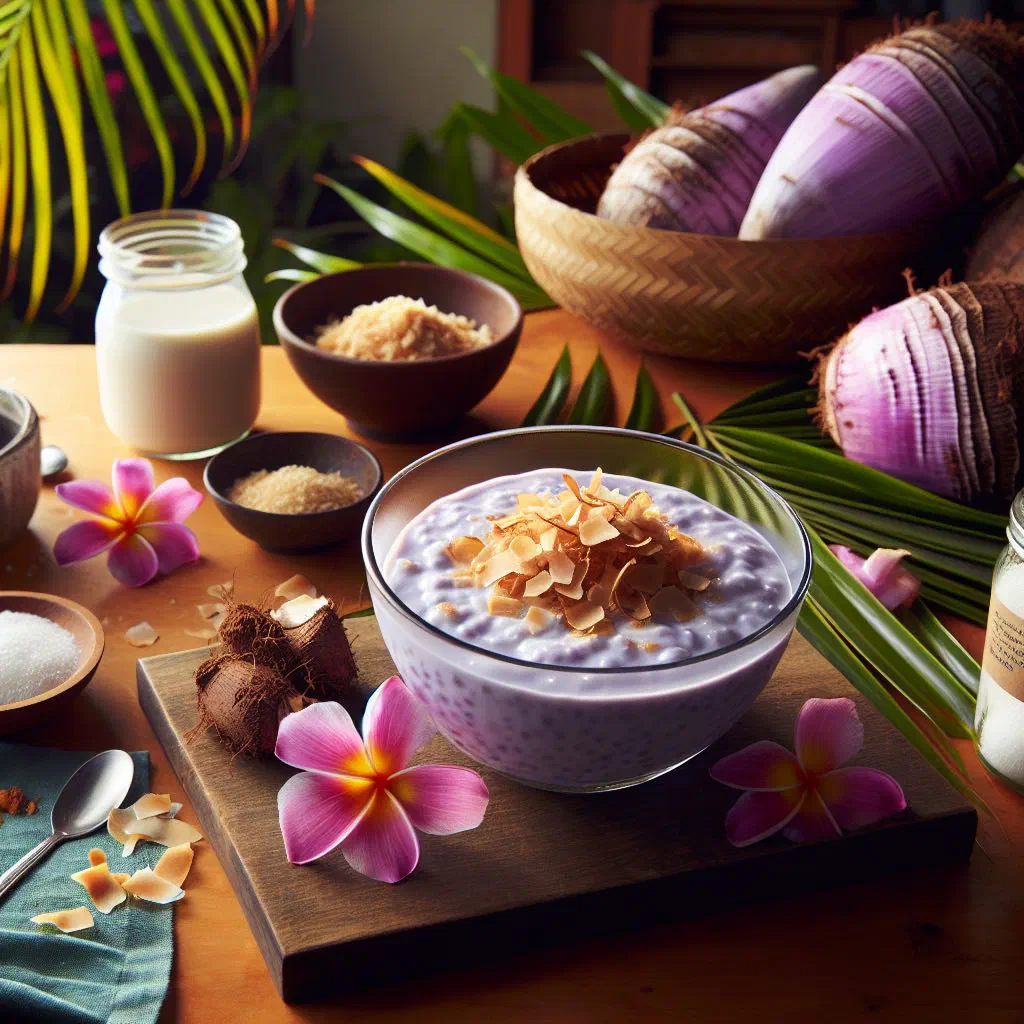
Discover Taro and Coconut Pudding, a silky island dessert that captures the tropical warmth of Micronesia in a single spoonful. Earthy taro root is simmered until tender, then blended with rich coconut milk into a gently sweet, velvety cream. It needs only a handful of ingredients, asks very little of the cook, and rewards you with flavours that taste of palm trees and warm Pacific evenings.
About Taro and Coconut Pudding
Taro and Coconut Pudding is a traditional dessert from Micronesia that captures the delicious, exotic flavours of the Pacific beautifully. Taro is a versatile and nourishing tuber, valued for its health benefits and widely used across Asian and island kitchens. Paired with the fresh taste of coconut, it becomes a softly sweet experience that feels both indulgent and satisfying. The dish is easy to make and a wonderful example of the rich culinary heritage of the islands.
Ingredients (serves 1–2)
- 200 g taro
- 200 ml coconut milk
- 2 tablespoons sugar (to taste)
- A pinch of salt
- A dash of vanilla extract
Shopping for the ingredients
To track down taro, head for a local Asian grocery or market, where the tuber is usually a regular fixture. Choose roots that look fresh and firm, with no dark patches or soft, spoiled spots. For the coconut milk you can either work from fresh coconuts or reach for the tinned version stocked by most supermarkets. Don’t forget your preferred sweetener, sugar or honey, so you can tune the dessert exactly to your taste.
Preparing the dish
To make the pudding, start by peeling the taro and cutting it into small pieces. Keep them roughly the same size so they cook evenly. Simmer the pieces in a pan of boiling water for around 15–20 minutes, until they are soft all the way through. Keep an eye on the timing so the pan doesn’t boil over. Once tender, the taro purées easily and is ready to be combined with the remaining ingredients, much the same groundwork you would do for a comforting Taro Mash.
Step-by-step instructions
- Cut the peeled taro into small pieces and simmer in boiling water until soft.
- Drain the cooked taro and tip it into a mixing bowl.
- Add the coconut milk, sugar, salt and vanilla extract to the taro.
- Blend everything thoroughly until you have a smooth, even consistency.
- Spoon the mixture into small dessert bowls and leave to cool.
- Chill in the fridge for at least an hour before serving.
Gluten-free / lactose-free version
Taro and Coconut Pudding is naturally gluten-free, which makes it an excellent choice for anyone with a gluten intolerance. The coconut milk can be used without a second thought, since it is naturally lactose-free as well. That means everyone can enjoy this dessert, whatever their dietary needs. As always, check the labels on your ingredients to make sure no hidden allergens have slipped in.
Tips for vegans and vegetarians
Vegans and vegetarians can cook this pudding exactly as written. Every ingredient is plant-based, with no animal products involved at any stage. You can also swap the sugar for natural sweeteners such as stevia or agave syrup to create an even lighter version. That small adjustment keeps the flavour lovely while letting you tailor the dessert to your own nutritional priorities, the same easy flexibility you get with Coconut Tapioca.
More tips and tricks
A few simple tricks help you get the very best from your pudding. Adjust the texture by adding or holding back a little coconut milk, depending on whether you prefer it creamier or firmer. Finish the dish with fresh fruit or a scattering of nuts for extra flavour and contrast. Serving it in prettily decorated glasses or bowls also turns the dessert into a genuine visual highlight.
Adapting the recipe to your taste
This recipe adapts readily to personal preference. Feel free to fold in other flavours such as cocoa or matcha to give the pudding a distinctive twist. You can also play with the amount of sugar to dial the sweetness up or down. Adding different pieces of fruit, mango or pineapple, for instance, lends the dessert a refreshing fruitiness and makes it that little bit more exciting.
Ingredient substitutions
If you have no coconut milk to hand, almond milk or oat milk will deliver a similar creamy effect. For sweetness, honey or agave syrup work alongside ordinary sugar, and both suit a lighter version of the dish. Adjust quantities as you go to land on the flavour you want. Substitutions like these offer flexibility and can bring in extra depth of their own.
Drink pairing ideas
Freshly pressed fruit juices make a natural partner for this pudding, echoing its tropical sweetness. Coconut water or a mild herbal infusion also suit it well, complementing the exotic flavours without overwhelming them. A glass of Pandanus Juice is another lovely island option. These combinations round out the meal and add a welcome note of refreshment.
Serving and presentation ideas
To give your pudding a little extra sparkle, garnish it with fresh mint leaves or a dusting of desiccated coconut. Serve it in colourful bowls or small glasses so the dessert looks as good as it tastes. Edible flowers make an elegant alternative decoration and add a tropical flourish. A thoughtful presentation is fun to put together and builds anticipation before the first spoonful.
A bit of history
Taro and Coconut Pudding has its roots in Micronesia, where it has long been part of celebrations and festive gatherings. Taro is treated as a staple food across many cultures and appears in countless variations throughout the Pacific and Asia. Coconuts grow abundantly in tropical regions and feature as a cornerstone ingredient in local cooking. Together they reflect the culinary heritage and the culture and way of life that define Micronesian cuisine.
More recipe ideas
- Vanilla Coconut Pudding
- Tapioca Pudding
- Pandanus Fruit Pudding
- Roasted Taro with Coconut Cream
- Yam and Coconut Bake
Summary: Taro and Coconut Pudding
Taro and Coconut Pudding is a delicious, wholesome dessert that brings the flavours of Micronesia into your own home. With a short list of easy-to-find ingredients, it shows just how simple an exotic treat can be. This recipe has broad appeal. Give it a go and treat yourself to a taste of Pacific island cooking.