National Dish Moldova: Ciorbă de Legume (Recipe)
In this article
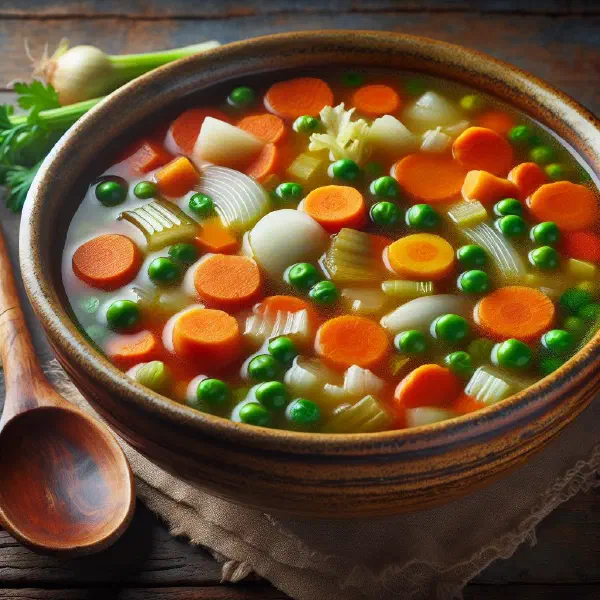
Discover Ciorbă de Legume, Moldova’s warming vegetable soup and a genuine treat for the senses. Built entirely from fresh, regional produce, it turns humble carrots, peppers and potatoes into something nourishing and deeply satisfying. A handful of aromatic herbs at the end lifts the whole pot, and the result is a bowl that comforts body and soul alike, light enough for a summer lunch, hearty enough for a cold winter evening.
About Ciorbă de Legume
Ciorbă de Legume is not merely a traditional Moldovan dish; it is a real flavour experience. The soup relies on fresh, regional ingredients that are as nutritious as they are delicious. A combination of carrots, peppers, celeriac and aromatic herbs gives it a rich and remarkably varied taste. It also makes an excellent choice for anyone eating healthily, and offers a wonderful way into the wider world of Moldovan cuisine, much like the equally rustic Zeama de Legume.
Ingredients (serves 1–2)
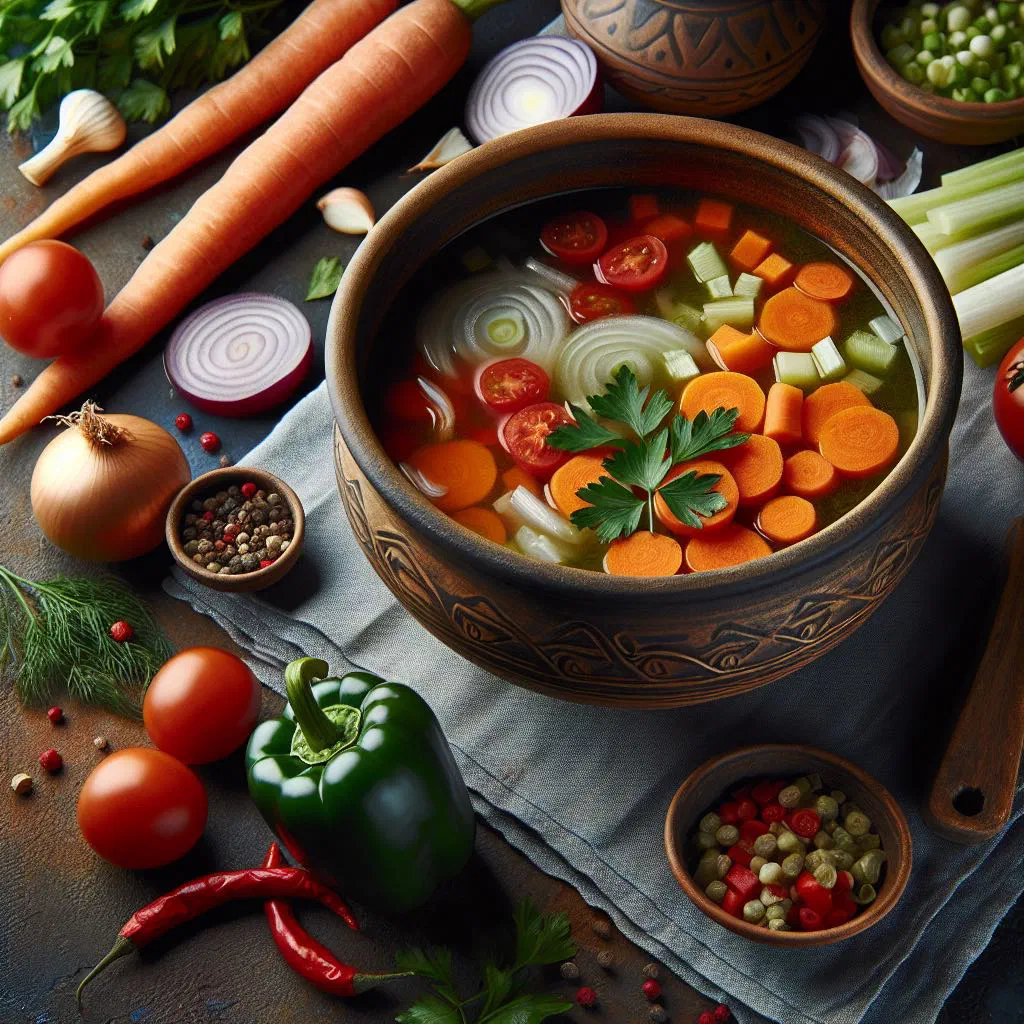
- 1 large carrot
- 1 pepper (red or yellow)
- 1 small celeriac
- 1 onion
- 2–3 potatoes
- 1 litre vegetable stock
- 2 tablespoons olive oil
- Seasonings (salt, pepper, bay leaf)
- Fresh herbs (parsley or dill)
Shopping for the ingredients
To make Ciorbă de Legume properly, choosing fresh ingredients matters more than anything else. Visit your local market or a supermarket with a well-stocked fruit and vegetable section. Look for vegetables that are firm and crisp, since that is where the best flavour comes from. The herbs should smell fragrant when you pick them up. They are what gives the finished soup its freshness.
Preparing the dish
Before you start cooking, it is worth preparing the ingredients carefully. Wash the vegetables thoroughly and peel the carrots, potatoes and onions. Cut everything into small, even dice so that each piece cooks in the same amount of time. This bit of groundwork not only shortens the cooking time, it also allows the individual flavours to come through as they should.
Step-by-step instructions
- Heat the olive oil in a large pan and add the onions. Let them fry until golden brown.
- Add the carrots, pepper, celeriac and potatoes and fry them briefly alongside.
- Pour in the vegetable stock and bring the mixture to the boil.
- Add the seasonings along with the bay leaf.
- Reduce the heat and let the soup simmer for around 30 minutes.
- Remove the bay leaf and stir in the fresh herbs.
- Serve the soup hot, with a squeeze of lemon juice if you like.
Gluten-free / lactose-free version
Ciorbă de Legume is naturally gluten-free and lactose-free, which makes it an ideal choice for anyone with dietary restrictions. Do check, though, that the vegetable stock you use is also gluten-free. If you are working with a shop-bought stock, read the ingredients list carefully. By sticking to fresh, unprocessed vegetables you can be confident the recipe remains suitable for everyone at the table.
Tips for vegans and vegetarians
Vegans and vegetarians will love this soup, since it is entirely plant-based. To deepen the flavour, add aromatic spices such as paprika or fennel. A splash of lime juice can also lift the taste in an interesting way. Serve the soup with fresh, crusty bread for a complete meal, a soft wedge of Mamaliga works beautifully on the side too.
More tips and tricks
A few small touches make Ciorbă de Legume even better. Adding roasted garlic cloves, for instance, brings an extra layer of flavour. Letting the soup simmer for longer allows the aromas to develop more intensely. If you prefer a creamier consistency, blend part of the soup and stir it back into the pan. Experimenting with different vegetables is the easiest way to give the dish your own personal signature.
Adapting the recipe to your taste
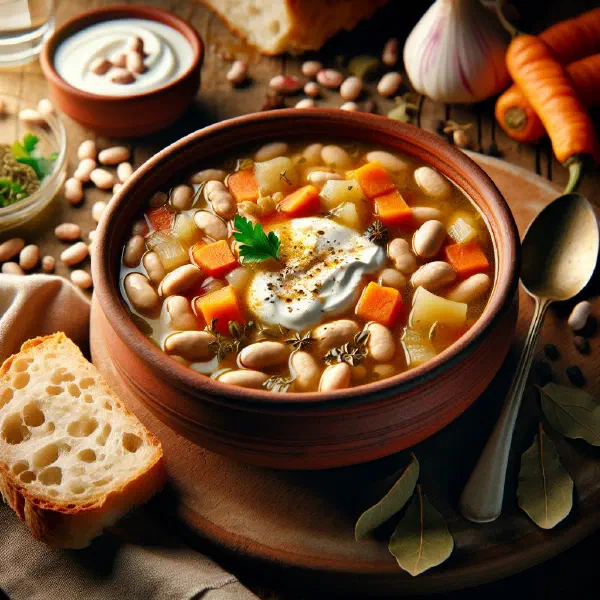
This is an extremely adaptable recipe. Use whatever is in season or vary the ingredients to suit your own palate. Courgette, pumpkin or spinach all work well and each brings a different aroma and texture. Adding pulses such as chickpeas will make the meal more substantial and raise the protein content noticeably, the same trick that gives Ciorba de Fasole its staying power.
Ingredient substitutions
If you do not have every ingredient to hand, there are plenty of alternatives. Sweet potatoes in place of ordinary potatoes lend the soup a gently sweet note. If you would rather not use olive oil, sunflower or rapeseed oil does the job just as well. For a more intense base, make your own stock instead of using a ready-made one. It improves the flavour considerably and avoids unnecessary additives.
Drink pairing ideas
To complement Ciorbă de Legume, choose drinks that support rather than compete with its flavours. Sparkling mineral water with lemon or lime is a wonderfully refreshing match for this hearty soup. If you want something with a little more character, a light white wine such as a Sauvignon Blanc works nicely. For a non-alcoholic option, consider homemade fruit juice or a herbal tea.
Serving and presentation ideas
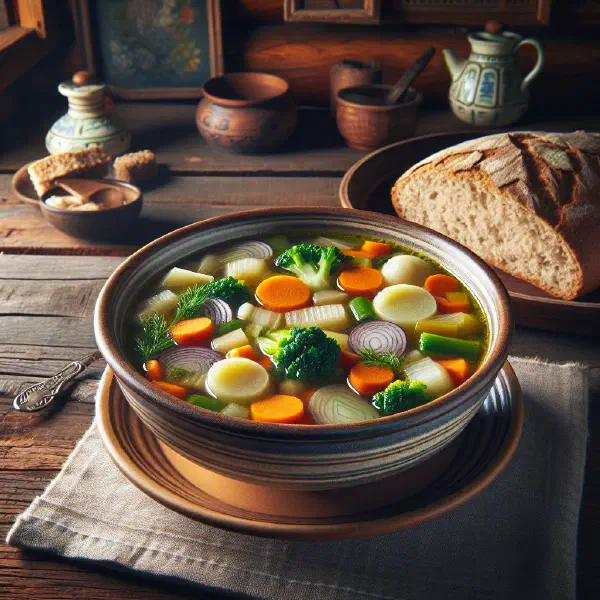
Presentation plays an important part when serving this soup. Ladle it into brightly coloured bowls so the vivid tones of the vegetables really stand out. Garnish with fresh herbs or a squeeze of lemon for an extra contrast of colour. A loaf of fresh, rustic bread in the background makes the whole spread far more inviting for your guests.
A bit of history
Ciorbă de Legume has its origins in Moldovan home cooking and reflects both the traditions and the flavours of the region. It is a fine example of how local, freshly harvested produce was used, and of how people prepared their food in earlier times. More than just a dish, the soup is a symbol of hospitality and of sharing time with family and friends. It is often cooked in company, which is precisely what makes it such a sociable recipe, as true of Sarmale as it is here.
More recipe ideas
Summary: Ciorbă de Legume
Ciorbă de Legume is a delicious, nourishing dish from the Moldovan kitchen that pleases the palate while fitting effortlessly into a healthy diet. With fresh vegetables and aromatic herbs, this hearty soup strikes a perfect balance between flavour and nutrition. It can be adjusted with ease to suit different tastes and dietary requirements. A wonderful recipe for anyone who wants to eat well and celebrate their love of Moldovan cooking.