National Dish Moldova: Colțunași (Recipe)
In this article
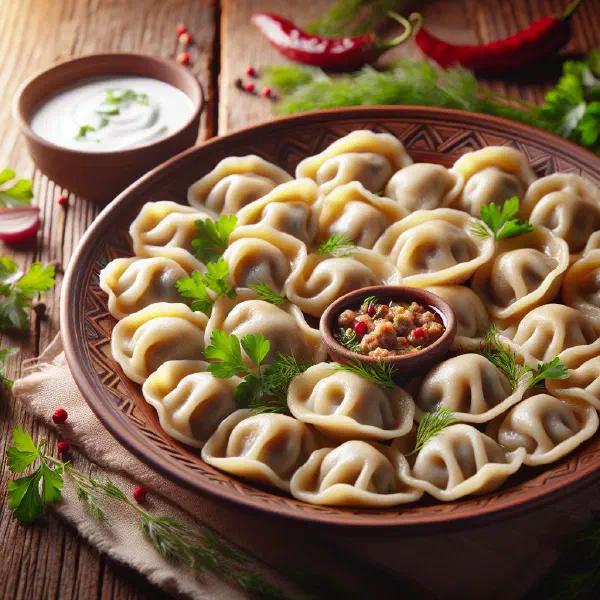
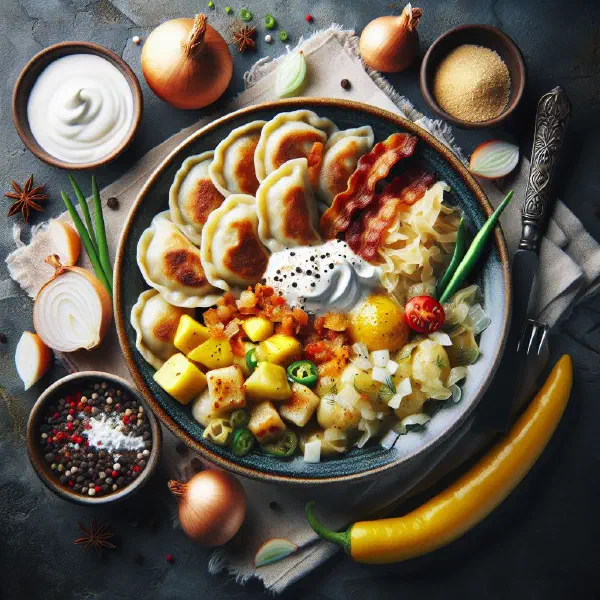
Meet Colțunași, Moldova’s much-loved filled dumplings. Tender parcels of soft dough are stuffed with everything from creamy mashed potato to tangy cheese or sharp sauerkraut, then simmered and gently pan-fried until golden. They are humble, generous and endlessly variable, the kind of food that fills a kitchen with warmth. Bring authentic Moldovan cooking straight to your own table.
About Colțunași
Colțunași are a traditional national dish of Moldova, and they are cherished well beyond the country’s borders. These soft dough parcels can be filled with an enormous range of ingredients, which gives them a remarkable variety and richness. You will most often meet versions stuffed with potatoes, cheese or sauerkraut, but the possibilities are all but limitless. This is more than a recipe: it is a genuine piece of cultural identity that captures the essence of Moldovan cooking, much like the country’s beloved Placinta.
Ingredients (serves 1–2)
- 250 g plain flour
- 1 egg
- 100 ml water
- 300 g potatoes (for the filling)
- 100 g cheese (as an alternative)
- Salt to taste
- Butter or oil for frying
Shopping for the ingredients
To make colțunași well, it pays to shop carefully. The core components, flour, eggs and water, are easy to find in any supermarket. For the filling, you can choose between fresh potatoes, a well-flavoured cheese or hearty sauerkraut. Look for the freshest produce you can get your hands on, as it makes a noticeable difference to the finished dish.
Preparing the dish
Getting ready to make colțunași is straightforward and genuinely enjoyable. Start by peeling and boiling the potatoes, then mash or purée them; this forms the base of the filling. While the potatoes cool, prepare the dough by mixing the flour, egg and water together until you have a smooth, pliable dough.
Step-by-step instructions
- Peel the potatoes, boil them in salted water and then mash them.
- Mix the flour with the egg and water to form a smooth dough.
- Roll the dough out on a floured surface and cut out circles.
- Spoon the filling onto the dough circles and seal the edges firmly.
- Cook the filled dumplings in boiling water until they rise to the surface.
- Heat butter or oil in a pan and fry the finished dumplings until lightly golden.
Gluten-free / lactose-free version
There are easy variations for anyone with a gluten or lactose intolerance. Gluten-free flour works perfectly well for the dough, while lactose-free cheese or plant-based alternatives make an excellent filling. Do check that every other ingredient is gluten-free too, so the dish stays completely safe to enjoy. That way, guests with particular dietary needs can tuck in alongside everyone else.
Tips for vegans and vegetarians
Colțunași adapt effortlessly to suit vegans and vegetarians. Simply use plant-based ingredients, vegetable stock in place of butter, and fillings such as mushrooms or spinach instead of cheese. These swaps open up new flavours while making sure everybody at the table can join in. Experimenting creatively with fillings is what makes the dish truly your own.
More tips and tricks
A few small habits make colțunași much easier to get right. Knead the dough thoroughly so it reaches the right elastic consistency. It also helps to chill the shaped dumplings briefly before cooking, which stops them splitting open in the water. If you want to try several fillings at once, make sure each one sits comfortably alongside the others in the finished spread.
Adapting the recipe to your taste
When it comes to adapting colțunași, your imagination is the only limit. Use seasonal vegetables or your own favourite ingredients for the fillings. Different spices can be brought in to shift the flavour profile, too. This lets you create a slightly different eating experience every time and tailor the dish precisely to your preferences, the same freedom you get with Varzare.
Ingredient substitutions
If certain ingredients are not to hand, there are usually good alternatives. Instead of wheat flour, for example, you can use rice flour or cornmeal to create a gluten-free version. You can also vary the filling with cottage cheese in place of ordinary cheese if you would like something lighter. Substitutions like these open up plenty of new possibilities without losing the essential character of the dish.
Drink pairing ideas
Several drinks round off a plate of colțunași nicely. A classic Moldovan wine such as a Fetească Neagră works beautifully with the savoury dumplings. Chilled sparkling mineral water makes a refreshing companion, especially on warm days. For a non-alcoholic option, a fruity herbal tea picks up the flavours of the filling rather well.
Serving and presentation ideas
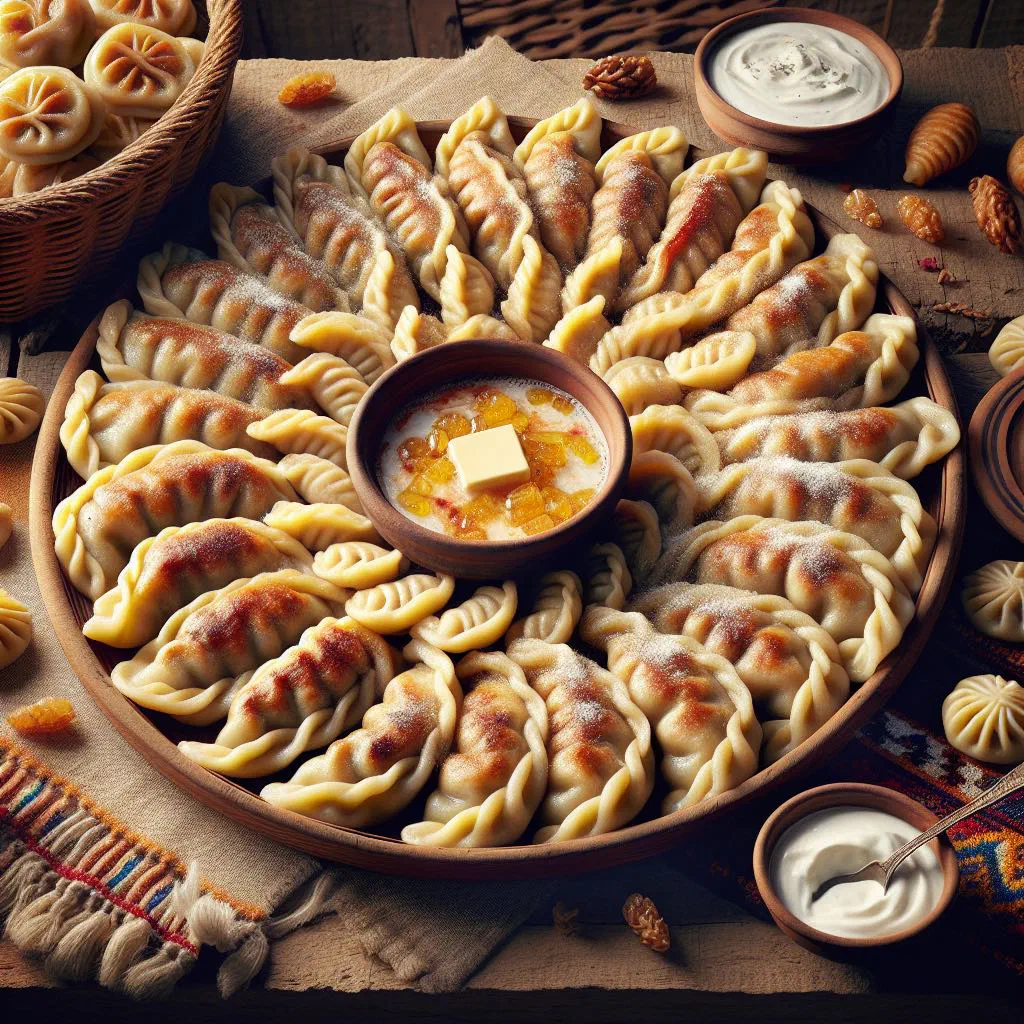
Presentation matters when serving colțunași. Arrange the dumplings on a large, generous platter and garnish them with fresh herbs or a spoonful of sour cream. A scattering of crisp fried onions on top adds both flavour and visual appeal. A thoughtful arrangement turns the dish into the centrepiece of the table, particularly served alongside Salata De Rosii.
A bit of history
The history of colțunași reaches a long way back and mirrors the culinary traditions of the region. Originally made in rural Moldova, these dumplings were a practical way of using up leftover vegetables or meat. Over the years the recipe grew into a favourite eaten not only at festivals but as everyday fare. Colțunași are therefore an authentic piece of Moldovan cuisine that connects one generation to the next.
More recipe ideas
Summary: Colțunași
Colțunași are not only a culinary speciality but a symbol of Moldovan tradition. With their many possible fillings and their straightforward preparation, they are a real pleasure for the whole family. Savoury or sweet, the variations are practically endless. Enjoy these dumplings and bring a little piece of Moldova straight to your own table.