National Dish Moldova: Cozonac cu Mac (Recipe)
In this article
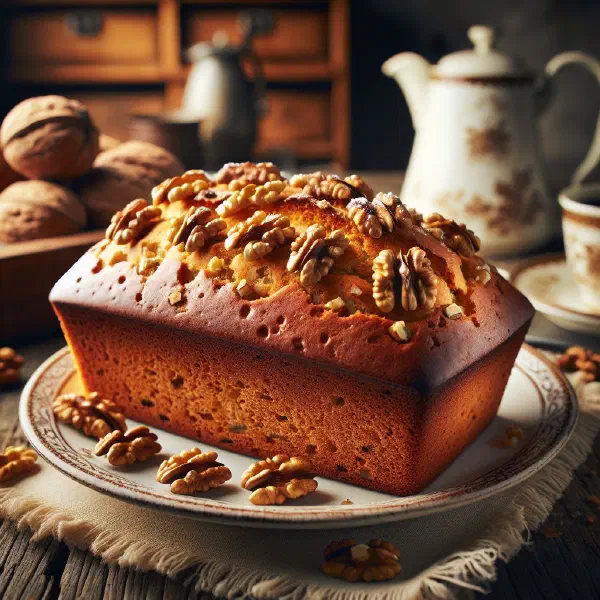
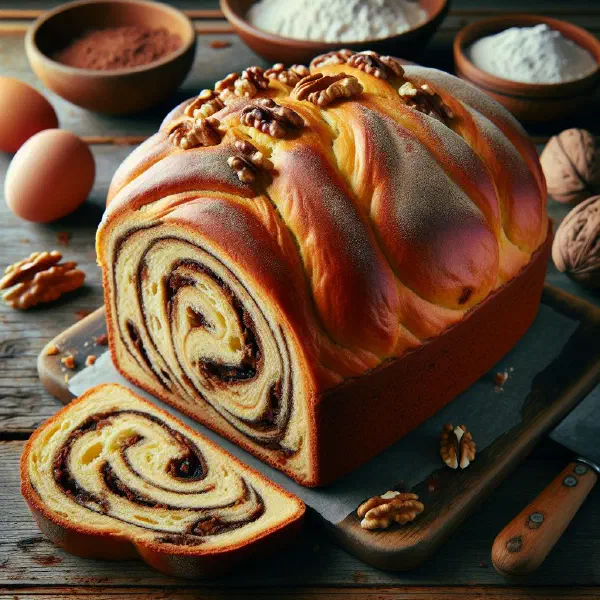
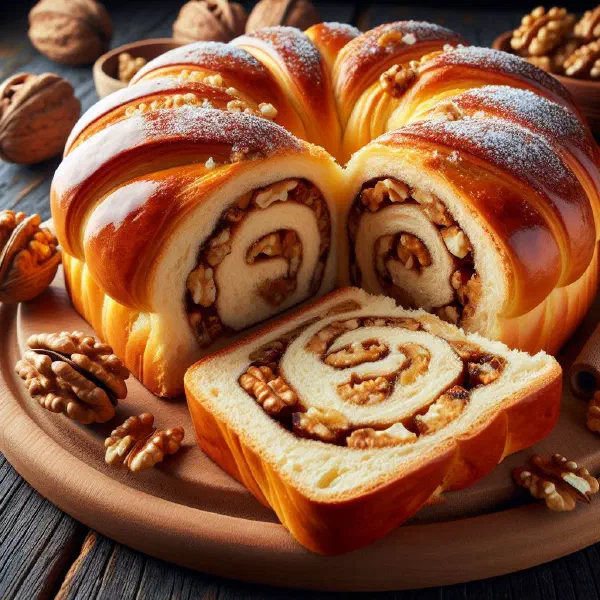
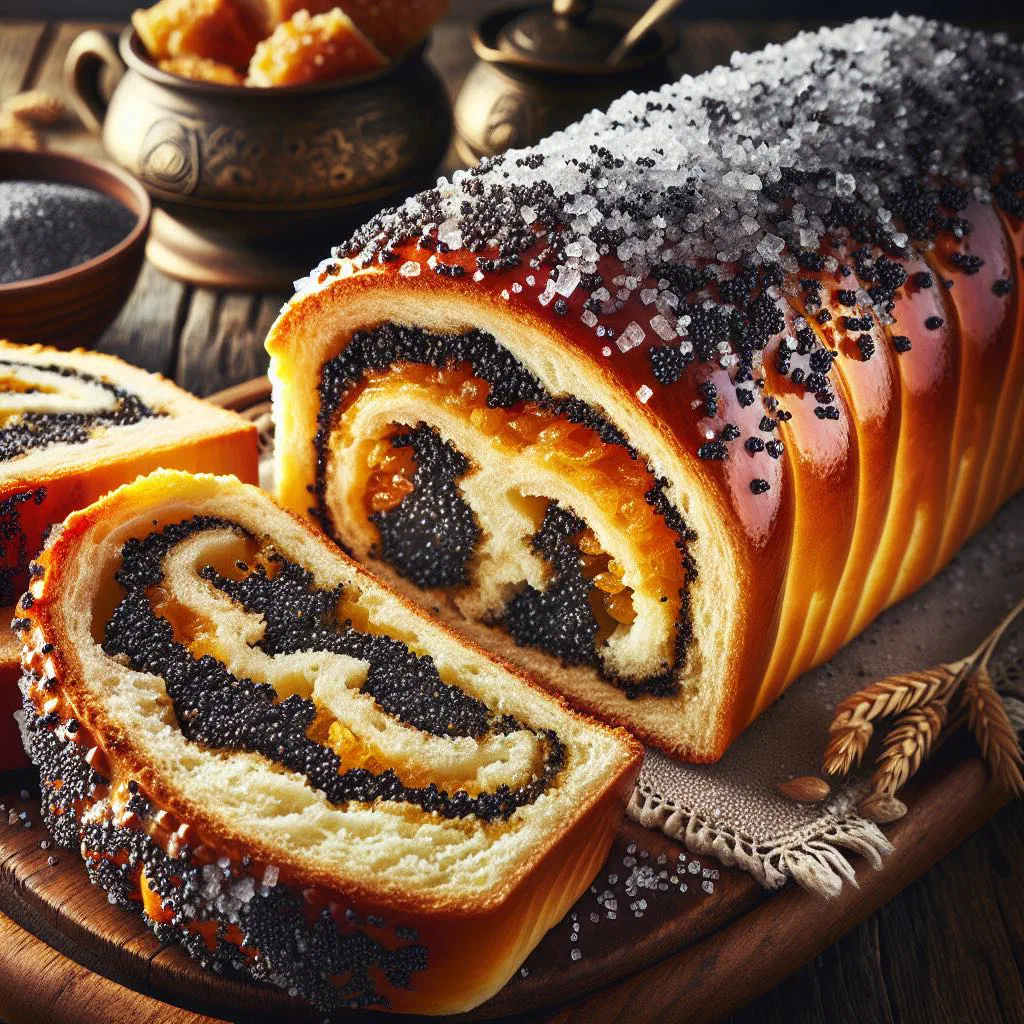
Few things say Christmas in Moldova quite like Cozonac cu Mac, a tall, golden sweet bread rolled around a dark ribbon of poppy seed filling. The dough is light and faintly fragrant, the filling deep and nutty, and every slice reveals a beautiful spiral. It is a bake that fills the house with warmth, gathers the family into the kitchen, and carries a genuine slice of Moldovan tradition to the table.
About Cozonac cu Mac
Cozonac cu Mac is a traditional Moldovan sweet bread, especially beloved at Christmas. This enriched yeast bread is prized for its airy, feathery crumb and for the unmistakable flavour of its poppy seed filling. It is often enriched further with sugar and walnuts, which give it a wonderfully rounded character. At festive gatherings, cozonac brings not only pleasure but a real piece of Moldovan culture to the table.
Ingredients (serves 1–2)
- 500 g plain wheat flour
- 250 ml milk
- 100 g sugar
- 2 eggs
- 50 g butter
- 10 g dried yeast
- 200 g ground poppy seeds
- 150 g chopped walnuts
- 1 sachet vanilla sugar
- A pinch of salt
Shopping for the ingredients
When shopping for cozonac cu mac, it pays to choose good-quality products. Flour, sugar and nuts of the best grade you can find make a real difference to the finished loaf. Pay particular attention to the yeast, fresh yeast can sometimes give better results than the dried kind. Organic milk and butter are also worth considering, as they deepen the flavour of the dough noticeably.
Preparing the dish
Before you begin baking, it is important to weigh out and lay out all the ingredients. This not only makes the work easier, it also helps you keep track of the quantities as you go. It is well worth toasting the walnuts beforehand, as this intensifies their flavour considerably. The poppy seeds should be finely ground so that they can release their aroma properly into the filling.
Step-by-step instructions
- Combine the yeast with lukewarm milk and a teaspoon of sugar in a bowl and leave for 10 minutes.
- In a large bowl, add the flour, the remaining sugar, the eggs, the butter and a pinch of salt.
- Pour in the yeast and milk mixture and knead thoroughly until you have a smooth, elastic dough.
- Cover the dough and leave it to rise in a warm place for about 1 hour, until well risen.
- Meanwhile, prepare the poppy seed filling: mix the poppy seeds, chopped walnuts, sugar and vanilla sugar together well.
- Roll the risen dough out on a floured surface and spread it evenly with the poppy seed filling.
- Take care to distribute the filling right to the edges, then roll the dough up into a log.
- Place the roll in a greased loaf tin and leave to prove for a further 30 minutes.
- Preheat the oven to 180°C and bake the cozonac for around 40–45 minutes, until deep golden brown.
Gluten-free / lactose-free version
For a gluten-free version of cozonac you can use alternative flours such as almond flour or rice flour. Make sure to use a gluten-free yeast suited to specialist baking needs. To make the loaf lactose-free, reach for plant-based milk and vegan butter, both of which sit happily alongside the remaining ingredients. Test these alternatives a little to get the consistency and flavour just right.
Tips for vegans and vegetarians
To make cozonac cu mac suitable for vegans, replace the eggs with apple sauce or ground linseed, which act as binders. The butter should likewise be swapped for a plant-based alternative to keep the flavour and texture as close to the original as possible. If you are cooking for food allergies, checking that no animal products slip in makes this traditional bake accessible to everyone. Experiment with the quantities to find your perfect vegan mix, much as you would with the dough for Gogosi.
More tips and tricks
The single most important tip for cozonac is to give the dough enough time to rise. The right temperature conditions are decisive for a good result: when the dough proves slowly, the finished loaf turns out lighter and more flavourful. A carefully balanced filling ensures that all those lovely aromas come through as they should, rather than sitting heavy in the crumb.
Adapting the recipe to your taste
The recipe for cozonac cu mac is easily adapted to your personal preferences. You might add different nuts or a handful of dried fruit, for instance, to give the loaf its own character. A hint of cinnamon or a little citrus zest also makes for a lovely variation.
Ingredient substitutions
If you do not have all the classic ingredients to hand, there are alternatives that work perfectly well. Instead of plain wheat flour you can try wholemeal flour, which lends the loaf a nuttier note. For the filling you might use soft curd cheese in place of the nuts and poppy seeds, much as in Placinta cu Branza, which gives an altogether different flavour. Experimenting with ingredients can produce genuinely interesting and delicious results.
Drink pairing ideas
A number of drinks go beautifully with a slice of cozonac cu mac. A cup of coffee or a fresh herbal or fruit tea harmonises wonderfully with this sweet bread. If you want something more festive, try mulled wine or a homemade punch. These drinks bring out the aromas of the bake and make for a memorable spread, especially alongside a jug of Compot de Fructe.
Serving and presentation ideas
The presentation of cozonac cu mac can lift the whole experience considerably. Serve the loaf on a handsome wooden board together with a few slices of fresh fruit or some smaller pastries, so the colours play off one another. A dusting of icing sugar over the top gives it that certain something and makes it look properly festive. We eat with our eyes first, and an attractive arrangement will pleasure your guests.
A bit of history
Cozonac cu mac has a long history in Moldovan Christmas culture. The bread is closely bound up with celebrations and traditions and has evolved across generations. It is a symbol of hospitality and is gladly served at family gatherings and special occasions. Baking cozonac is often a shared undertaking that draws families closer together and keeps old customs alive, in much the same way as the Easter bread Pasca does within Moldovan cuisine.
More recipe ideas
Summary: Cozonac cu Mac
Cozonac cu mac is a traditional Moldovan bake that comes into its own at Christmas. With its airy texture and its delicious filling of poppy seeds and nuts, this is a genuine treat. Whether shared in good company or simply enjoyed with a cup of coffee, this sweet yeast bread brings a real sense of joy to any table. Do give the recipe a go and pleasure your loved ones with this little piece of culinary heritage.