National Dish Moldova: Mamaliga cu Branza si Smantana (Recipe)
In this article
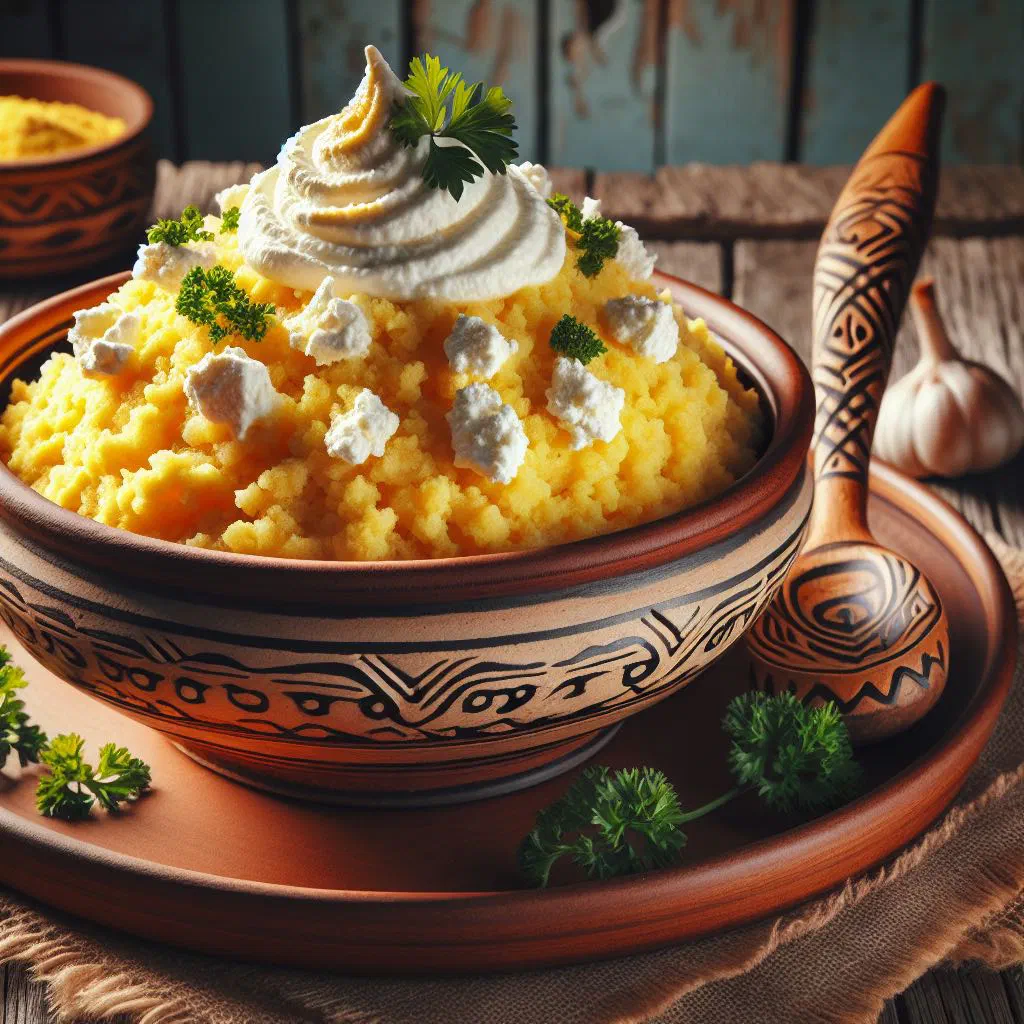
Few dishes say “Moldova” quite like Mamaliga cu Branza si Smantana. Golden cornmeal is stirred patiently into a thick, velvety porridge, then crowned with sharp crumbled cheese and a generous spoonful of cool soured cream. It is farmhouse cooking at its most honest: three humble ingredients that add up to something genuinely comforting. Serve it as a main course or as a side, and you bring the warm, rustic heart of the Moldovan countryside straight to your table.
About Mamaliga cu Branza si Smantana
Mamaliga cu Branza si Smantana is a dish that reflects the very soul of Moldovan cooking. At its base sits cornmeal, simmered slowly into a creamy, richly flavoured porridge. Combined with tangy cheese and smooth soured cream, it becomes a real treat. The dish works equally well as a main course or as an accompaniment, and it brings the hearty taste of country cooking to the table.
Ingredients (serves 1–2)
- 250 g cornmeal (fine or medium polenta)
- 1 litre water
- 100 g sheep’s cheese or feta
- 200 g soured cream
- 1 teaspoon salt
- 2 tablespoons butter (optional)
Shopping for the ingredients
Making Mamaliga cu Branza si Smantana calls for only a handful of easily sourced ingredients. Cornmeal is available in any well-stocked grocery shop or delicatessen. Sheep’s cheese and feta are stocked by most supermarkets, and fresher products almost always taste better. When buying cream, look for high quality and the highest fat content you can find, as this makes all the difference to the creaminess of the finished dish.
Preparing the dish
Getting ready to cook this dish is refreshingly simple. Begin by laying out all your ingredients so you are not interrupted once the cooking starts. It pays to crumble the cheese in advance so that it melts more quickly on the hot porridge. While the water comes up to temperature you can prepare everything else and look forward to the cooking ahead.
Step-by-step instructions
- Bring 1 litre of water to the boil in a pan and add 1 teaspoon of salt.
- Pour the cornmeal into the boiling water, stirring constantly to avoid lumps.
- Turn down the heat and let the mamaliga simmer for 15–20 minutes until thick and creamy.
- Add the butter if using and stir it through thoroughly.
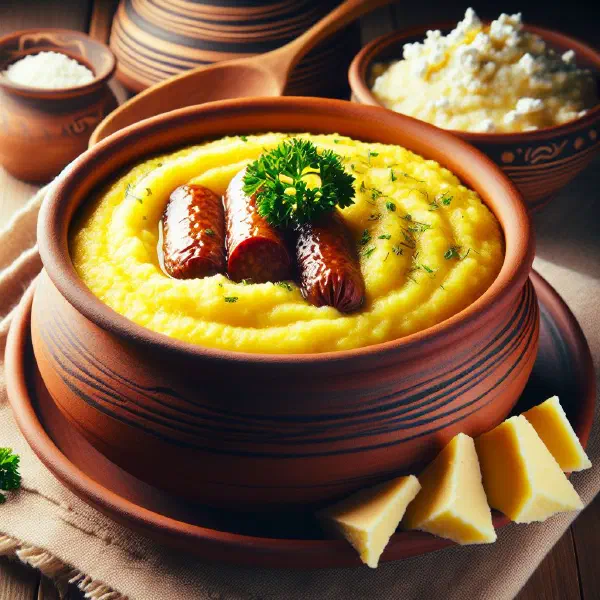
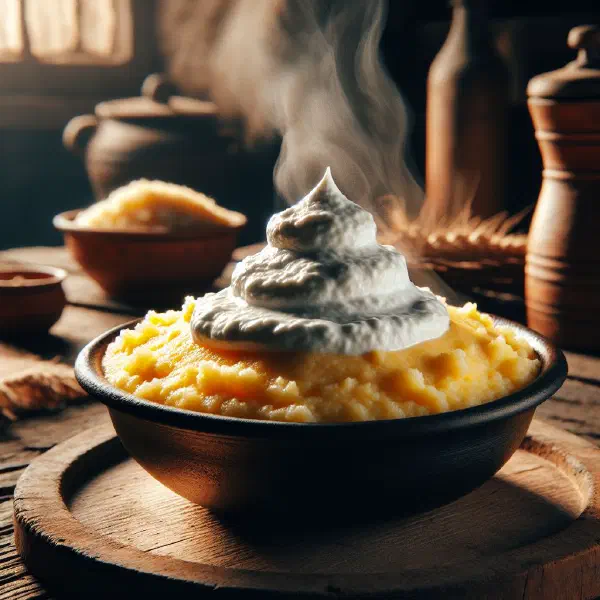
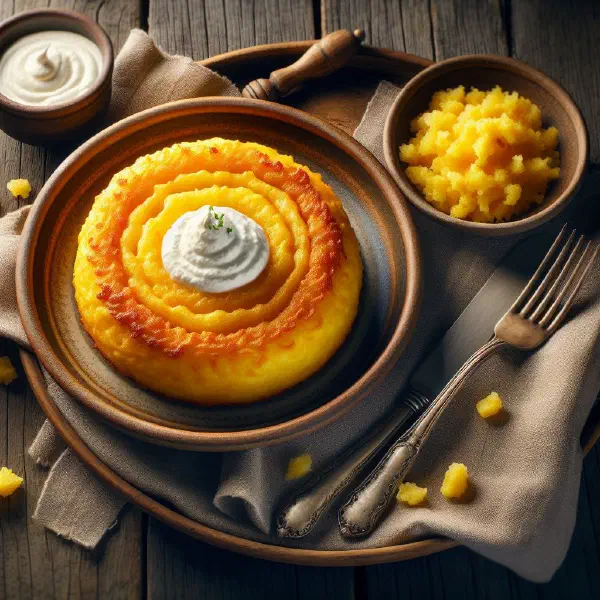
- Serve the mamaliga hot, topped with crumbled cheese and a generous spoonful of soured cream.
Gluten-free / lactose-free version
For a gluten-free version you only need to make sure your cornmeal has not come into contact with gluten-containing products; many brands are naturally free of gluten. For a lactose-free result, use lactose-free cheese and cream to keep the same silky texture. That way the dish suits anyone with a lactose intolerance, and everyone at the table can tuck in.
Tips for vegans and vegetarians
Vegans can enjoy mamaliga just as much simply by swapping out the animal products. Use a vegan cheese and a plant-based cream alternative, taking care that everything you choose is fully plant-based so the texture and flavour hold up. It is worth finishing the dish with extra herbs or some steamed vegetables to lift the nutritional value, much as you would with a hearty Tocana de Legume.
More tips and tricks
A few small habits will get the best out of your mamaliga. Cook the cornmeal slowly and evenly so the texture stays free of lumps. The quality of the ingredients matters enormously too, fresh cheese and cream simply taste better. Experiment with different cheeses until you find the balance that suits you, and never be shy about letting your own preferences guide the pan.
Adapting the recipe to your taste
Everyone has their own preferences, and mamaliga is happy to accommodate them. Feel free to adjust the recipe as you like: adding herbs or spices brings extra aroma, while toasted nuts give a welcome bit of crunch. Portion size can shift with the occasion as well, served as a side or as a main course, the choice is entirely yours.
Ingredient substitutions
If you cannot find or would rather avoid certain ingredients, there is always an alternative. Instead of sheep’s cheese, try chopped nuts or tofu for a distinctive twist. For the cream, plant-based options such as coconut or cashew cream deliver a very similar experience. The same spirit of improvisation serves you well when making Bulz, the baked cheese-stuffed cousin of this dish. Let your creativity run and build your own version.
Drink pairing ideas
Plenty of drinks go beautifully with Mamaliga cu Branza si Smantana. A dry wheat beer or a light red wine complements the savoury flavours wonderfully. For anyone avoiding alcohol, minted lemonade or a well-chosen fruit juice makes a perfect partner, a Compot de Fructe is the traditional choice. The right drink can noticeably enrich the whole meal.
Serving and presentation ideas
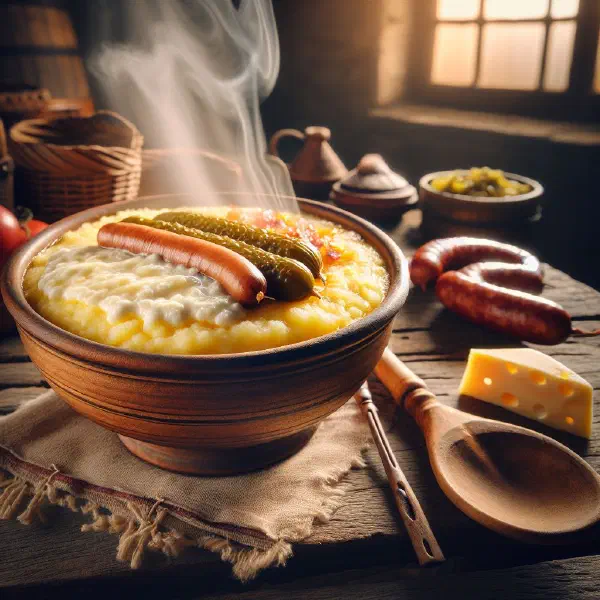
Presentation can make all the difference to a bowl of mamaliga. Serve it in an attractive dish, perhaps decorated with fresh herbs or a dab of chilli paste. Add a small bowl of extra cheese and soured cream on the side for dipping. A pot of Muraturi alongside adds colour and a sharp contrast. An appealing spread catches your guests’ interest and turns the meal into an occasion.
A bit of history
Mamaliga has a long tradition in Moldovan cooking and remains a staple in many rural households. Originally made by country families as an affordable everyday food, it grew into a symbol of Moldovan hospitality. It was often served on special occasions and is closely bound up with the nation’s culture. Its popularity reaches well beyond the borders of the country, and it has won over cooks from many other traditions who come to explore Moldovan cuisine.
More recipe ideas
Summary: Mamaliga cu Branza si Smantana
In short, Mamaliga cu Branza si Smantana is a simple yet delicious dish that pleases the palate while bringing a piece of Moldovan culture to the table. Its many possible variations and its readiness to adapt to different diets make it an ideal choice for just about anyone. It is sure to please your guests and offer them a genuine taste of Moldovan cooking.