National Dish Moldova: Plăcintă cu Brânză (Recipe)
In this article
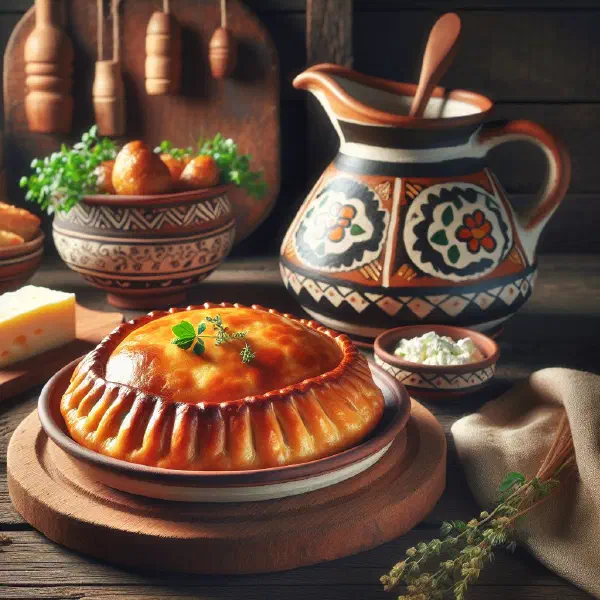
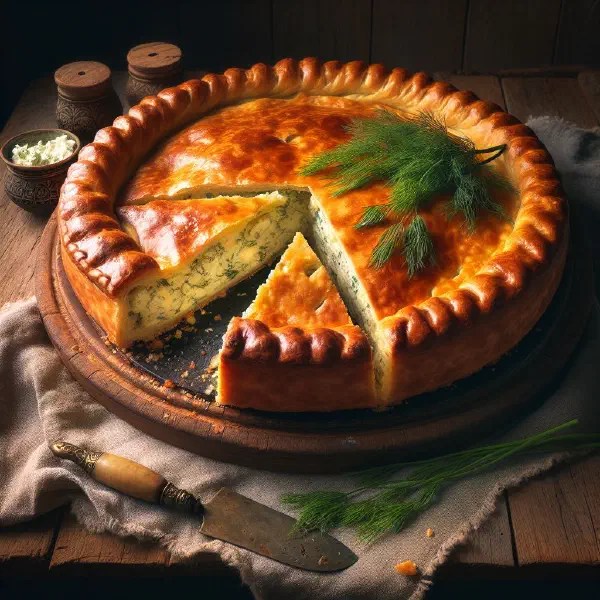
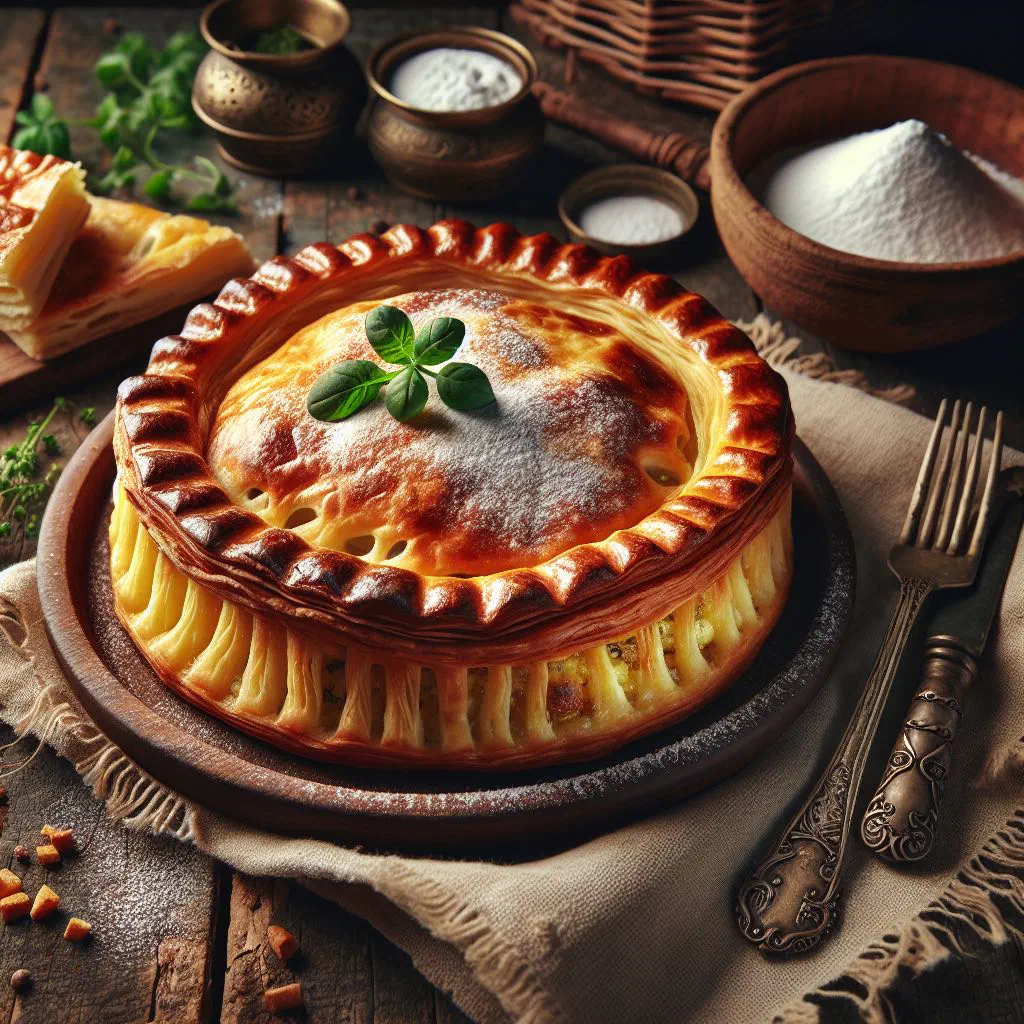
Meet Plăcintă cu brânză, the golden, cheese-filled pastry that Moldovan families have been making for generations. A simple dough of flour, water and oil is rolled thin, wrapped around a generous spoonful of salty, creamy cheese, then fried or baked until crisp. The contrast between the shattering crust and the soft, savoury filling is what makes these little parcels so hard to stop at just one, and the recipe is far easier than it looks.
About Plăcintă cu Brânză
Plăcintă cu brânză is a traditional dish from Moldova, well known in home kitchens and far beyond the country’s borders. These wonderfully filled pastries are ideal as a snack or as part of a larger main course. The dough is usually made from nothing more than flour, water and a little oil, while the filling is classically built around creamy cheese and a handful of supporting ingredients. The combination of a crisp outer layer and a soft, flavourful centre makes this an indispensable part of the Moldovan table.
Ingredients (serves 1–2)
- 250 g plain flour
- 1 tsp salt
- 1 tsp oil
- 125 ml water
- 200 g feta or another creamy cheese
- 1 egg (optional, for the filling)
- Pepper to taste
Shopping for the ingredients
The ingredients for plăcintă cu brânză are simple and available in any grocery shop. Do take care to choose a good-quality cheese, as it shapes the flavour of the finished pastry more than anything else. Feta is especially popular thanks to its salty, creamy character, which pairs beautifully with the plain dough. If you have a local dairy nearby, it is well worth asking there for something fresh.
Preparing the dish
Getting plăcintă cu brânză ready takes only a few steps. First make the dough, mixing the ingredients thoroughly and kneading until smooth. While the dough rests, prepare the filling: crumble the cheese and season it with pepper, adding an egg if you like a firmer texture. These straightforward steps are all it takes to bring the authentic aroma and enjoyment of Moldovan cooking into your kitchen.
Step-by-step instructions
- Combine the flour, salt and oil in a bowl.
- Add the water gradually and knead everything into a smooth dough.
- Leave the dough to rest for about 30 minutes so it becomes elastic.
- Meanwhile, crumble the cheese and stir in an egg if using.
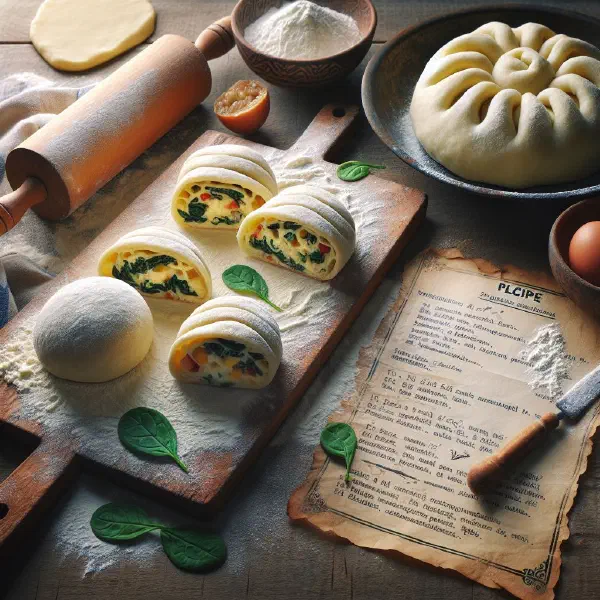
- Roll the dough out on a floured surface and cut out small circles.
- Place a spoonful of filling in the centre of each circle.
- Press the edges together firmly, then fry the parcels in a pan or bake them in the oven.
- Serve the finished plăcinte warm and enjoy.
Gluten-free / lactose-free version
For a gluten-free version of plăcintă cu brânză, use one of the gluten-free flour blends now sold in most supermarkets, and check that the filling ingredients are gluten-free too. For a lactose-free variant, reach for lactose-free cheese or a plant-based alternative. The dish adapts easily to a range of dietary needs while staying just as delicious.
Tips for vegans and vegetarians
If you would like a vegan version, replace the cheese with a tofu filling seasoned generously with herbs and spices. Tofu offers an excellent texture and takes on flavour readily, so you can tune it exactly to your taste. Vegetarians have plenty of characterful cheese alternatives to choose from, all of which work well here. Experiment with different herbs and spices to give the filling more depth, much the same approach that lifts a plate of Mămăligă cu Brânză.
More tips and tricks
To get the best result from your plăcintă cu brânză, knead the dough thoroughly. A rested dough is easier to roll out and gives a crisper finish. When filling the parcels, resist the urge to overfill them, or the cheese will leak out during cooking. Whether frying or baking, keep the temperature moderate and steady to achieve the perfect texture.
Adapting the recipe to your taste
Plăcintă cu brânză is remarkably adaptable. You can add vegetables such as spinach or onion to the filling for extra flavour and nutrition. The recipe also works in both savoury and sweet directions, fruit or a sweetened cheese filling turns it into a dessert, much like Plăcintă cu Mere.
Ingredient substitutions
If you are missing an ingredient, there is usually a good alternative to hand. Some cooks prefer spelt flour for the dough, which brings a nuttier note. The cheese, too, can be varied between different local varieties or even plant-based options to broaden the flavour. Be creative and do not hesitate to try new combinations, the same spirit works well when filling a batch of Plăcinte cu Cartofi.
Drink pairing ideas
Several drinks accompany plăcintă cu brânză beautifully. A refreshing yoghurt drink is the classic choice and supports the savoury flavours perfectly. A light white wine or simple sparkling water also works well. For a non-alcoholic option, herbal teas make a harmonious partner, and a fruit compote such as Compot de Fructe rounds off the meal nicely.
Serving and presentation ideas
Presentation can lift the whole experience considerably. Serve the pastries on an attractive plate, garnished with fresh herbs or an aromatic sauce. You can also pair the plăcinte with a side such as a crisp salad or a bowl of soured cream to bring colour and variety to the table. A little care with the arrangement is usually all it takes to make guests reach for one immediately.
A bit of history
Plăcintă cu brânză has a long tradition in Moldova and is closely bound up with the country’s rural culture. These savoury pastries were traditionally made by mothers and grandmothers, and they still appear at family gatherings and festive occasions. The dish reflects a close connection to the land and a reliance on down-to-earth, regional ingredients. What grew out of that is a culinary heritage still treasured today, one of the clearest expressions of Moldovan cuisine and the roots it comes from.
More recipe ideas
Summary: Plăcintă cu Brânză
Plăcintă cu brânză is a traditional and thoroughly delicious dish that has won over countless admirers of Moldovan cooking. With a short ingredient list and an uncomplicated method, it brings the authentic flavours of Moldova straight to the table. The sheer range of possible fillings and techniques means everyone can add a personal touch. These pastries always deserve attention.