National Dish Moldova: Zgârciuri cu Mămăligă (Recipe)
In this article
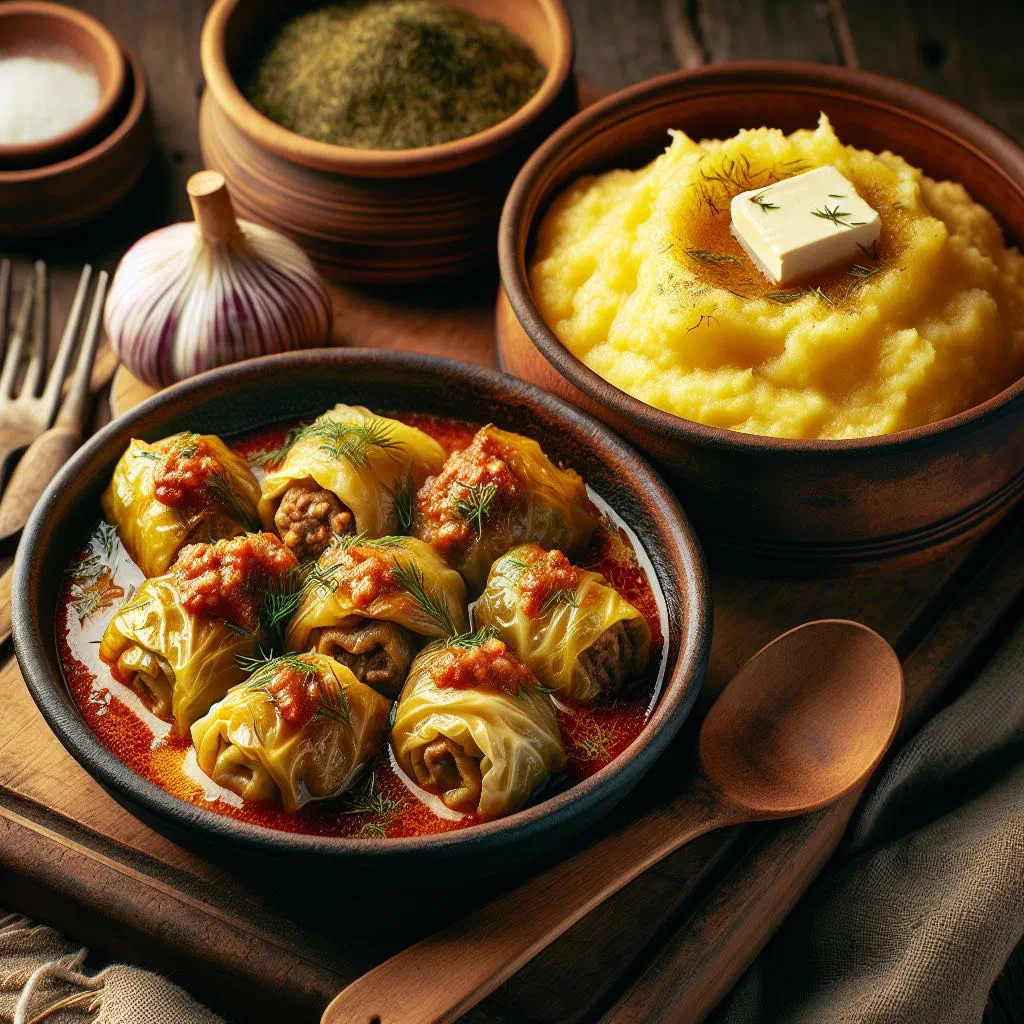
Discover Zgârciuri cu mămăligă, one of Moldova’s most comforting country classics. Crisp, golden pork belly meets soft, creamy mămăligă, the cornmeal porridge that sits at the heart of the national table. It is rustic, generous food, the kind that appears at family gatherings and village feasts, and it needs little more than a hot pan, a wooden spoon and a bit of patience.
About Zgârciuri cu Mămăligă
The traditional Moldovan dish Zgârciuri cu mămăligă brings together the flavours of crisply fried pork belly and smooth, creamy mămăligă. It is more than a main course; it is a symbol of a food culture rich in aroma and tradition. Mămăligă, a kind of cornmeal porridge, is made slowly and with care, and its gentle sweetness balances the savoury bite of the meat perfectly. The dish often appears at festive occasions and shared meals, embodying a strong sense of hospitality and good company.
Ingredients (serves 1–2)
- 300 g pork belly
- 200 g cornmeal (maize flour)
- 1 litre water
- Salt to taste
- Pepper to taste
- 3–4 garlic cloves (optional)
- Fresh parsley, to garnish
Shopping for the ingredients
The ingredients for Zgârciuri cu mămăligă are available in any well-stocked supermarket. The pork belly should be fresh and have a good balance of fat and meat, which is what keeps the dish juicy. When buying the cornmeal, pay attention to quality, fresh flour gives the mămăligă a far better texture. Herbs and seasonings can be adjusted to taste, and fresh garlic will noticeably intensify the flavour.
Preparing the dish
Before you start cooking, it pays to have everything within reach. Begin by cutting the pork belly into small pieces so it cooks evenly in the pan. Put the water for the mămăligă on to heat while you season or marinate the meat. Your choice of seasoning has a real effect on the finished dish, though salt and pepper remain indispensable.
Step-by-step instructions
- Cut the pork belly into small cubes and season with salt and pepper.
- Fry the cubes in a pan over medium heat until golden brown and crisp.
- While the meat cooks, bring the water to the boil in a separate pan.
- Add the cornmeal slowly, stirring vigorously to prevent lumps forming.
- Cook the mămăligă for around 15–20 minutes, until thick and creamy.
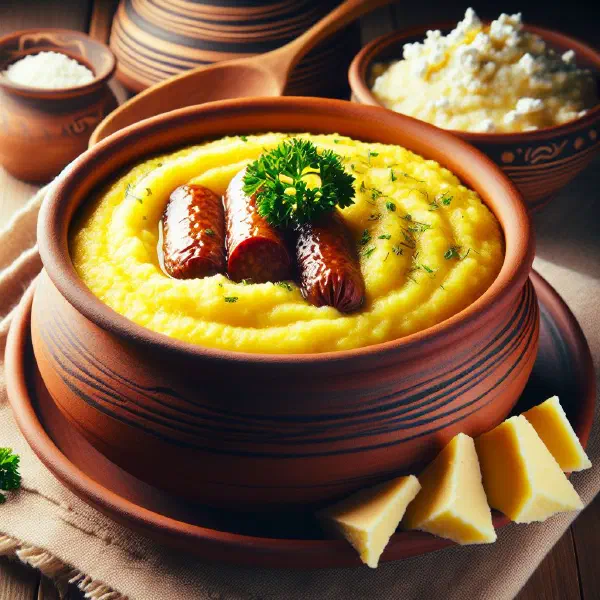
- Spoon the mămăligă onto a plate and arrange the crisp pork belly cubes on top.
- Garnish with fresh parsley and, if you like, a little garlic.
Gluten-free / lactose-free version
Zgârciuri cu mămăligă is naturally gluten-free, since mămăligă is made from cornmeal alone. Do check that your cornmeal is certified gluten-free, particularly if it has been milled in a facility that also handles wheat. Making it lactose-free is equally straightforward, as the dish needs no dairy at all. That way the original hearty, rustic character of Moldovan cooking stays entirely intact, much as it does in a simple bowl of Mamaliga.
Tips for vegans and vegetarians
Although Zgârciuri cu mămăligă is built around meat, a vegan version is easy to put together. Replace the pork belly with roasted mushrooms or tofu to achieve a similar texture and bite. Both alternatives bring a savoury depth of their own and sit happily alongside the creamy mămăligă. Be generous with the seasoning so the dish keeps the robust flavour it needs.
More tips and tricks
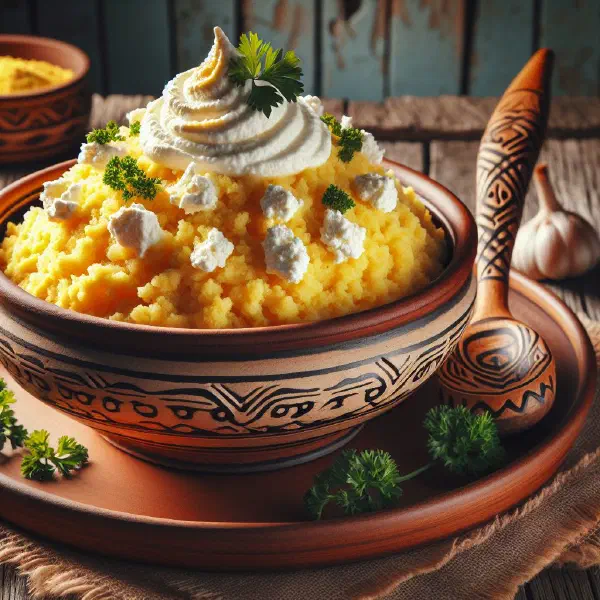
For the best mămăligă texture, stir the cornmeal into the boiling water slowly and steadily. Use a whisk or a wooden spoon to break up any lumps and work towards an even, silky consistency. A generous knob of butter or a splash of olive oil stirred in at the end makes it noticeably creamier. You can also experiment with extra spices such as paprika or caraway to give the dish your own signature.
Adapting the recipe to your taste
The recipe adapts readily to personal preference. Adding vegetables, for instance, makes the plate lighter and more colourful. You could also use a different meat, chicken or beef both work, or switch to plant proteins entirely, in the spirit of a hearty Tocana De Legume. Adjust the seasoning to your own palate and make it as mild or as punchy as you like.
Ingredient substitutions
There are several good alternatives to the classic ingredients here. Instead of pork belly you can use smoked tofu or seitan to keep the dish plant-based. The cornmeal can be swapped for polenta or another gluten-free flour if you prefer. And the cooking oil can be replaced with extra virgin olive oil or even coconut oil, which lends a distinctive note of its own.
Drink pairing ideas
Moldovan wine or a light beer pairs beautifully with Zgârciuri cu mămăligă. Full-bodied reds stand up well to the rich pork belly, while a cold lager throws the mild sweetness of the mămăligă into relief. For an alcohol-free option, serve a fruity lemonade or sparkling water with a squeeze of lemon to balance the flavours. It is worth trying a few combinations to find the one you like best.
Serving and presentation ideas
A few simple touches lift the presentation considerably. Use colourful plates to show the dish off and garnish with fresh parsley or other herbs. You can also shape the mămăligă into small mounds or serve it on a wooden board for a rustic feel. A table dressed simply, with pickles such as Muraturi on the side, reinforces the traditional, communal spirit of the meal.
A bit of history
The roots of Zgârciuri cu mămăligă run deep into Moldovan history. The pairing of mămăligă and meat reflects the tastes and traditions of farmers and villagers, who found inventive ways to turn simple ingredients into a substantial meal. Preparation varies from region to region, and every family keeps its own interpretation and its own small secrets. That heritage makes the dish not only a culinary treasure but a genuine expression of Moldovan cuisine and hospitality.
More recipe ideas
Summary: Zgârciuri cu Mămăligă
In short, Zgârciuri cu mămăligă is a delicious, hearty dish that comes into its own at sociable occasions. The combination of crisp pork belly and creamy mămăligă makes for a memorable mouthful. With the right ingredients, a few creative substitutions and some thought given to presentation, it becomes the highlight of any table. Let the flavours of Moldova work their magic and enjoy this piece of culinary tradition.