National Dish Monaco: Aioli (Recipe)
In this article
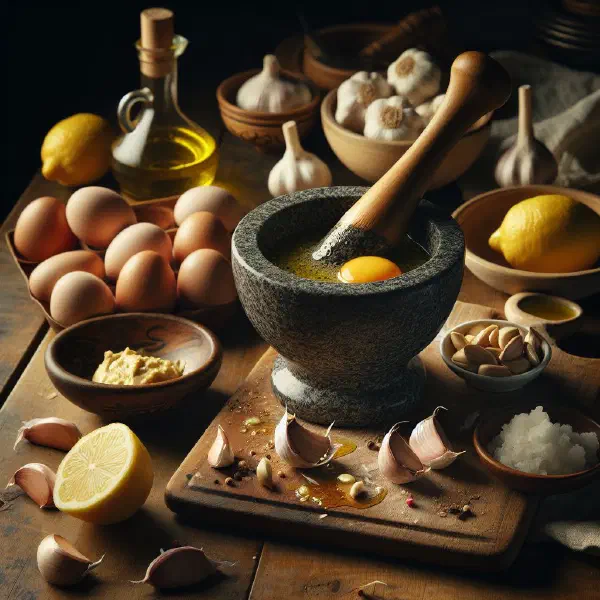
Meet Aioli, the golden garlic mayonnaise that sits at the very heart of Monaco’s Mediterranean table. Thick, glossy and unapologetically pungent, it turns a plate of raw vegetables into a feast and lifts grilled fish or lamb to another level entirely. There are only a handful of ingredients here, garlic, egg yolk, good oil, lemon, yet the result is one of the most memorable things you can make in ten minutes. Bring a little Riviera sunshine into your own kitchen.
About Aioli
Aioli is a traditional Monegasque speciality with deep roots in Mediterranean cooking. This aromatic garlic mayonnaise has an intense flavour and is remarkably versatile. Aioli enriches everything it touches. In Monegasque kitchens in particular, making aioli is a statement of affection for good ingredients and authentic flavours, the same spirit you find in a bowl of Bouillabaisse.
Ingredients (serves 1–2)
- 2 garlic cloves
- 1 egg yolk
- 1 teaspoon mustard
- 150 ml olive oil
- 1 tablespoon lemon juice
- Salt and pepper to taste
Shopping for the ingredients
When shopping for aioli, choose a high-quality olive oil, as it shapes the flavour of the finished dip more than anything else. Freshly pressed garlic provides the necessary bite and intensity. The egg should be fresh and, ideally, organic, so the quality of the dish is beyond question. Visit local markets or trusted shops to find the best possible ingredients. They are what turn your aioli into a genuine treat.
Preparing the dish
Before you start making aioli, set out all your ingredients and have your equipment ready: a bowl and either a whisk or a blender. Make sure the garlic is properly peeled and the lemons are cut so you can extract the juice easily. It is also worth bringing everything up to room temperature, as this makes the emulsion far easier to form. A pinch of salt helps the aromas come through beautifully as you mix.
Step-by-step instructions
- Crush the garlic cloves in a bowl or in a blender.
- Add the egg yolk and the mustard, then stir until well combined.
- Pour in the olive oil slowly, whisking or blending constantly, until you reach a creamy consistency.
- Add the lemon juice along with salt and pepper to taste, and mix thoroughly.
Gluten-free / lactose-free version
Aioli is naturally gluten-free and lactose-free, since none of the basic ingredients contain dairy or gluten. That makes it an excellent choice for anyone with an intolerance. Do check that everything you serve alongside is gluten-free too, especially if the aioli is being offered as a dip with crackers or bread, a crisp chickpea Socca is a naturally gluten-free option.
Tips for vegans and vegetarians
For a vegan version of aioli, replace the egg with plant-based mayonnaise, which is widely available in supermarkets or easy to make from scratch. Another trick is to use chickpea water (aquafaba) to achieve a similar consistency. Vegan cooking can therefore enjoy all the intensity and flavour of the classic without compromise.
More tips and tricks
The single most important tip for aioli is to bring the ingredients together slowly, giving the flavours time to develop properly. Avoid adding the olive oil too quickly, as this can cause the emulsion to split. It is also worth trying different varieties of garlic to discover the range of flavour nuances on offer. Rinse bowls and utensils thoroughly before you begin so that no lingering detergent affects the taste.
Adapting the recipe to your taste
Aioli is easy to adapt to personal preference. If you like a bit of heat, add a little chilli or paprika. For an extra Mediterranean touch, fresh herbs or chopped olives give the dip an interesting character. Experiment with different flavourings and find the blend that suits your palate perfectly, the same approach works well with a spicy Rouille.
Ingredient substitutions
If you dislike olive oil or react badly to it, rapeseed or grapeseed oil make milder alternatives. For a genuinely distinctive note you could reach for walnut oil, which lends the aioli a pleasantly nutty flavour. Avocado oil is another interesting option if you want to give the dip an unexpected twist.
Drink pairing ideas
Aioli goes wonderfully with a chilled white wine or a crisp rosé. These wines complement the creamy, intense character of the dip perfectly. For a non-alcoholic option, serve a citrus soft drink or sparkling water with lemon. Both harmonise beautifully with the Mediterranean aromas and round off the whole experience.
Serving and presentation ideas
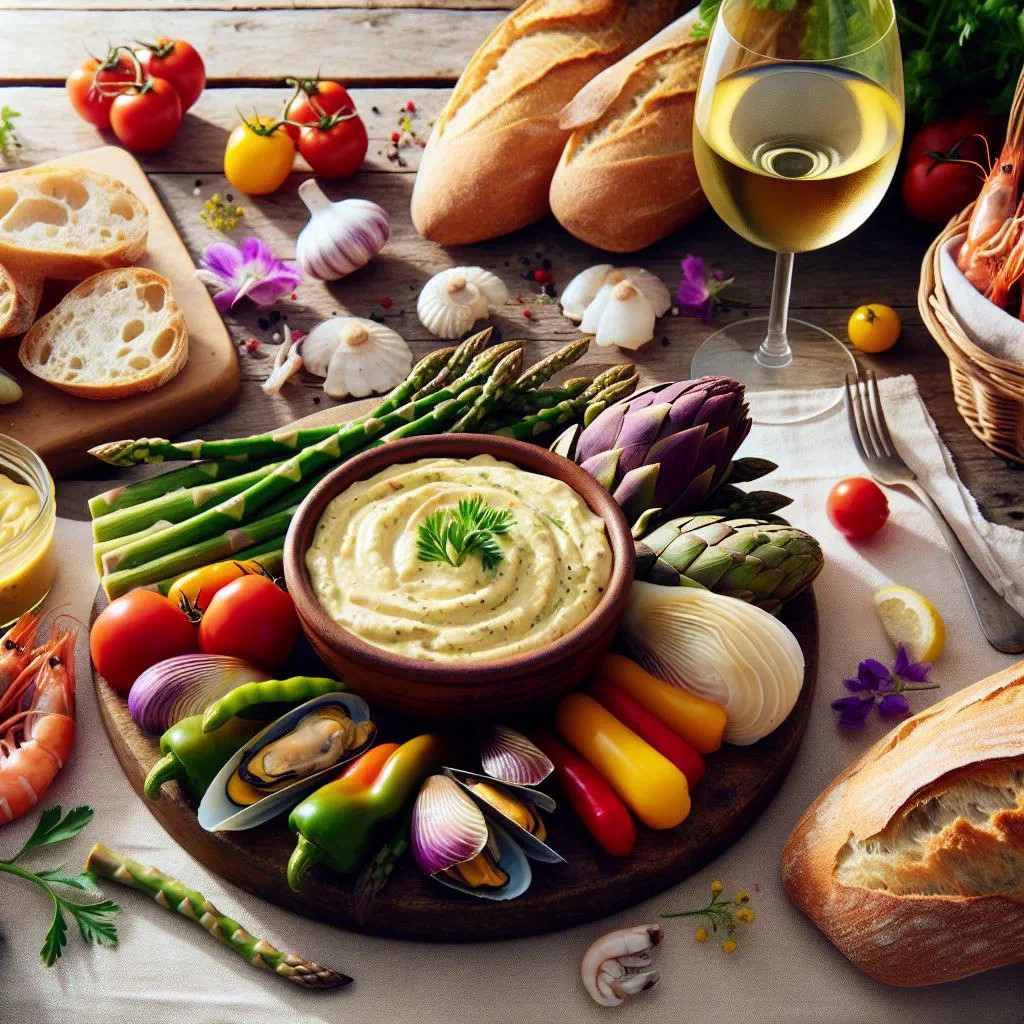
Creativity can take centre stage when it comes to presenting aioli. Serve the dip in an elegant bowl and garnish it with fresh herbs or a slice of lemon. Offer a selection of colourful vegetables alongside to highlight those bright tones. The way you arrange the vegetables, and the ritual of dipping itself, makes the whole thing visually inviting for your guests.
A bit of history
Aioli has a long culinary tradition reaching back to antiquity. Originally from the Mediterranean region, it reflects the food culture of the southern countries, where garlic and olive oil are cornerstones of daily cooking. Over the centuries it has been prepared in countless variations and has spread to kitchens all over the world. In Monaco it is a fixed part of the gastronomic tradition and is often combined with local specialities such as Pissaladiere, a fine example of Monegasque cuisine.
More recipe ideas
Summary: Aioli
Aioli is a versatile and hugely flavourful national dish from Monaco. Thanks to its simple preparation and the scope it offers for personal tweaks, it suits every occasion, a festive dinner just as much as a relaxed evening with friends. With its perfectly judged combination of garlic, olive oil and a few well-chosen extras, aioli becomes the culinary high point of any meal. Discover Monegasque culture and bring a slice of Mediterranean charm into your kitchen.