National Dish Monaco: Crème Brûlée (Recipe)
In this article
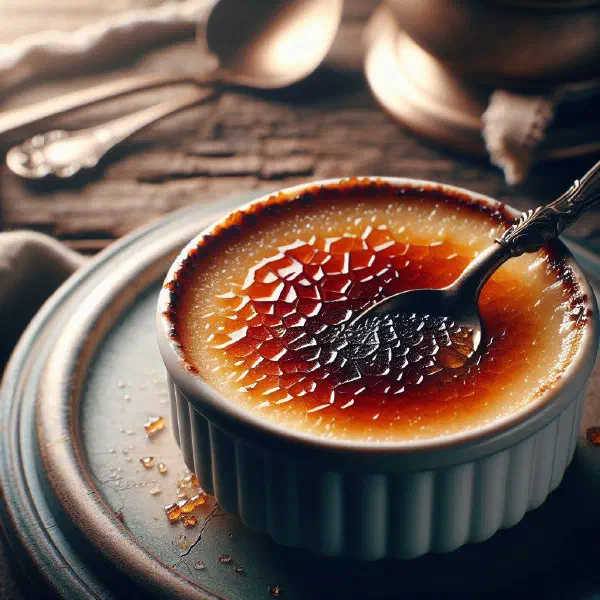
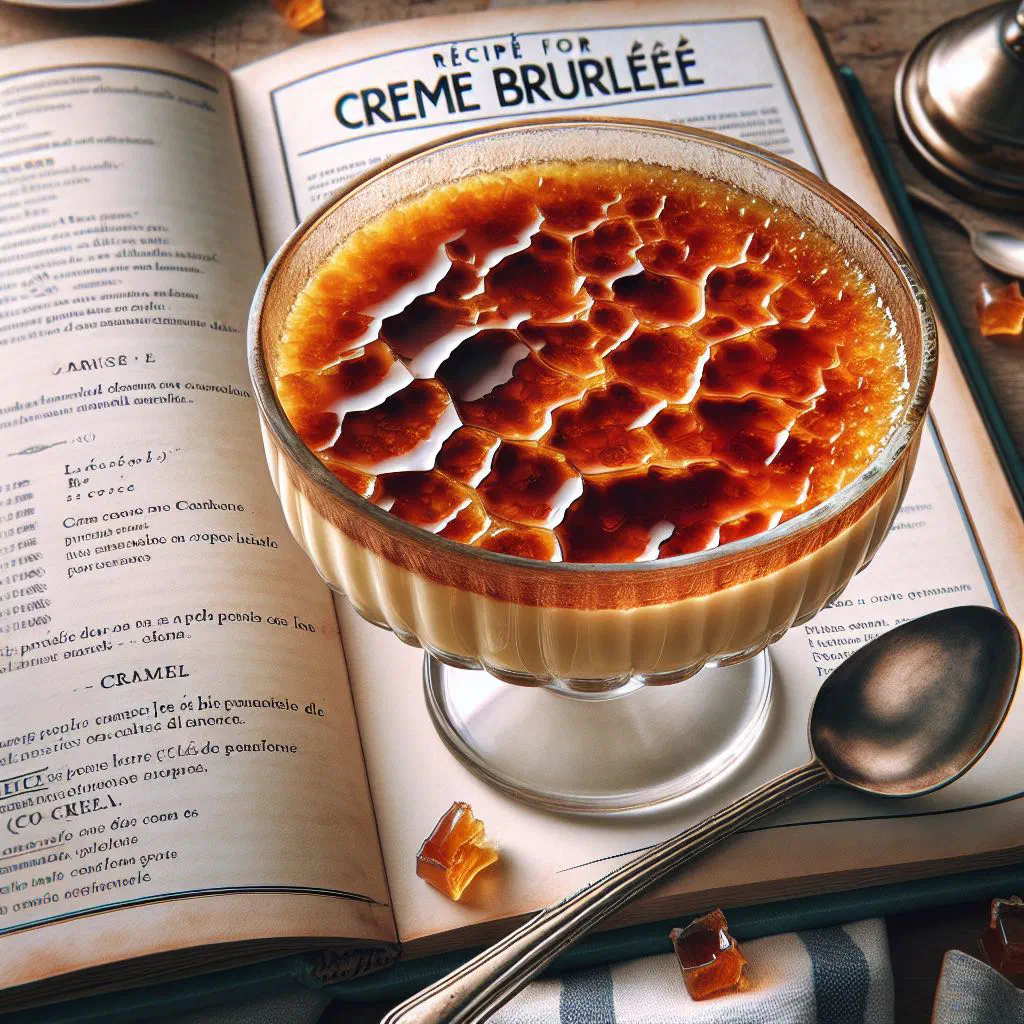
Discover Crème Brûlée, the silky vanilla custard that has become a fixture of Monaco’s glamorous dining rooms. Beneath a sheet of glassy, freshly torched caramel lies a cool, softly set cream perfumed with real vanilla. The contrast between the crackle of the sugar and the velvet beneath it is what makes this dessert so quietly addictive. Simple to make, yet elegant enough for the grandest of occasions.
About Crème Brûlée
Crème Brûlée is a classic French dessert that plays a starring role in the glamorous Principality of Monaco. It brings together the creamy texture of a vanilla custard with a deliciously sweet, crisp caramel crust on top. The way the aromas and textures harmonise makes this dessert more than a treat for the palate but a feast for the senses. Traditionally it is served in small individual ramekins and enjoyed on festive occasions.
Ingredients (serves 1–2)
- 2 egg yolks
- 50 g sugar
- 250 ml double cream
- 1 tsp vanilla extract or 1 vanilla pod
- Brown sugar, for caramelising
Shopping for the ingredients
To make an authentic crème brûlée, good-quality ingredients make all the difference. Look for fresh eggs and a properly rich double cream, as both have a considerable influence on the flavour and texture of the dessert. The gently sweet character of a good vanilla extract, or a fresh vanilla pod, provides the aromatic backbone that makes crème brûlée so special. Markets and well-stocked supermarkets will usually carry all of these in excellent quality.
Preparing the dish
Preparing crème brûlée is straightforward, but it does ask for a little time and patience so the flavours can show themselves at their best. Begin by choosing the ramekins you intend to bake and serve the dessert in. They should be heatproof and shallow enough for the caramel crust to set perfectly across the surface. Make sure they are of a similar size so everything bakes evenly and you get a consistent result.
Step-by-step instructions
- Preheat the oven to 160°C and prepare a bain-marie (water bath).
- In a bowl, whisk the egg yolks with the sugar until pale and lightly foamy.
- Heat the cream in a pan until it is almost boiling, then add the vanilla extract or vanilla pod.
- Pour the hot cream slowly into the egg and sugar mixture, stirring constantly so the eggs do not scramble.
- Divide the mixture between the ramekins and set them in the water bath.
- Bake for around 30–40 minutes, until the custard is set but still has a slight wobble in the centre.
- Chill thoroughly after baking, then sprinkle with brown sugar and caramelise with a blowtorch just before serving.
Gluten-free / lactose-free version
Crème brûlée is easily made gluten-free and lactose-free. Use lactose-free cream or a plant-based alternative such as almond cream to suit anyone sensitive to lactose. The main components, egg yolks and sugar, are naturally free from gluten, so there is nothing to worry about on that front. These small adjustments mean that people with particular dietary needs can enjoy this delicious dessert too, just as they can a fruit-led Salade de Fruits à la Menthe.
Tips for vegans and vegetarians
For a vegan crème brûlée, replace the eggs with a chia or flaxseed substitute and swap the cream for a plant-based alternative. Coconut cream is a particularly good choice, since it delivers a richness very close to dairy cream. Use a good plant-based sweetener so the dessert keeps its proper sweetness. Caramelising with brown sugar is no problem for vegans either, as long as the sugar itself is entirely plant-based.
More tips and tricks
For a flawless result, let the crème brûlée cool thoroughly before serving so the textures have time to settle. Passing the mixture through a fine sieve prevents lumps in the custard and gives you a beautifully smooth surface. Use a kitchen blowtorch to brown the sugar layer evenly, moving steadily to avoid scorching. You can also experiment with flavour by adding other extracts or aromatics such as orange or lemon zest.
Adapting the recipe to your taste
Crème brûlée is remarkably adaptable and invites all sorts of variations. You might replace the vanilla base with chocolate for a version closer in spirit to a Mousse au Chocolat, or fold fruit such as mango or raspberries through the cream. Infusing the cream with coffee gives the dessert an exciting lift. Think about which flavours appeal most to you, and do not be afraid to get creative.
Ingredient substitutions
If you do not have every ingredient to hand, crème brûlée is forgiving. Instead of dairy cream you can use a plant-based milk, ideally a thicker variety such as coconut or cashew milk, to provide the necessary richness. In place of brown sugar, honey or another sweetener can be used to build the caramelised layer. And if fresh vanilla is unavailable, vanilla flavouring will do the job perfectly well.
Drink pairing ideas
The right drink rounds off the whole experience. A fruity dessert wine or an elegant sparkling wine sits beautifully alongside the sweet caramel crust. Alternatively, a fresh espresso makes an excellent counterpoint, balancing the sweetness of the custard.
Serving and presentation ideas
Presentation matters as much as flavour here, since the caramel top is the first thing your guests see. Serve the dessert in stylish heatproof ramekins or glasses that keep the focus on the glossy sugar layer. Decorate the plate with fresh berries or a mint leaf to add a little colour contrast, much as you would when plating a Tarte au Citron. An evenly caramelised surface gives the whole thing a polished look that never fails to impress.
A bit of history
Crème brûlée has a long and intriguing history with roots in several European countries. It is most often associated with France, though Spain and England both lay claim to similar creations. In its earliest forms the dessert was served as something closer to a thin, spoonable pudding before it evolved into the version we know today. It now appears not only in classic French cooking but as a delicacy in fine restaurants worldwide, and it sits comfortably among the sweets of Monaco cuisine alongside a good Millefeuille.
More recipe ideas
Summary: Crème Brûlée
Crème brûlée is not merely a delicious dessert but an experience that seduces the sweet-toothed senses. With its perfectly judged balance of sweet caramel crust and creamy vanilla base, it suits any occasion. Whether at a festive dinner or simply as a well-earned reward at the end of a long day, this dessert is always a highlight. Its adaptability also lets you bring your own preferences into play, so every version you make remains uniquely yours.