National Dish Monaco: Fougasse (Recipe)
In this article
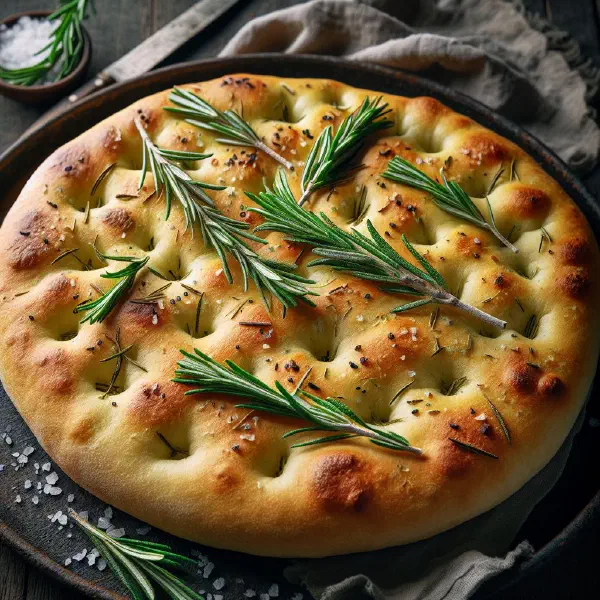
Discover Fougasse, the fragrant flatbread that has become a signature of Monaco’s Mediterranean table. Slashed into its distinctive leaf shape and scattered with fresh herbs, it emerges from the oven crisp on the outside and wonderfully airy within. A handful of good ingredients and a little patience are all it takes to bring a slice of the Riviera into your own kitchen.
About Fougasse
Fougasse is a genuine culinary highlight from Monaco, and one that has quietly won over bread lovers around the world. This aromatic flatbread is as straightforward to make as it is delicious. The dough relies on a few quality staples, fine flour, fresh yeast and fragrant herbs, and it is often enriched with additional flavourings that underline its unmistakable character. Simple, generous and endlessly shareable, it sits comfortably alongside the great classics of Monegasque cuisine.
Ingredients (serves 1–2)
- 250 g plain wheat flour
- 150 ml lukewarm water
- 1 cube fresh yeast (42 g)
- 1 teaspoon salt
- 2 tablespoons olive oil
- Fresh herbs (rosemary, thyme)
Shopping for the ingredients
To bake the perfect fougasse it is worth choosing high-quality ingredients. Pick up fresh yeast from the chilled counter and check that your flour is in good condition. Make sure the herbs really are fresh, since they carry the unmistakable flavour of the bread. Local honey or a regional olive oil can be used to deepen the aroma even further.
Preparing the dish
Before you start on your fougasse, make sure everything is within reach. Combine the flour and salt in a large bowl and make a well in the centre. The fresh yeast goes into the lukewarm water to dissolve and activate. The mixture should turn lightly foamy, a reliable sign that the yeast is alive and ready to work.
Step-by-step instructions
- Pour the dissolved yeast and the olive oil into the well in the flour.
- Mix everything thoroughly and knead the dough for about 10 minutes, until smooth and supple.
- Leave the dough to rise in a warm spot for around 1 hour, until doubled in size.
- Shape the dough into a flat, oval loaf and cut decorative slashes into it.
- Scatter the fougasse with fresh herbs and let it rest for a further 30 minutes.
- Preheat the oven to 220 °C and bake for about 20–25 minutes, until golden brown.
Gluten-free / lactose-free version
For a gluten-free fougasse, use a blend of gluten-free flours. It is important to add a binder such as xanthan gum to improve the texture. A lactose-free version needs no real adjustment at all, since olive oil rather than butter carries the dough. That way every bread lover can enjoy this Riviera speciality without compromise.
Tips for vegans and vegetarians
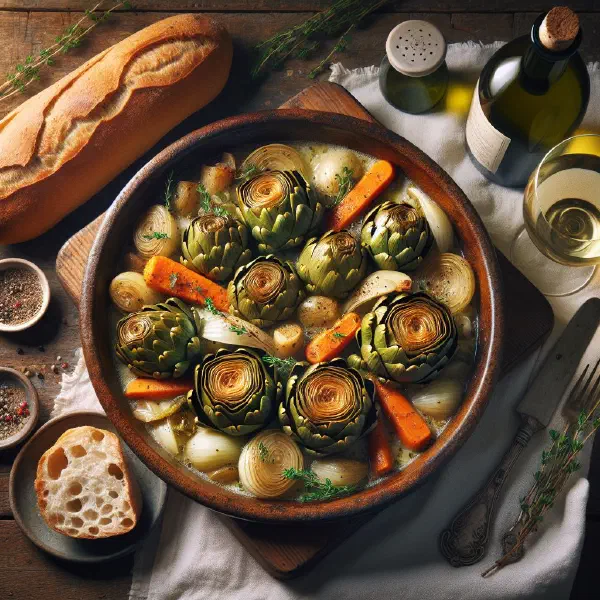
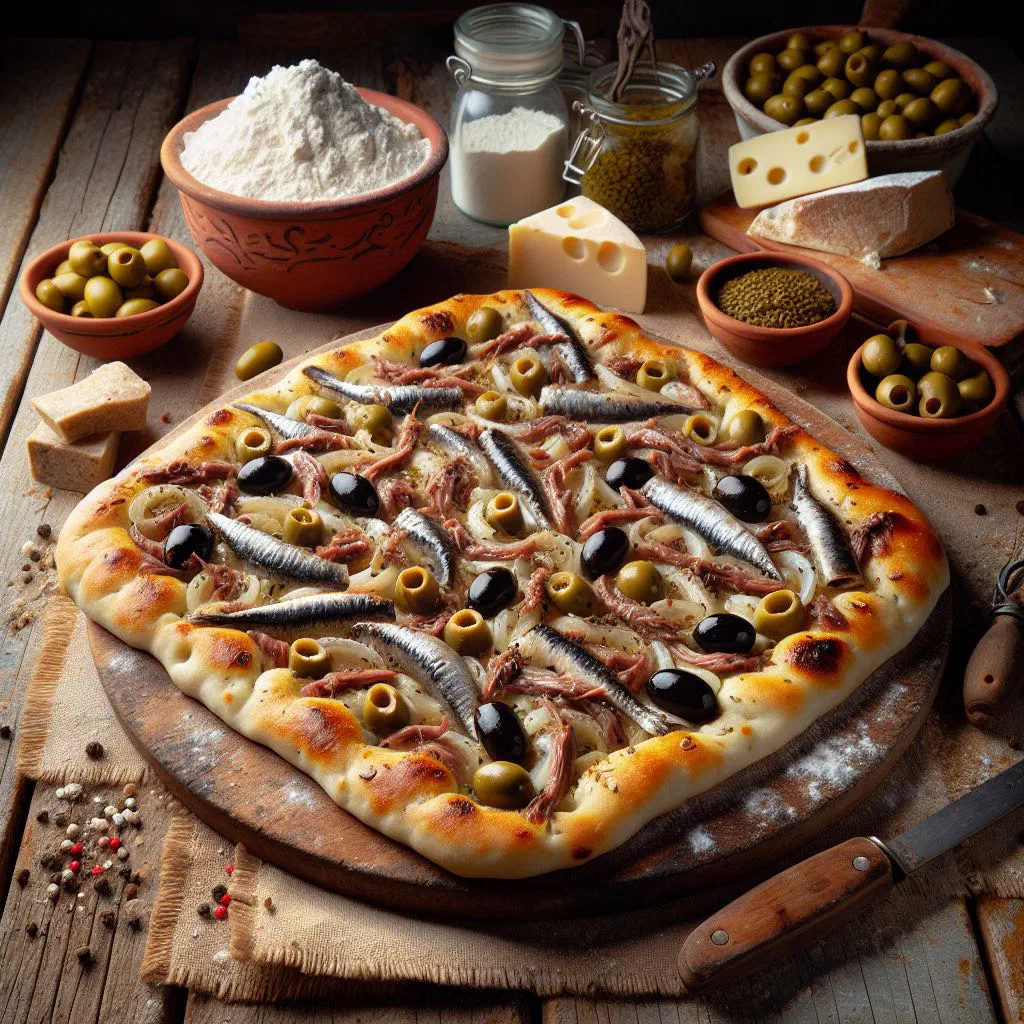
Fougasse is ideally suited to a vegan diet, as it can be made entirely without animal products. Simply check that the olive oil and any additions you use are purely plant-based. You can extend the recipe with vegetables such as olives or sun-dried tomatoes for extra depth, the same Mediterranean flavours that shine in a Pissaladiere. The result is an even more aromatic and varied loaf.
More tips and tricks
When baking fougasse, preheating the oven properly is essential for a crisp crust. Placing a small dish of water in the oven creates extra steam and gives the crumb a lighter, airier structure. Another useful trick is to cool the finished bread on a wire rack, which keeps the crust pleasantly crisp.
Adapting the recipe to your taste
Fougasse is remarkably versatile and takes well to all sorts of variations. Add diced olives or sun-dried tomatoes, for example, to build more complexity. A little cheese is also popular for non-vegans and lends the bread a creamy note, much as it does in a Fenouil Gratine. With small changes like these you can make sure the fougasse fits the occasion exactly.
Ingredient substitutions
If you would rather not use wheat flour, spelt flour makes a wholesome alternative. It offers a similar flavour while remaining easy to digest. In place of fresh herbs you can also reach for dried herbs, which bring a more concentrated aromatic note. When choosing olive oil, go for a good-quality bottle. It makes a noticeable difference to the finished bread.
Drink pairing ideas
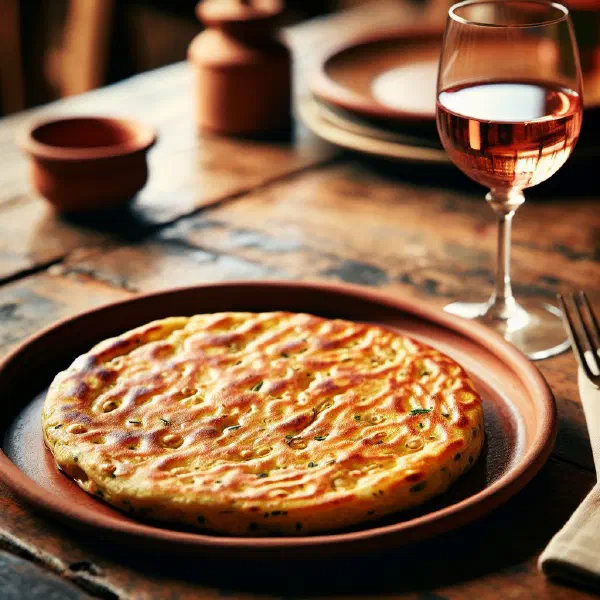
Fougasse pairs happily with a whole range of drinks. A lightly chilled rosé wine works beautifully with the bread and lifts its herbal aromas. A lively aperitif such as a Hugo or an Aperol Spritz is another natural match, especially served with small bites like Anchoiade. For anyone avoiding alcohol, a fresh lemon and mint sparkler rounds off the flavours perfectly.
Serving and presentation ideas
To show fougasse off at its best, present it on a rustic wooden board. Decorate the board with fresh herbs or olives to create a Mediterranean feel. Serve it warm and torn into bite-sized pieces so your guests can help themselves straight away. A simple dip of olive oil and balsamic vinegar completes the experience.
A bit of history
Fougasse has its roots in the traditional kitchens of Provence and is closely tied to the Mediterranean diet. It was originally served as an accompaniment to any number of dishes, but has since become a much-loved snack in its own right. Preparation varies from region to region, so there are plenty of versions to explore, from herb-strewn loaves to the stuffed pastries that gave rise to Barbagiuan. Its crisp crust and aromatic flavour make it a treasured part of Riviera culture.
More recipe ideas
Summary: Fougasse
Fougasse is a delicious Monegasque speciality that wins people over with its simple method and its reliance on good ingredients. It works equally well as a snack or as an accompaniment to a celebratory meal, and it can be adapted to almost any preference. Fougasse brings Mediterranean pleasure into your kitchen. Give the recipe a try and let the aromas of the Riviera win you over.