National Dish Monaco: Ravioli Niçois (Recipe)
In this article
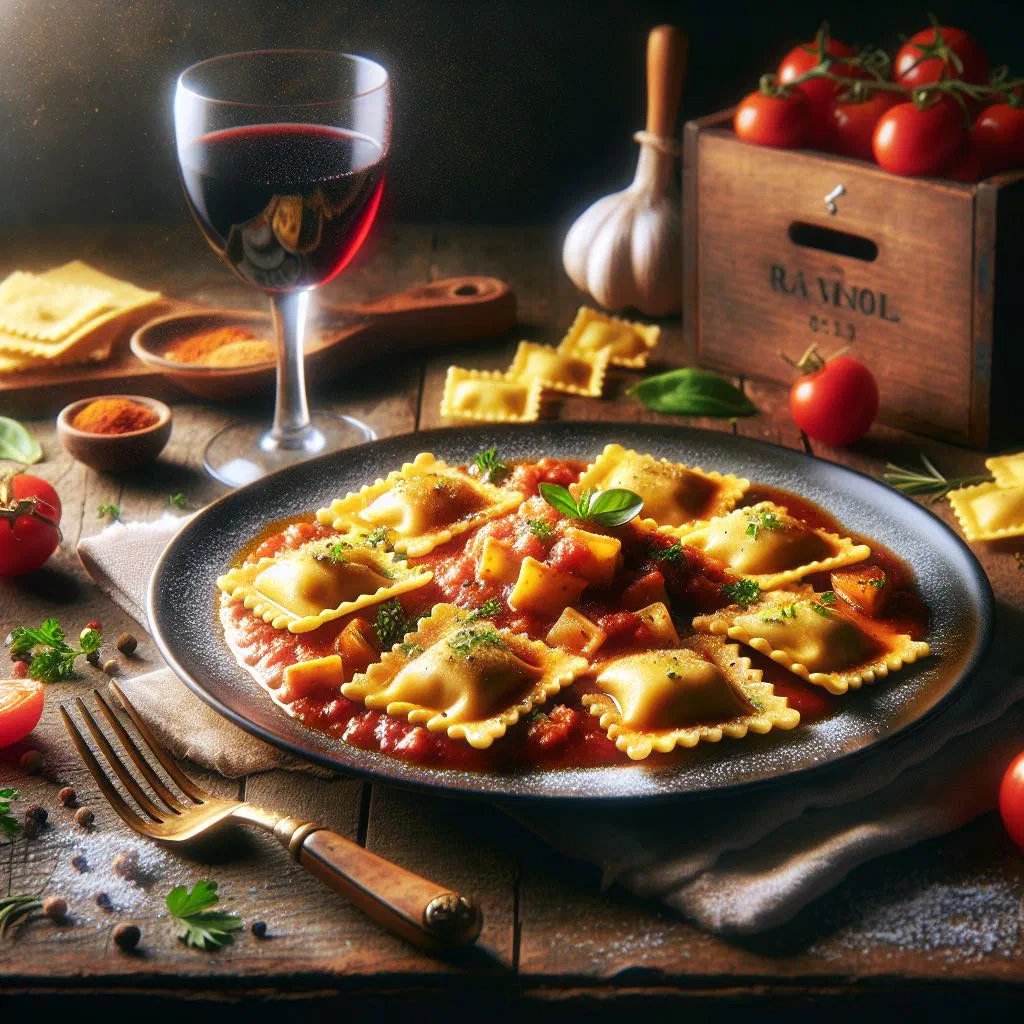
Discover Ravioli Niçois, the filled pasta that carries the sunshine of the Côte d’Azur straight to your table. Tender parcels of thin dough enclose a fragrant mixture of ricotta, spinach and freshly chopped herbs, simple, generous cooking in the very best Mediterranean tradition. These little pillows of pasta capture everything that makes the cooking of Monaco so quietly very good.
About Ravioli Niçois
Ravioli Niçois are a culinary highlight that reflects the rich Mediterranean culture of Monaco. These traditional filled pasta parcels are delicious and a wonderful way to bring the flavours of the Côte d’Azur into your own home. They are typically made with a filling of fresh herbs, ricotta and a selection of aromatic vegetables. Served as a main dish or as an accompaniment to something like Thon a la Provencale, the ravioli are a genuine treat.
Ingredients (serves 1–2)
- 200 g pasta dough (or another dough of your choice)
- 150 g ricotta
- 100 g spinach (fresh or blanched)
- 1 egg
- 50 g Parmesan, grated
- 2 tablespoons fresh herbs (basil and parsley, for example)
- Salt and pepper to taste
- Olive oil for cooking
Shopping for the ingredients
When shopping for the ingredients for Ravioli Niçois, it is worth setting your sights on fresh produce. Visit local markets or organic shops to guarantee the best quality. The choice of fresh herbs matters a great deal, as they shape the flavour of the filling more than anything else. Make sure the ricotta is creamy and fresh so that the filling turns out exactly as it should.
Preparing the dish
Before the Ravioli Niçois are assembled, it is important to prepare the ingredients properly. Wash the vegetables and chop them finely so the filling can be spread evenly. The herbs should be finely chopped too, which releases their aroma to best effect. This groundwork keeps everything running smoothly once you start shaping the pasta.
Step-by-step instructions
- Roll out the dough for the ravioli until it is thin enough.
- Mix the ricotta, spinach, egg, Parmesan and chopped herbs together in a bowl.
- Cut out circles of dough and place a little filling on each one.
- Brush the edges of the dough with water and lay a second circle on top.
- Press the edges firmly together to seal the ravioli.
- Bring a large pan of water to the boil and cook the ravioli until they rise to the surface.
- Drizzle with olive oil and scatter over some Parmesan to taste.
Gluten-free / lactose-free version
To make Ravioli Niçois gluten-free, you can use gluten-free flour for the dough. There are also ready-made gluten-free pasta sheets that work very well. For a lactose-free version of the filling, plant-based ricotta alternatives made from nuts or soya are ideal. That way everyone at your table can enjoy the dish, whatever their particular dietary needs.
Tips for vegans and vegetarians
Vegans can adapt Ravioli Niçois very easily by replacing the ricotta with a blend of puréed nuts and plant-based ingredients. Cauliflower or pumpkin make delicious alternative fillings, much as they do in a Terrine De Legumes. Make sure the dough is vegan too, by swapping the egg for plant-based milk or another binding agent. That way everyone gets to enjoy this classic recipe in their own way.
More tips and tricks
One important tip when making Ravioli Niçois is to salt the water lightly before you cook them, which helps to bring out the flavour. Make sure the ravioli do not stick together by stirring gently once you have slipped them into the pan. When serving, you can also finish the ravioli with a sauce of your own choosing to give them a personal touch.
Adapting the recipe to your taste
Ravioli Niçois are easily adapted to suit personal preference. Change the filling for other vegetables such as courgette or mushrooms for a different flavour altogether. You can also try different herb mixtures to give the dish a new lift. Creativity is the key here to making every portion unique and full of flavour.
Ingredient substitutions
If some of the ingredients for Ravioli Niçois are not available, there are plenty of alternatives. Instead of ricotta you can use cottage cheese or a blend of plant-based quark alternatives. Ready-made pasta sheets, sold in most supermarkets, work perfectly well for the dough. Experiment with other vegetables to vary the recipe entirely to your own taste.
Drink pairing ideas
Light, refreshing drinks suit Ravioli Niçois particularly well. A dry white wine from the region, such as a Côtes de Provence, harmonises perfectly with the flavours of the ravioli. For an alcohol-free alternative, serve a lively lemon and mint drink that underlines the Mediterranean note. Drinks like these turn the meal into a properly harmonious experience.
Serving and presentation ideas
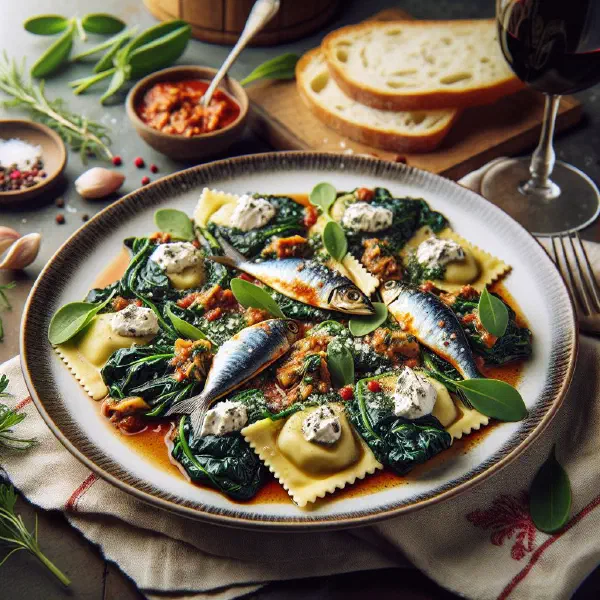
There are many attractive ways to present Ravioli Niçois. Serve them in deep plates with a scattering of fresh herbs over the top. A drizzle of good olive oil or a homemade sauce refines the dish further and makes for a striking finish. Do not forget to finish each portion with grated Parmesan for that final touch. A slice of Fougasse alongside completes the table nicely.
A bit of history
Ravioli Niçois have a long history that reaches back into Monaco’s years of neutrality. These filled parcels reflect the influence of Italian cooking and are shaped strongly by regional ingredients. The combination of fresh vegetables and herbs shows their close connection to Monaco cuisine, which wins people over through simplicity and quality. Through the seasons and the cultural currents of the coast, they have become firmly established in Monaco and well beyond.
More recipe ideas
Summary: Ravioli Niçois
Ravioli Niçois are an impressive example of the delicious Mediterranean cooking that Monaco has to offer. With a straightforward recipe you can make these traditional filled parcels in your own kitchen. The variety of ingredients and the many ways of adapting them make this dish appealing to seasoned cooks and enthusiastic beginners alike. Let the unique taste and aroma of Monaco inspire you.