National Dish Monaco: Socca (Recipe)
In this article
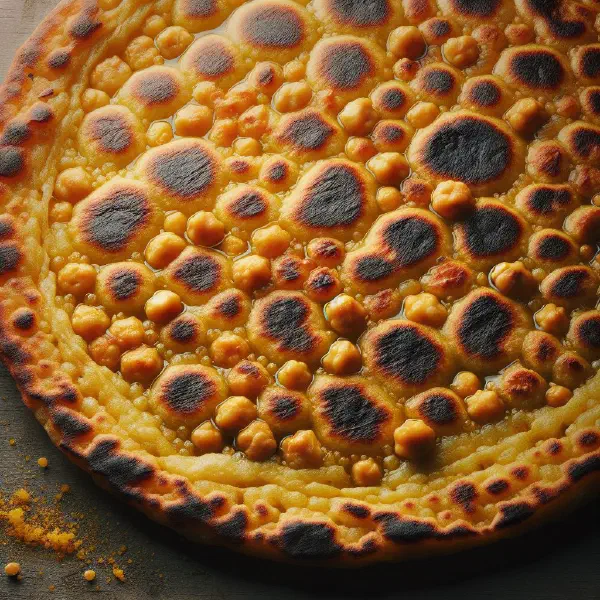
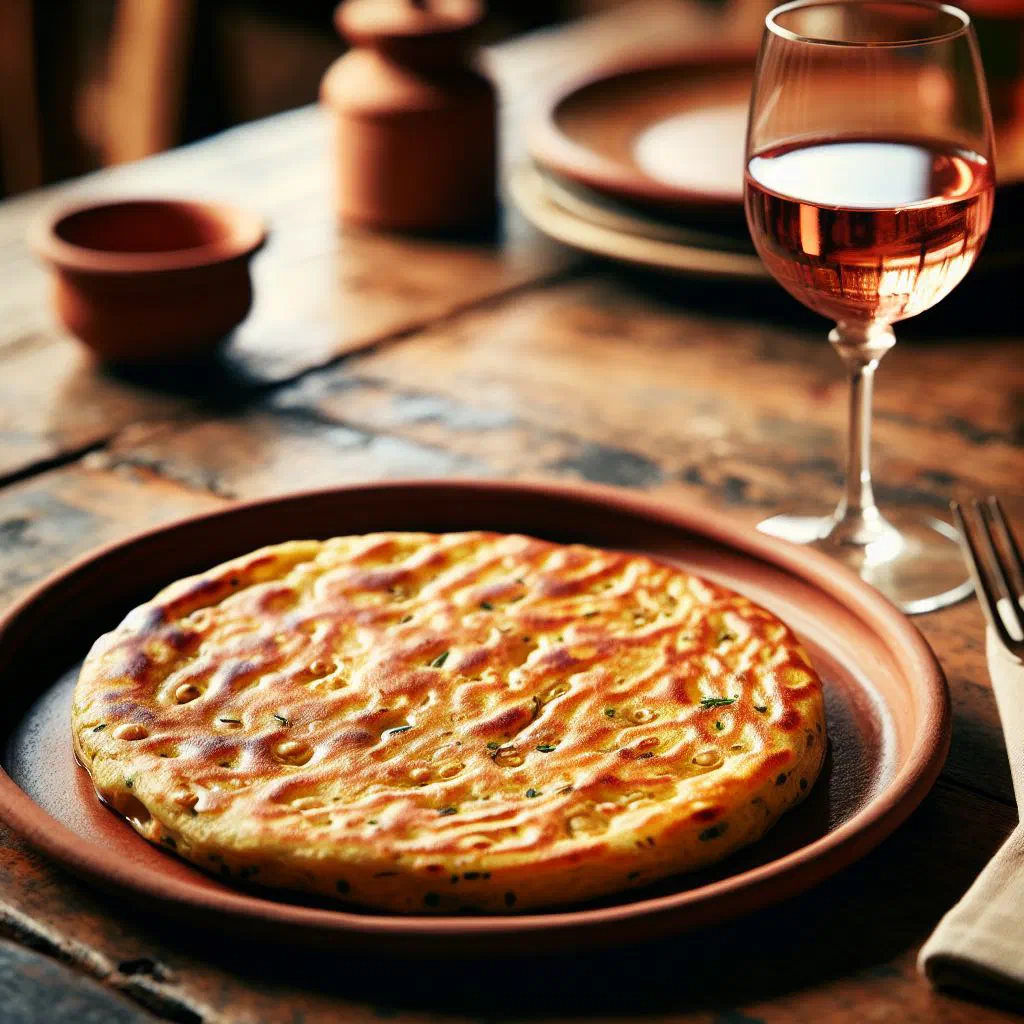
Discover Socca, the crisp chickpea pancake that carries the sunshine of the Côte d’Azur straight to your table. Made from little more than chickpea flour, water and good olive oil, it bakes into a golden, blistered flatbread with a soft, almost creamy centre. It is quick, naturally gluten-free and endlessly moreish, the sort of honest Mediterranean food that needs no embellishment beyond a squeeze of lemon and a grind of pepper.
About Socca
Socca is a traditional dish from Monaco that is equally beloved right along the Mediterranean coast. It consists mainly of chickpea flour, water, olive oil and seasoning, and is typically baked on a large tray in a very hot oven. Its simple preparation makes socca an ideal snack or a delicious side dish. In Monaco it is happily served with a squeeze of lemon and perhaps a little black pepper, much like the other unfussy specialities of the Monégasque table.
Ingredients (serves 1–2)
- 100 g chickpea flour
- 250 ml water
- 3 tablespoons olive oil
- 1/2 teaspoon salt
- 1/4 teaspoon black pepper (optional)
- A squeeze of lemon juice, to taste
Shopping for the ingredients
The ingredients for socca are easy to find in most supermarkets. Do take care to choose a good-quality olive oil, as it shapes the flavour of the dish considerably. Chickpea flour is usually stocked in the wholefood aisle or in international grocers. If you cannot find fresh lemons, bottled lemon juice will do the job, though freshly squeezed juice is always the better choice.
Preparing the dish
Preparing socca is remarkably straightforward and takes only a few steps. Begin by setting out all your ingredients so the process moves along briskly. Whisk the chickpea flour, water, olive oil and salt together in a bowl until you have a smooth, lump-free batter. It pays to let the batter rest for about 30 minutes so the flour can hydrate and the flavours settle.
Step-by-step instructions
- Preheat the oven to 220°C and place a baking tray with olive oil inside so it becomes thoroughly hot.
- Pour the prepared batter evenly onto the hot tray.
- Bake the socca for around 15–20 minutes, until the surface is golden brown and crisp.
- Serve the socca hot, ideally with a squeeze of lemon juice.
Gluten-free / lactose-free version
One of the great advantages of socca is that it is naturally gluten-free and lactose-free. You can enjoy it without a second thought if you live with either intolerance. The chickpea flour base means this dish suits anyone following a gluten-free diet, and the olive oil and remaining ingredients contain no dairy at all, making socca an excellent option across a wide range of eating habits.
Tips for vegans and vegetarians
Socca is naturally vegan, since it contains nothing but plant-based ingredients. It varies easily if you would like to add extra flavour, for instance with different herbs or spices. A combination of thyme or rosemary gives the dish a lovely aromatic lift. You might also consider serving a plant-based cheese sauce alongside to add another layer of flavour, in the spirit of a herb-flecked Omelette Aux Herbes.
More tips and tricks
For the perfect result, make sure the tray is generously coated with olive oil so the socca does not catch and burn. If you want a particularly crisp base, let the batter stand for a few extra minutes before baking so the chickpea flour can swell properly. Keep a close eye on the baking time, and be certain the tray is properly hot before the batter goes on. This is what gives you that beautifully browned, crackling top.
Adapting the recipe to your taste
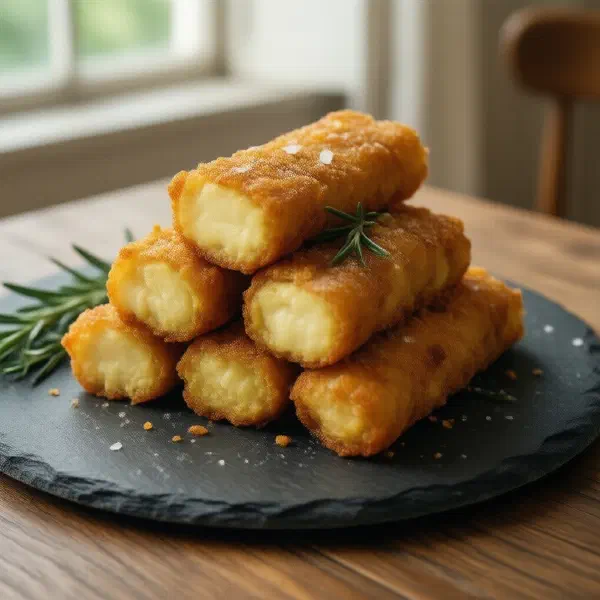
Socca adapts readily to personal preference. For a touch more heat, add a pinch of cayenne pepper or chilli powder. Stirring vegetables such as onions or peppers into the batter also brings extra flavour and texture. Play around with the spices and aromatics to create your own version of this delicious dish, and if you enjoy chickpea flour, its fried cousin Panisse is the obvious next step.
Ingredient substitutions
For a gluten-free option you need not stick to chickpea flour alone: rice flour or quinoa flour can work too. If you have no olive oil to hand, try coconut oil or another oil that stands up to high heat. In this way you can give your socca different flavours and textures.
Drink pairing ideas
To round out the experience, white wines or a refreshing citrus spritz pair beautifully with socca. A dry rosé is an equally fine choice. If you prefer something without alcohol, sparkling mineral water or fresh lemon juice topped up with soda water make ideal companions. These drinks underline the savoury character of the socca and complete the meal.
Serving and presentation ideas
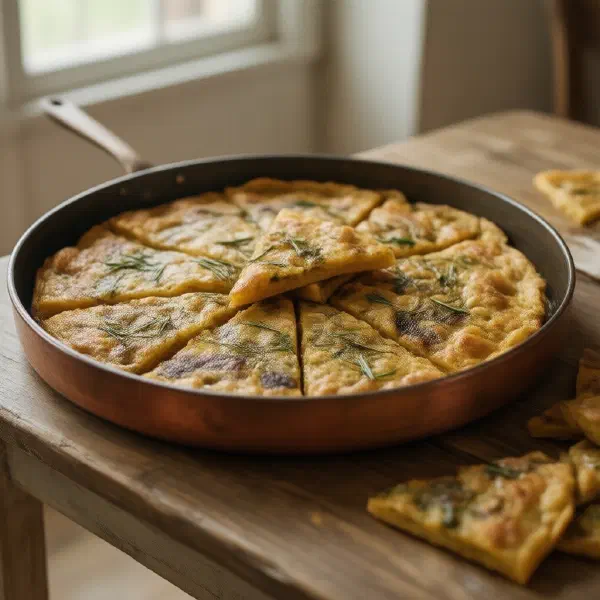
To serve socca attractively, cut it into small pieces and arrange them on a rustic wooden board. A few fresh herbs such as thyme or oregano not only look appealing but add aroma too. Consider setting out a small dish of olive oil and pepper for dipping. A squeeze of fresh lemon over the freshly baked socca brightens the colours and makes the whole plate more inviting, lovely as part of a spread with Pissaladiere or Pan Bagnat.
A bit of history
The story of socca reaches back to the 19th century, when it was first made in Nice and swiftly gained popularity across the Mediterranean. Originally it was sold as street food and was hugely popular with locals. Today socca is a symbol of Mediterranean cooking and stands for the culinary traditions of Monaco. This dish embodies the simple yet flavourful food culture of the region, a hallmark of Monaco cuisine.
More recipe ideas
Summary: Socca
Socca is a delicious, easily made dish that works perfectly as a snack or a side. With its handful of ingredients and simple method, it lends itself to endless personal variation. Whether gluten-free or vegan, socca meets a great many needs and pleases just about every palate. This traditional flatbread brings the flavours of the Côte d’Azur to your table and offers a wonderful tour into the history of Monaco.