National Dish Monaco: Tarte Tropézienne (Recipe)
In this article
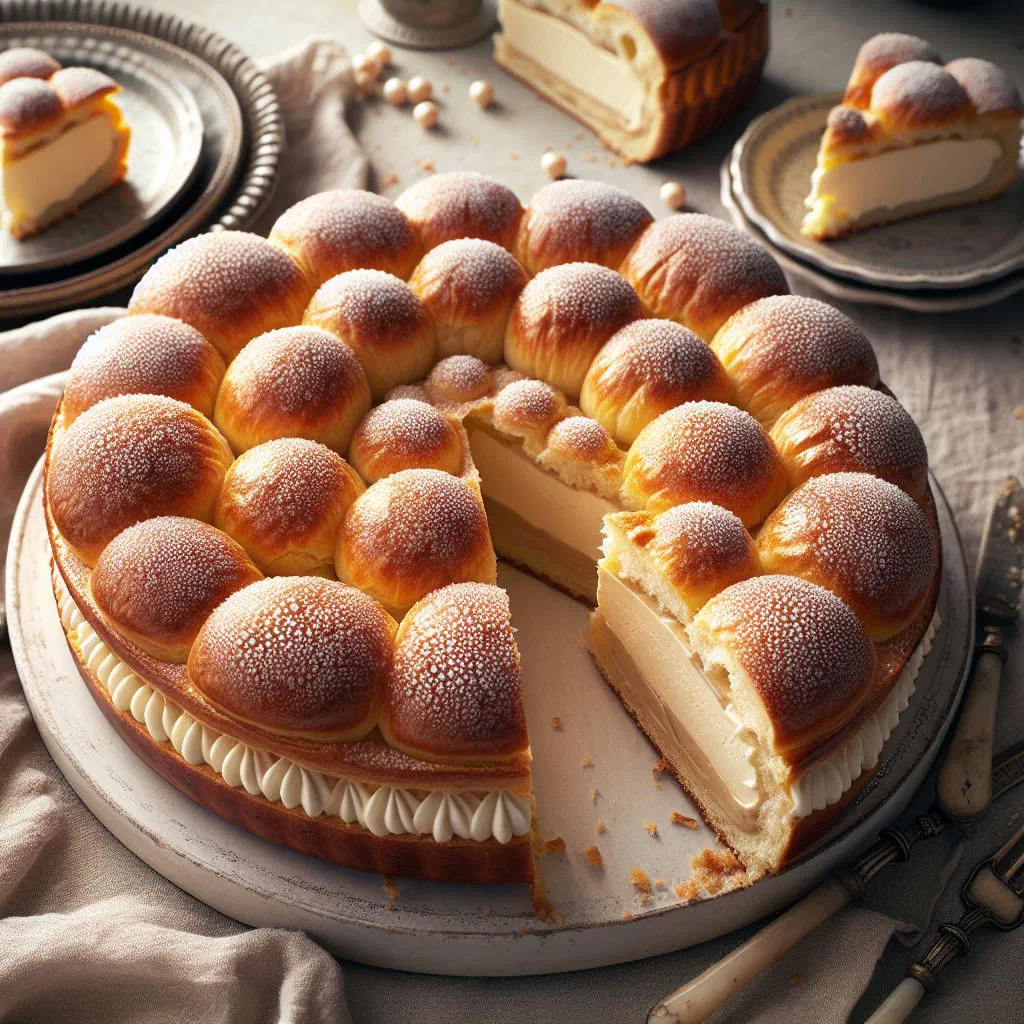
Discover Tarte Tropézienne, the sun-soaked cream cake that has become a signature sweet of the Riviera and of Monaco. A pillowy, sugar-crusted brioche is split and filled with a silky vanilla cream brightened by lemon zest, light, fragrant and quietly luxurious. It is the kind of dessert that suits a celebration just as happily as a lazy afternoon with a pot of tea.
About Tarte Tropézienne
The Tarte Tropézienne is not merely a national dish of Monaco but a culinary experience that seduces the senses. This delicate cream cake is built on an airy yeast dough and filled with a velvety cream filling carrying fine vanilla and gentle citrus notes. Originally created in Saint-Tropez, it is now known and loved in many corners of the world. The pairing of soft, feather-light dough with an aromatic filling makes for a memorable mouthful, equally at home at a special occasion or as a simple everyday treat.
Ingredients (serves 1–2)
- 250 g plain flour
- 10 g dried yeast
- 50 g sugar
- 125 ml milk
- 2 eggs
- 80 g butter
- 1 pinch of salt
- 250 ml whipping cream
- 1 sachet of vanilla sugar
- Zest of 1 unwaxed lemon
Shopping for the ingredients
Making a good Tarte Tropézienne calls for fresh, high-quality ingredients. Pay particular attention to the quality of the eggs and the butter, since both have a decisive influence on the finished flavour. Choosing an unwaxed lemon for the zest gives you a more intense aroma as well as a genuine, natural freshness in the cream. Visit a local market or a well-stocked grocer to pick out the best of what is available, the same care that goes into a classic Millefeuille pays off here.
Preparing the dish
Before you begin, it is worth having every ingredient measured out and your equipment to hand. You will need a large bowl for the dough and a second bowl for the filling. Bring the butter and the milk up to room temperature in advance so the ingredients combine smoothly rather than seizing. Good preparation is the key to a relaxed, unhurried bake.
Step-by-step instructions
- In a large bowl, combine the flour, dried yeast, sugar and salt.
- Add the lukewarm milk and the eggs, then knead thoroughly.
- Work in the softened butter a little at a time until you have a smooth, supple dough.
- Cover the dough and leave it to prove in a warm place for about 1 hour.
- Once risen, roll the dough out on a floured surface and lay it into a greased tart tin.
- Preheat the oven to 180 °C and bake for 20–25 minutes, until golden brown.
- For the filling, whip the cream with the vanilla sugar and lemon zest until stiff.
- Slice the cooled tart horizontally and spread the cream filling evenly over the base.
- Replace the top layer and dust with icing sugar to taste.
Gluten-free / lactose-free version
If you would like a gluten-free Tarte Tropézienne, you can swap the wheat flour for one of the specialist gluten-free flour blends now sold in most supermarkets, the pleasure stays exactly the same. For a lactose-free version, use lactose-free milk and cream, and check that the butter is lactose-free too so the cream filling remains just as rich and satisfying.
Tips for vegans and vegetarians
To create a vegan Tarte Tropézienne, replace the eggs with apple sauce or a mashed banana to bind the dough. Instead of dairy cream, use a plant-based whipping cream made from soya, oat or coconut. The tart comes out every bit as delicious and fluffy, so vegan guests need not miss out. Do check that every ingredient is genuinely free from animal products before you begin.
More tips and tricks
A few small habits make all the difference. Always work with ingredients at room temperature so they emulsify properly. A pinch of nutmeg or a whisper of cinnamon can give the cream an intriguing extra dimension. Above all, let the tart cool thoroughly before slicing, otherwise the filling will spill out and the neat wedges you were hoping for will collapse.
Adapting the recipe to your taste
The joy of the Tarte Tropézienne lies in how readily it bends to your own preferences. You can fold different flavours into the cream, chocolate or seasonal fruit, for instance, and change them as the year turns. The dough itself can vary too: wholemeal flour gives the tart a nuttier character and a little more substance. Small adjustments like these are what make a version unmistakably yours.
Ingredient substitutions
If you need or prefer to leave something out, there are plenty of workable alternatives. Honey in place of sugar brings a rounder, more natural sweetness. Ground almonds stirred through the cream add a gentle nuttiness, much as they do in a traditional Pain de Gênes. It pays to plan such substitutions early rather than improvising halfway through, so the balance of the recipe stays intact.
Drink pairing ideas
The right drink completes the experience. A fresh citrus juice echoes the lemon in the cream and balances the sweetness beautifully. A slender sparkling wine or a light rosé also flatters this kind of cream cake without overwhelming it. Tea drinkers should try a hibiscus infusion, whose fruity tartness harmonises particularly well.
Serving and presentation ideas
Presentation shapes the first impression, and this tart deserves a good one. Decorate it with a swirl of freshly whipped cream and a scattering of edible flowers. Serving it on a wooden board garnished with seasonal fruit is another lovely approach, and one that suits a shared table alongside something like a Salade de Fruits à la Menthe. Simple but considered touches like these will impress your guests and make the dessert all the more appetising.
A bit of history
The story of the Tarte Tropézienne begins in the 1950s, when the baker Alexandre Micka created it in Saint-Tropez. The cake was named in honour of the town and its charmed, sunlit atmosphere. It quickly became the must-have dessert of the Côte d’Azur, and today it is celebrated well beyond Monaco, a small but telling piece of Monaco cuisine and its close ties to the wider Mediterranean coast.
More recipe ideas
Summary: Tarte Tropézienne
The Tarte Tropézienne is a heavenly dessert, defined by its soft dough base and its delicately perfumed filling. Thanks to the many possible variations, it can be shaped to suit almost any taste or dietary need. This cake delivers an incomparable flavour. Enjoy it in good company or entirely on your own, and let yourself be won over.