National Dish Monaco: Tiramisu (Recipe)

In this article
Few desserts win a room over as quickly as Tiramisu. Silky mascarpone cream, sponge fingers soaked in strong coffee and a generous veil of cocoa come together in something that feels both indulgent and effortlessly simple. Born in northern Italy and thoroughly at home on the tables of Monaco, it is the sort of pudding that turns an ordinary dinner into an occasion. No oven required, just a little patience while it chills.
About Tiramisu
Tiramisu is a classic Italian dessert that has captivated people the world over. With its creamy mascarpone filling, the deep aroma of coffee and delicate sponge fingers, it is a heavenly combination that makes any sweet tooth sit up and take notice. Originally from northern Italy, the dish has long since made a name for itself in Monaco and far beyond. Tiramisu brings together not only flavours but cultures, and it lends any gathering an air of unhurried Italian elegance.
Ingredients (serves 1–2)
- 250 g mascarpone
- 2 fresh eggs
- 50 g caster sugar
- 200 ml strong coffee, cooled
- 100 g sponge fingers (ladyfingers)
- Cocoa powder, for dusting
- A pinch of salt
Shopping for the ingredients
A delicious tiramisu depends on fresh, good-quality ingredients. Pay particular attention to the mascarpone, as its quality determines just how creamy the finished dessert will be. For the coffee, choose a decent bean that is not too bitter, since it shapes the aroma of the whole dish. Fresh eggs are essential for a safe preparation, so it is worth buying them from a local trader or an organic shop rather than reaching for whatever is nearest.
Preparing the dish
Before you start assembling the tiramisu, have all your equipment to hand. You will want a mixing bowl, a whisk or electric mixer, and either a dish or individual dessert glasses for serving. Brew the coffee in advance and let it cool completely, since it will later be used to soak the sponge fingers. Good preparation keeps the whole process running smoothly and lets you work through each step calmly and efficiently.
Step-by-step instructions
- Separate the eggs. Whisk the whites with a pinch of salt until they hold stiff peaks.
- Beat the yolks together with the sugar until pale and creamy.
- Add the mascarpone slowly to the yolk and sugar mixture, stirring carefully until smooth.
- Fold the stiffly whisked egg whites into the mascarpone mixture until you have a light, even cream.
- Dip the sponge fingers briefly into the cooled coffee and lay a layer across the base of the dish.
- Spread a layer of the mascarpone cream evenly over the sponge fingers.
- Repeat with a second layer of sponge fingers and a second layer of mascarpone.
- Dust the top with cocoa powder and chill the tiramisu for at least four hours before serving.
Gluten-free / lactose-free version
For a gluten-free tiramisu, simply swap the sponge fingers for gluten-free biscuits, which are now widely stocked in supermarkets and soak up coffee just as readily as the originals. If you need a lactose-free version, lactose-free mascarpone works beautifully and tastes all but identical to the standard product. Small adjustments like these mean this traditional dessert can be enjoyed by guests with food intolerances too, much as the almond-based Pain de Genes suits those avoiding wheat flour.
Tips for vegans and vegetarians
Vegans can turn to plant-based alternatives without losing the character of the dish. Use a vegan cream made from soya or oats in place of mascarpone, along with a plant-based egg replacer to keep the mixture smooth and stable. Stirring a little cocoa powder into the coffee helps round out the flavour. The texture and taste will differ slightly from the traditional version, but the dessert remains rich, satisfying and thoroughly memorable.
More tips and tricks
A splash of alcohol plays an interesting role in the perfect tiramisu. Many recipes add a little Marsala or Amaretto, which gives the dessert an extra layer of flavour. Your choice of coffee matters too. Try a proper espresso, or even a nuttier roast, for a different character. Experiment with cocoa or cinnamon for the final dusting to improve both look and aroma; these small touches make a surprising difference to the presentation and the taste.
Adapting the recipe to your taste
Tiramisu can be tailored entirely to your own preferences. Add fruit such as raspberries or strawberries for a fresh, tangy note, or work in nuts, chopped almonds or hazelnuts, for a bit of crunch. Quantities can be adjusted freely as well, and there is no limit to what you might try. Combining different aromas and textures is how you arrive at a tiramisu that is genuinely your own, in the same spirit of playful invention that shapes a Salade De Fruits A La Menthe.
Ingredient substitutions
The tiramisu recipe is remarkably flexible, and plenty of substitutions work well. If sponge fingers are hard to come by, try rusks or even brownies, which bring an intriguing flavour of their own. The sugar can be reduced or replaced with honey if you prefer a more natural sweetness. Alternatives like these let you adapt the dessert to individual tastes and dietary needs while keeping all of its delicious character intact.
Drink pairing ideas
A fine tiramisu goes wonderfully with an espresso or a strong coffee, which echoes and completes the flavour of the dessert. A liqueur such as Amaretto, or a sweet red wine, also makes an excellent companion and brings further aromas to the table. For an alcohol-free option, serve a mild herbal tea or a fruity drink to soften the sweetness. Pairings like these ensure every spoonful lands as it should.
Serving and presentation ideas
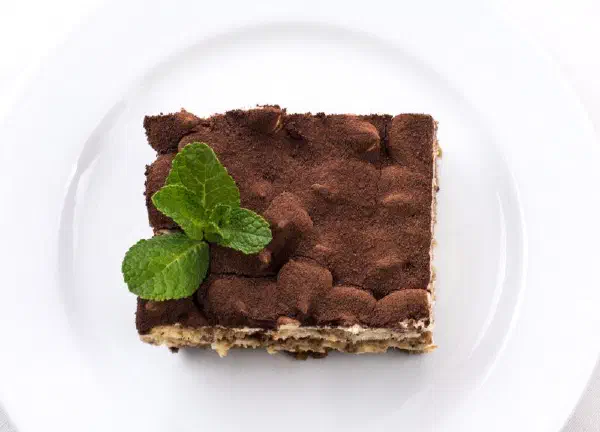
Presentation can lift the entire tiramisu experience. Serving it in glasses shows off the layers to great effect and looks genuinely inviting. Finish the top with fresh mint leaves or a pinch of cinnamon. Individual portion dishes work nicely, and a touch of edible gold dust adds a luxurious flourish that would not look out of place beside a Creme Brulee. With a little imagination, your tiramisu becomes the centrepiece of any festive table.
A bit of history
The origins of tiramisu remain unsettled to this day, though it is most often traced to the Veneto region in the 1960s. The name means roughly “pick me up”, a nod to the reviving effect of coffee and sugar. In Italy it is a beloved pudding served not only in restaurants but in countless homes, and it holds a comparable place in the dessert repertoire of Monegasque cuisine. Countless variations and creative reinterpretations have since appeared, widening the dessert’s range and cementing its popularity well beyond Italy.
More recipe ideas
Summary: Tiramisu
Tiramisu is far more than a dessert; it is an ode to Italian cooking and to the tradition of eating well together. With its handful of simple ingredients and its openness to adaptation, it makes an outstanding choice for any occasion. The result will be quietly heavenly. Let the grace and richness of tiramisu win you over, and enjoy this delicious slice of Italy at your own table.