National Dish Mongolia: Shorva (Recipe)
In this article
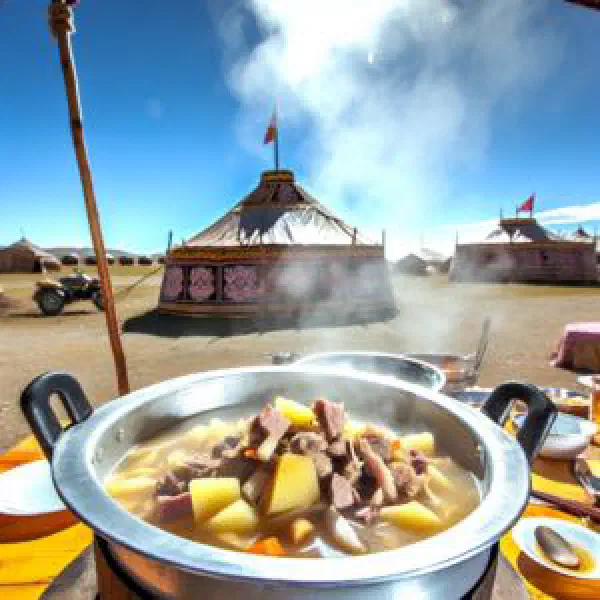
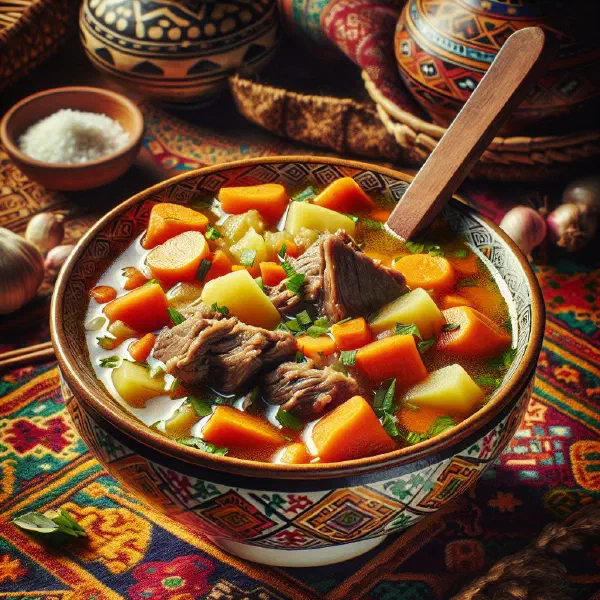
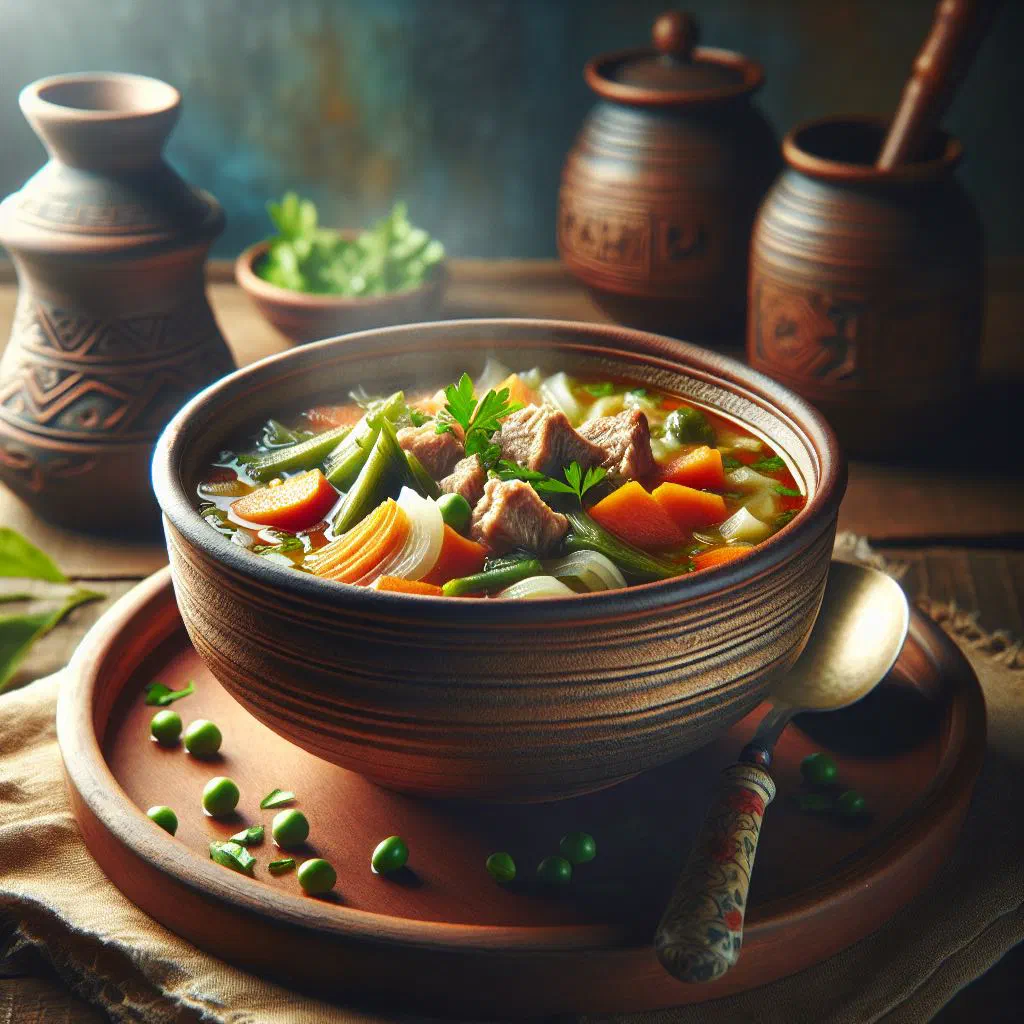
Warm up with Shorva, a hearty Mongolian soup that brings comfort to the coldest of days. Tender pieces of meat simmer slowly alongside fresh vegetables and gentle spices until every spoonful is rich and satisfying. More than just a bowl of soup, Shorva is a taste of Mongolian hospitality, the kind of dish shared with family and served proudly at celebrations. Bring a little nomadic warmth to your own kitchen with this deeply nourishing classic.
About Shorva
Shorva is a traditional Mongolian dish, celebrated for its hearty flavour and the variety of ingredients that go into it. At its heart it is a wholesome soup, usually built from different cuts of meat, fresh vegetables and warming spices. Preparing Shorva is a culinary pleasure and an important part of Mongolian culture. Across Mongolia it is common to serve this dish at special occasions and family celebrations, where its comforting warmth is always welcome.
Ingredients (serves 1–2)
- 300 g beef or lamb
- 1 litre water
- 2 large carrots
- 1 onion
- 2 potatoes
- 2 cloves garlic
- 2 tablespoons vegetable oil
- Salt and pepper, to taste
- Fresh herbs, to garnish
Shopping for the ingredients
To make Shorva, start by gathering all your fresh ingredients from a well-stocked supermarket or a local farmers’ market. The choice of meat matters most; try to buy high-quality, fresh meat to guarantee the best flavour. Look for firm, aromatic vegetables to give the soup a rich and satisfying base. Finally, fresh herbs bring the dish its finishing touch and should not be forgotten.
Preparing the dish
Before you begin cooking Shorva, clean and prepare all your ingredients thoroughly. Cut the meat into small, bite-sized pieces so it cooks evenly. Peel the potatoes, carrots and onion, then chop them into cubes or slices. Finely chop the garlic as well, so it releases its full flavour into the soup.
Step-by-step instructions
- Heat the vegetable oil in a large pot and sear the meat until well browned.
- Add the onion and garlic and cook briefly until softened and translucent.
- Stir in the carrots and potatoes and mix everything together well.
- Pour in the water and bring the pot to the boil.
- Reduce the heat, season with salt and pepper, and let it simmer gently for about 1 to 1.5 hours.
- Garnish with fresh herbs just before serving.
Gluten-free / lactose-free version
Shorva is easy to prepare gluten-free and lactose-free, as the main ingredients generally contain none of these allergens. When choosing your vegetable oil, check that it is genuinely gluten-free and free from hidden additives. For a lactose-free result, simply rely on plant-based oils or broths. That way, anyone with an intolerance can enjoy this delicious soup without worry.
Tips for vegans and vegetarians
For a vegan or vegetarian version of Shorva, replace the meat with plant-based proteins such as tofu or tempeh. You can also increase the variety of vegetables by adding mushrooms or courgette, for example. Use vegetable stock instead of water to give the dish more depth of flavour. Warming spices such as cumin or paprika lend the vegan Shorva a lovely extra character.
More tips and tricks
To make Shorva even tastier, experiment with different spices until you find the flavour you love. Adding bay leaves or fresh thyme gives the soup an aromatic depth. Let the soup rest overnight to intensify the flavours before you serve it. Play with the cooking times, too, to bring the vegetables to just the texture you prefer.
Adapting the recipe to your taste
Shorva is an extremely flexible dish that adapts easily to personal preference. If you want more vegetables in the mix, simply add whichever ones you enjoy. For a spicier note, stir in some chilli or extra pepper. However you choose to shape your Shorva, what matters most is that it suits your own individual taste, much like a hearty Guriltai Shul can be tuned to whatever you fancy.
Ingredient substitutions
If some ingredients are hard to find, alternatives work perfectly well. Instead of beef or lamb, you can use poultry or even fish for an entirely new flavour direction. For the stock, ready-made broths, including gluten-free ones, do the job nicely. Look to seasonal vegetables as well, to bring in fresh and healthy options. The same easy-going approach carries over to a warming Makh Shul.
Drink pairing ideas
A variety of drinks pairs beautifully with Shorva and enriches the whole experience. A fresh lemonade or a fruity iced tea make perfect companions that complement the hearty soup wonderfully. Many Mongolian dishes go well with traditional suutei tsai (milk tea), which is often served alongside meals. Try our take on Suutei Tsai. For an alcoholic pairing, a light lager or a fruity wine makes an excellent choice.
Serving and presentation ideas
To present Shorva attractively, serve the soup in colourful bowls and garnish with fresh herbs. A few slices of fresh bread or a nice baguette on the side round the meal off perfectly. Add thoughtful touches such as decorative spoons to make the dish feel special and inviting. A colourful arrangement turns the meal into a feast for the senses.
A bit of history
The history of Shorva reaches far back and is closely tied to the nomadic way of life in Mongolia. Traditionally, the soup was cooked to make good use of the large quantities of meat available through herding. Over time the recipe evolved and became a symbolic dish, served both in family homes and in fine restaurants. Shorva tells the story of Mongolia and is a tribute to its rich culinary culture, a proud part of Mongolian cuisine.
More recipe ideas
Summary: Shorva
Shorva is far more than just a soup; it is a piece of Mongolian culture served in a bowl. With its fresh ingredients and endless room for adaptation, it is a dish suited to any occasion. Savour the flavours and traditions of this delicious soup, and let its warmth bring comfort to your table.