National Dish Montenegro: Ajvar (Recipe)
In this article
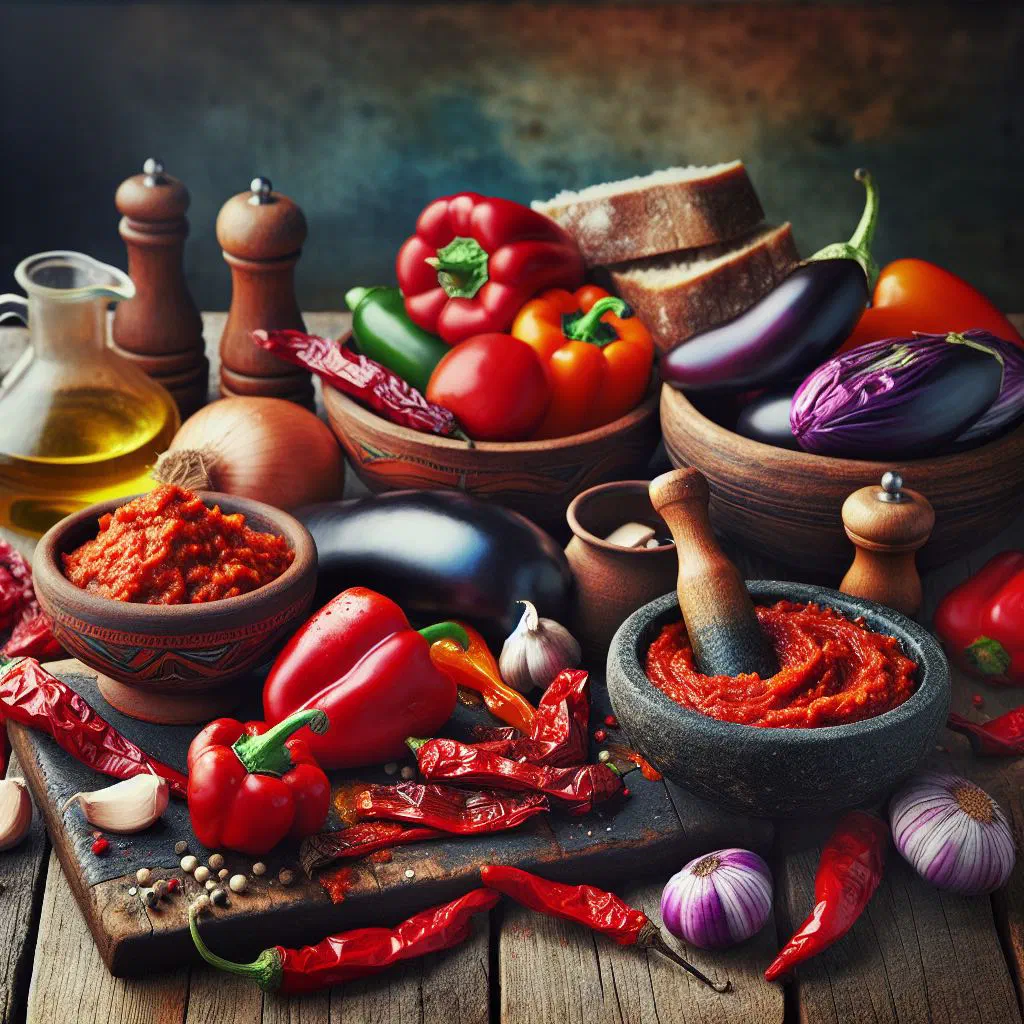
Discover Ajvar, the national dish of Montenegro and one of the great treasures of Balkan cooking. This glossy, deep-red relish of roasted peppers and aubergine tastes of late summer sunshine, woodsmoke and garlic, and it turns even the simplest slice of bread into something memorable. Made in enormous batches when the pepper harvest peaks, it is as much a ritual as a recipe, and once you have tasted a homemade jar, the shop-bought version will never quite satisfy again.
About Ajvar
Ajvar is not merely a fixture of Montenegrin cooking but very good for anyone who loves bold, honest flavours. Inspired by the wider Balkan region, this savoury pepper relish has won over countless palates. The harmony of roasted peppers, aubergine and garlic creates an unmistakable aroma prized right across the region. It is traditionally made and enjoyed during the summer months, when peppers are at their absolute peak and markets overflow with them.
Ingredients (serves 1–2)
- 3 large red peppers
- 1 small aubergine
- 2–3 cloves of garlic
- 2 tbsp olive oil
- 1 tsp salt
- 1 tsp pepper
- 1 tsp paprika powder
Shopping for the ingredients
To make a really successful ajvar, choosing fresh ingredients matters enormously. Look for high-quality peppers that feel firm and fully ripe, ideally with a bright, glowing red colour. The aubergine should likewise be fresh and firm, with no soft patches or discolouration. Store your garlic somewhere dry and well ventilated so it develops its full flavour before you use it.
Preparing the dish
Preparation is decisive when it comes to achieving the delicious taste of ajvar. Begin by roasting the peppers and the aubergine until their skins blister and darken. This gives the ajvar its smoky note, the backbone of its complex flavour. Once roasted, let the vegetables cool a little before you peel away the skins and remove the seeds, rushing this stage makes the job far messier than it needs to be.
Step-by-step instructions
- Roast the peppers and the aubergine in the oven at 200°C for about 30–40 minutes, until the skins turn black.
- Let the roasted vegetables cool slightly, then peel off the skins and remove the seeds.
- Roughly chop the roasted peppers and aubergine and tip them into a bowl.
- Add the chopped garlic, the olive oil, salt, pepper and paprika powder, and mix everything thoroughly.
- Blend the mixture with a stick blender until you reach an even consistency.
- Taste the ajvar and adjust the seasoning to your liking.
- Chill in the fridge for a few hours before serving, so the flavours deepen and settle.
Gluten-free / lactose-free version
Ajvar is naturally gluten-free and lactose-free, which makes it an excellent choice for anyone with those intolerances. You can adapt the recipe entirely as you please without ever needing to introduce gluten-containing ingredients. Enjoy it as a spread or a dip with no concerns whatsoever. Serve it with a gluten-free flatbread rather than a wheat loaf such as Pogaca, and the dish suits both keen eaters and those with specific dietary requirements.
Tips for vegans and vegetarians
Ajvar is ideal for vegans and vegetarians, since it contains nothing but plant ingredients. It is remarkably versatile: use it as a dip for vegetable sticks or as a spread on bread and rolls. To take the recipe further, add extra herbs such as basil or parsley. These not only boost the nutritional value but bring even more variety to the flavour, much as they do in a plate of Pecena Paprika.
More tips and tricks
To get the very best from your ajvar, a few tips and tricks are worth taking to heart. Leave the peppers in a covered container after roasting so they steam gently and the skins slip off far more easily. Experiment with other spices such as cumin or chilli for a different dimension of flavour. Storing the finished relish in a sterilised jar keeps it fresh and tasty for much longer. Serve it well chilled to let the full flavour come through.
Adapting the recipe to your taste
Ajvar is easy to adapt to personal preference. Add more garlic if you like a more assertive note, or bring in other vegetables such as courgette or carrot for a different direction altogether. If you prefer things hotter, work in a pinch of cayenne pepper or a fresh chilli. There are countless ways to make ajvar distinctive and appealing, and no two households make it quite the same way.
Ingredient substitutions
If you dislike aubergine, or simply have none to hand, you can replace it with additional peppers. Tomato purée is another option for improving the consistency and lending the ajvar a sweeter edge. Any vegetable with a similar texture can be introduced in the same way, the roasted courgettes used in Pohovane Tikvice work particularly well. The sheer variety of possible ingredients lets you be creative and invent your own version of ajvar.
Drink pairing ideas
Ajvar goes beautifully with a wide range of drinks. For a classic pairing, reach for a good red wine, especially one from the Balkan region. Alternatively, serve non-alcoholic options such as sparkling mineral water or a refreshing elderflower cordial. You can also underline the flavour of ajvar with a light beer or a homemade lemonade. Variety is the key to a successful meal.
Serving and presentation ideas
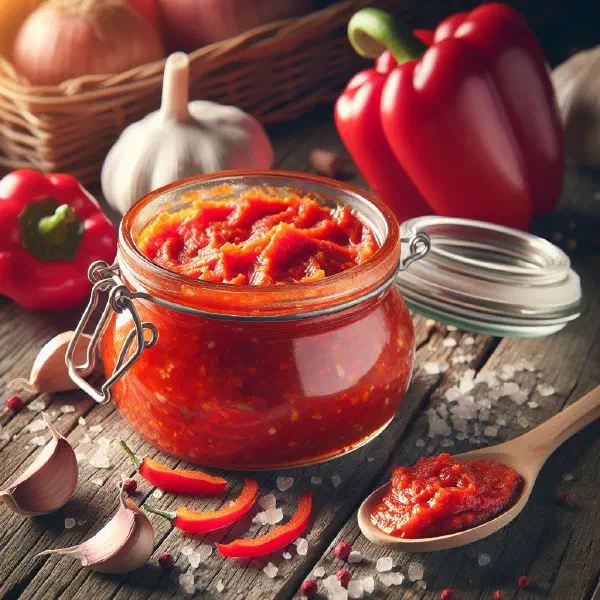
Presentation plays an important part in making ajvar feel even more inviting. Serve it in a decorative glass jar or a bowl, finished with a drizzle of fresh olive oil and, if you like, a scattering of chopped herbs. Offer plenty of fresh bread or crisp crackers alongside to show it off in both style and flavour. We eat with our eyes first, and an attractive presentation can raise your guests’ expectations considerably. Try it beside a board of Njeguski Prsut.
A bit of history
The roots of ajvar reach deep into the history of the Balkan region. It was traditionally made in family homes as a way of preserving vegetables for the winter months. Over time it grew into a much-loved dish, enjoyed in countless variations across the countries of the Balkan peninsula. It is a symbol of regional diversity and of the culinary culture of Montenegrin cuisine. Eating ajvar is not only a treat for the palate but a small piece of history on the plate.
More recipe ideas
Summary: Ajvar
Ajvar is a versatile, richly flavoured pepper relish that occupies a special place in Montenegrin and wider Balkan cooking. With a handful of simple ingredients you can produce something genuinely delicious, and it can be enjoyed in any number of variations. Whether as a dip, a spread or a side dish, ajvar remains a treasured favourite that enriches both traditional and modern ways of eating. Let the variety and the history of this dish work their magic, and enjoy a little piece of Montenegro.