National Dish Montenegro: Goulash (Recipe)
In this article
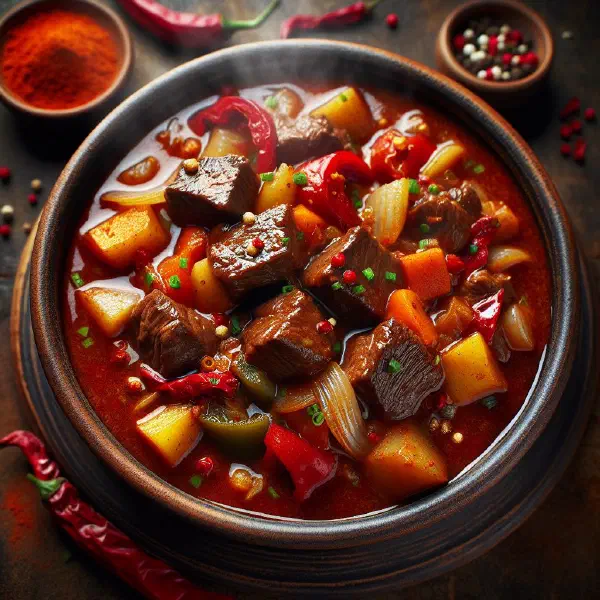
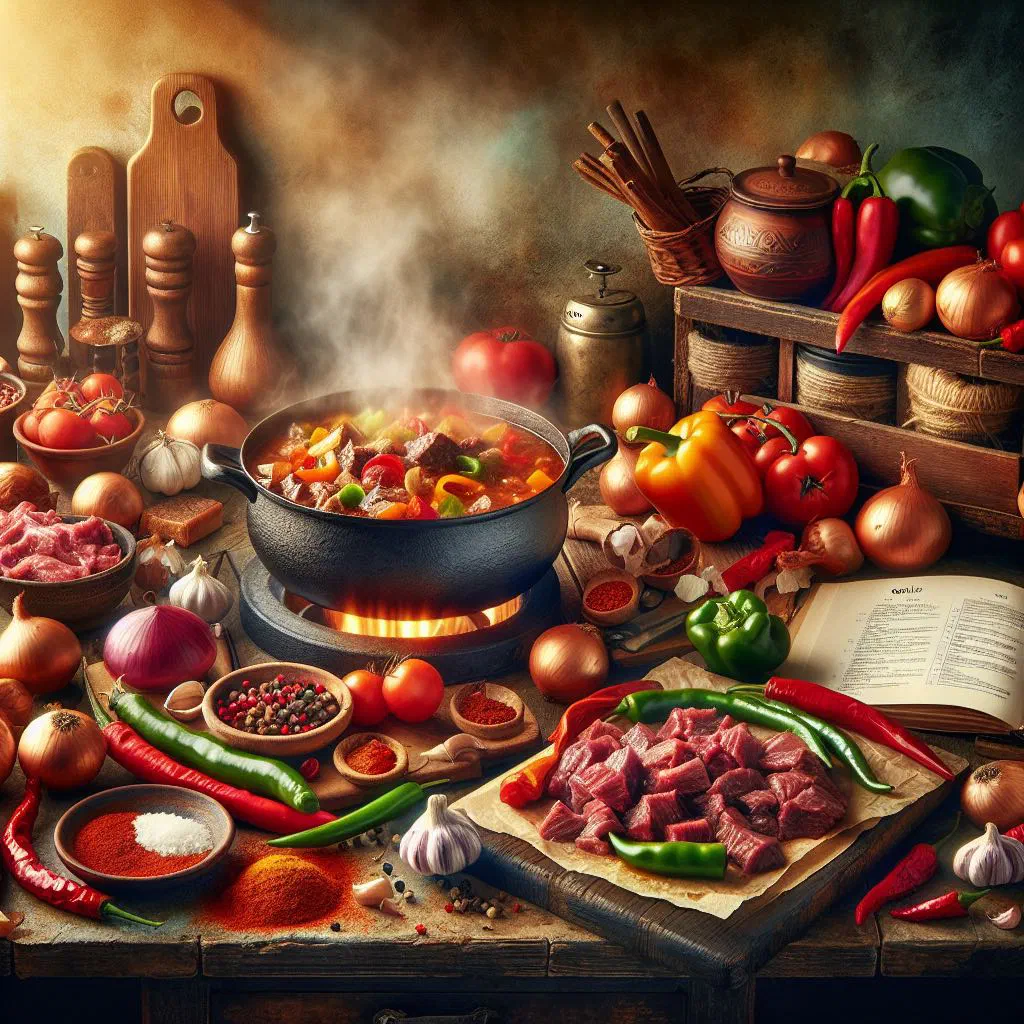
Discover Goulash, the hearty stew that captures the warm, unhurried spirit of Montenegro. Tender beef, sweet vegetables and a generous hand with the spices come together in a single pot that fills the kitchen with the unmistakable aroma of the Balkans. It is the kind of food made for long autumn evenings and full tables, where every spoonful carries a little of the country’s mountain hospitality. Let it inspire you to slow down and cook something truly comforting.
About Goulash
Goulash is far more than a traditional dish; it is a culinary experience that embodies the cultural richness of Montenegro. This hearty stew brings together tender meat, fresh vegetables and a balanced blend of spices typical of Balkan cuisine. It is most often served as an autumn or winter dish, when the days grow shorter and the evenings colder. Perfect for sociable nights with family and friends, it puts a piece of Montenegro on the table with every spoonful.
Ingredients (serves 1–2)
- 400 g beef, diced
- 2 large onions, finely chopped
- 2 cloves of garlic, crushed
- 2 carrots, sliced
- 1 pepper, diced
- 500 ml beef stock
- 2 tablespoons paprika powder
- 1 teaspoon cumin
- Salt and pepper to taste
- 2 tablespoons olive oil
Shopping for the ingredients
Making goulash calls for fresh, good-quality ingredients. A local market or health-food shop is the best place to find fresh vegetables and properly aged meat. Look for beef with plenty of marbling, as the fat is what gives the finished stew its tenderness and depth of flavour. Do not forget to top up your spice rack either, the right spice blend is what gives goulash its unmistakable character.
Preparing the dish
Once you have gathered everything, a little preparation goes a long way. Start by cutting the meat into even cubes and chopping the vegetables. Larger pieces can cook unevenly, so it is worth cutting the ingredients to a uniform size. The vegetables should be prepared carefully too, since their size affects both the cooking time and the final texture and taste of the stew.
Step-by-step instructions
- Heat the olive oil in a large pot over medium heat.
- Add the chopped onions and fry until golden brown.
- Add the diced beef and brown it for about 5 minutes, until sealed on all sides.
- Stir in the garlic and vegetables and cook for a further 5 minutes.
- Sprinkle over the paprika powder and cumin and stir everything together well.
- Pour in the beef stock, bring to the boil, then reduce the heat.
- Let the goulash simmer for at least 1.5 hours, until the meat is meltingly tender.
- Season with salt and pepper and serve hot.
Gluten-free / lactose-free version
Goulash is easily made gluten-free and lactose-free. Use pure ground pepper and spices without anti-caking agents, and swap the beef stock for a certified gluten-free version. Check that the meat contains no additives that might hide traces of gluten. For a lactose-free result no changes are needed at all, since the recipe uses no dairy products whatsoever.
Tips for vegans and vegetarians
For a vegan or vegetarian version, replace the meat with vegetables such as aubergine, courgette or potato, much as you would for Duvec. A mix of different vegetables keeps the goulash colourful as well as flavourful. The stock should of course be plant-based in this case. Season generously to bring out the individual character of each vegetable.
More tips and tricks
To make the goulash even more aromatic, add extra herbs such as thyme or a couple of bay leaves. These lend a deeper, rounder note that makes the stew far more interesting. It is also well worth letting the dish rest overnight in the fridge so the flavours can settle and intensify. Reheated goulash very often tastes better than it did on the first day.
Adapting the recipe to your taste
The basic goulash recipe is flexible and adapts readily to personal preference. You can dial the heat up or down by adding chilli or cayenne pepper, for instance. The choice of meat is open too, pork or poultry both work beautifully. Experiment with different vegetables until you have created a goulash that is entirely your own.
Ingredient substitutions
Missing an ingredient? No problem, most components of a goulash can be swapped out. Instead of beef you might use chicken or mutton, the latter echoing the flavours of Brav U Mlijeku. For vegans, tofu or seitan makes an excellent stand-in. The vegetables can change as well, according to the season and your own taste. Simply get creative.
Drink pairing ideas
A good goulash pairs wonderfully with a range of drinks. A regional red wine such as a Vranac brings out the savoury depth of the dish beautifully. For a non-alcoholic option, a glass of refreshing sparkling mineral water or a homemade lemonade does the job nicely.
Serving and presentation ideas
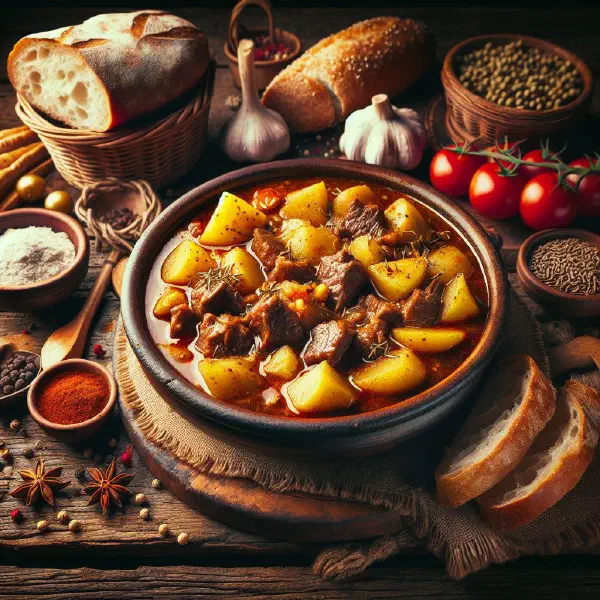
Presenting goulash can be simple yet effective. Serve it in a deep bowl and garnish with freshly chopped parsley or chives. This adds colour and a welcome note of freshness. A few slices of crisp, crusty bread or a rustic loaf such as Pogaca round the meal off perfectly, and a spoonful of Ajvar on the side never goes amiss.
A bit of history
Goulash has a long history and originally comes from Hungary, where it was introduced by nomadic herders. Over the centuries it spread and evolved across the various countries of the Balkans. Local ingredients and cooking methods have given the Montenegrin version its own distinct character, and it sits comfortably alongside the region’s other slow-cooked classics within Montenegro cuisine. Today it is a much-loved dish, served at festive occasions and family gatherings alike.
More recipe ideas
Summary: Goulash
Goulash is a hearty and delicious dish that perfectly embodies the flavours and culture of Montenegro. With its variety of ingredients and straightforward preparation, it suits any occasion, from a simple family dinner to a festive celebration. The ease with which the recipe can be adapted to individual tastes makes it a genuinely versatile culinary experience. Let the flavours of Montenegro win you over and enjoy cooking this traditional classic.