National Dish Montenegro: Kukuruzni Hleb (Recipe)
In this article
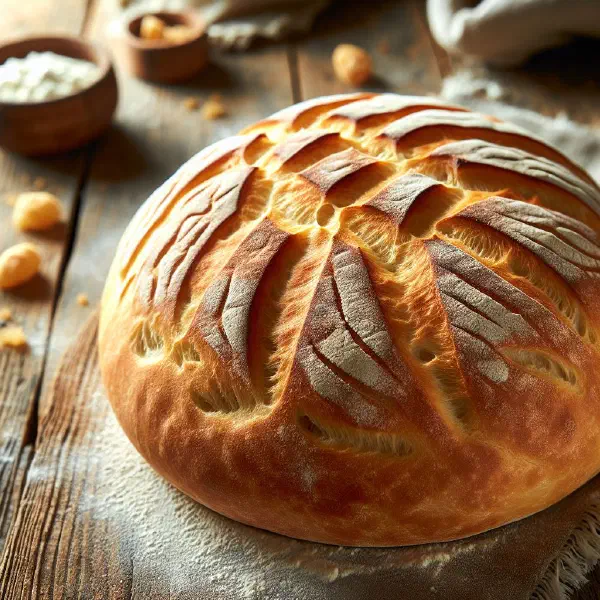
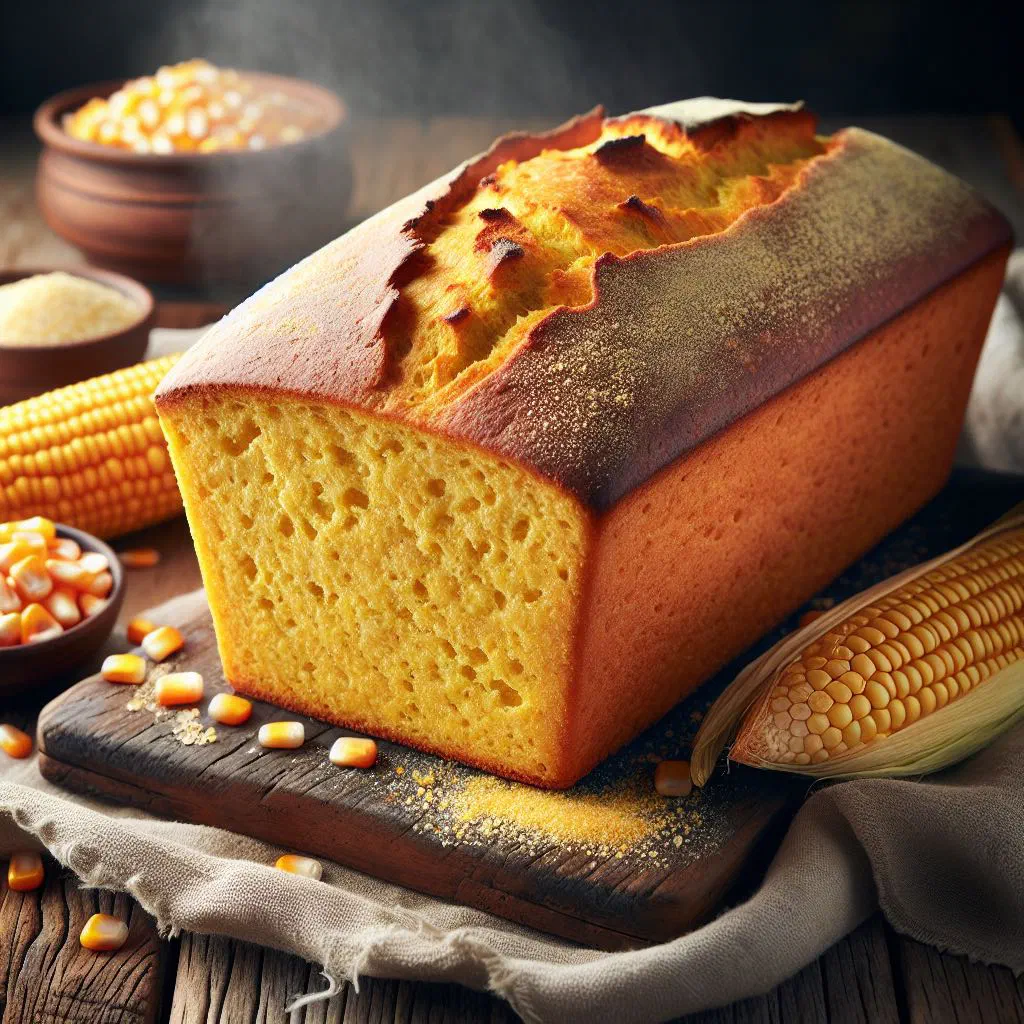
Meet Kukuruzni Hleb, the golden corn bread that has fed Montenegrin households for generations. Made from little more than maize flour, water and a splash of good olive oil, it bakes up with a crisp, deeply burnished crust and a soft, faintly sweet crumb. It is the natural partner to a bowl of hearty stew, and every bit as happy under a thick smear of butter and a slice of sharp cheese. Few breads give back so much for so little effort.
About Kukuruzni Hleb
Kukuruzni hleb is a traditional corn bread baked with real enthusiasm across Montenegro. It counts as an essential part of the country’s food culture and turns up just as often at family tables as at festive gatherings. The combination of good-quality maize flour and a short preparation time is a large part of why it remains so popular. Every bite carries the story of Montenegrin tradition and the cooking of the region.
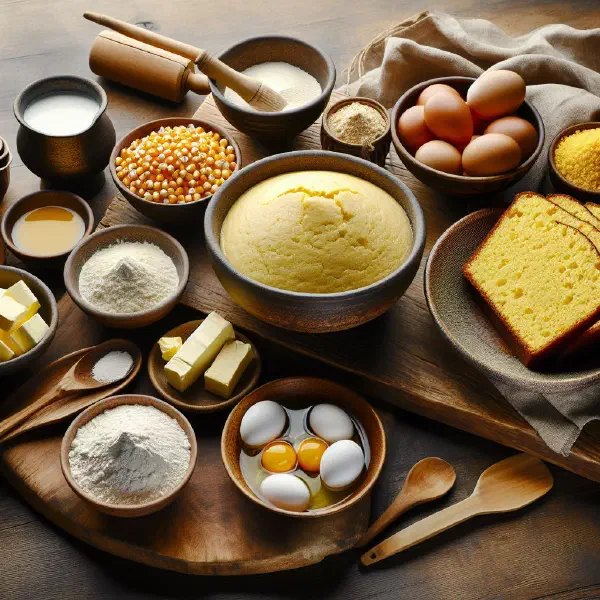
Ingredients (serves 1–2)
- 200 g maize flour
- 100 g plain wheat flour
- 300 ml water
- 30 ml olive oil
- 1 sachet dried yeast
- 1 teaspoon salt
Shopping for the ingredients
Fresh, good-quality ingredients make all the difference to Kukuruzni Hleb. Maize flour is stocked by most supermarkets and health-food shops, while plain wheat flour is available in any grocery aisle. Olive oil and dried yeast are equally easy to find, and both do a great deal for the texture and flavour of the finished loaf. Where you can, choose locally milled maize flour. It does the most to support an authentic taste.
Preparing the dish
Getting ready to bake kukuruzni hleb is straightforward and takes very little time. Begin by setting out all the ingredients and measuring them carefully. Blending the two flours in the right proportion is what gives the loaf its pleasant consistency. Make sure you have a large mixing bowl and a baking tray to hand so the process runs smoothly from start to finish.
Step-by-step instructions
- Preheat the oven to 200 °C.
- Mix the maize flour, wheat flour, salt and dried yeast together in a large bowl.
- Add the water and the olive oil, then knead the dough thoroughly until it is smooth and supple.
- Leave the dough to rest for around 30 minutes, until it has risen.
- Shape the loaf as you like it and place it on a tray lined with baking paper.
- Bake the bread for 30–40 minutes, until the crust is golden brown.
- Let the loaf cool a little after baking, then serve.
Gluten-free / lactose-free version
It is perfectly possible to bake gluten-free kukuruzni hleb by swapping the wheat flour for a gluten-free flour blend. Choose a mix that works well alongside maize flour so that both the consistency and the flavour hold up. The recipe is already lactose-free, since olive oil takes the place of any dairy, so nothing needs changing on that front. That way the bread suits everyone at the table.
Tips for vegans and vegetarians
Good news for vegans and vegetarians: kukuruzni hleb is naturally plant-based. Stick to the quantities above and there is no animal produce anywhere in the loaf. It is excellent with vegan spreads and dips, which add another layer of flavour, a spoonful of Ajvar is the classic Balkan choice. Experiment with different vegetable sides as well for a healthy and satisfying meal.
More tips and tricks
To deepen the aroma of kukuruzni hleb, try working herbs and spices into the dough. Fresh rosemary leaves or a little thyme give the bread a distinctive character. Scattering grated cheese over the top before it goes into the oven adds another dimension of flavour again, the mild, salty Njeguski Sir is ideal here. Give it a go and find the version you like best.
Adapting the recipe to your taste
The real charm of kukuruzni hleb is how adaptable it is. Shift the ratio of maize to wheat flour as you please to change the texture and the flavour to suit yourself. You can also fold in nuts or dried fruit to lift both the appearance and the nutritional value. Play with the ingredients until you have a loaf that fits your own preferences exactly.
Ingredient substitutions
If you have no maize flour in the cupboard, oat flour makes a fine stand-in and gives the bread a different but very tasty texture. Rapeseed oil or coconut oil can replace the olive oil if you want to explore other flavour directions. For a heartier, more rustic loaf, add roughly chopped nuts or mixed seeds to create a crunchy contrast to the soft crumb.
Drink pairing ideas
Plenty of drinks go beautifully with a slice of kukuruzni hleb. A glass of red wine, a full-bodied Montenegrin Vranac, for instance, offers a lovely contrast to the savoury bread, much as it does with a rich Vranac Gulas. For something without alcohol, freshly squeezed orange juice or a herbal tea makes a refreshing accompaniment. Experiment until you find the pairing that suits your occasion.
Serving and presentation ideas
Presentation counts for a lot, and kukuruzni hleb offers plenty of scope. Serve the bread warm on a rustic wooden board, garnished with fresh herbs or a generous spread. Set out small bowls of different dips alongside to bring out the colours and textures on the table. A little care here turns the loaf into a visual centrepiece that guests remember.
A bit of history
Kukuruzni hleb has its roots in rural Montenegrin tradition, where maize has long been a staple crop. The bread has outlasted the centuries and stands for the close bond between people, the land and their farming practices. It is baked for festive occasions, certainly, but it is just as much an everyday food. Many families guard their own traditional versions, handed down through the generations along with the rest of Montenegrin cuisine.
More recipe ideas
Summary: Kukuruzni Hleb
Kukuruzni hleb is a traditional and thoroughly satisfying corn bread that embodies the rich culture of Montenegro. Its simple method makes it an ideal side dish, or a small meal in its own right. With so many variations and so much room for adjustment, it is a bread that earns a place in any kitchen. Let its range of flavours inspire you and enjoy a taste of Montenegrin cooking at home.