National Dish Montenegro: Musaka (Recipe)
In this article
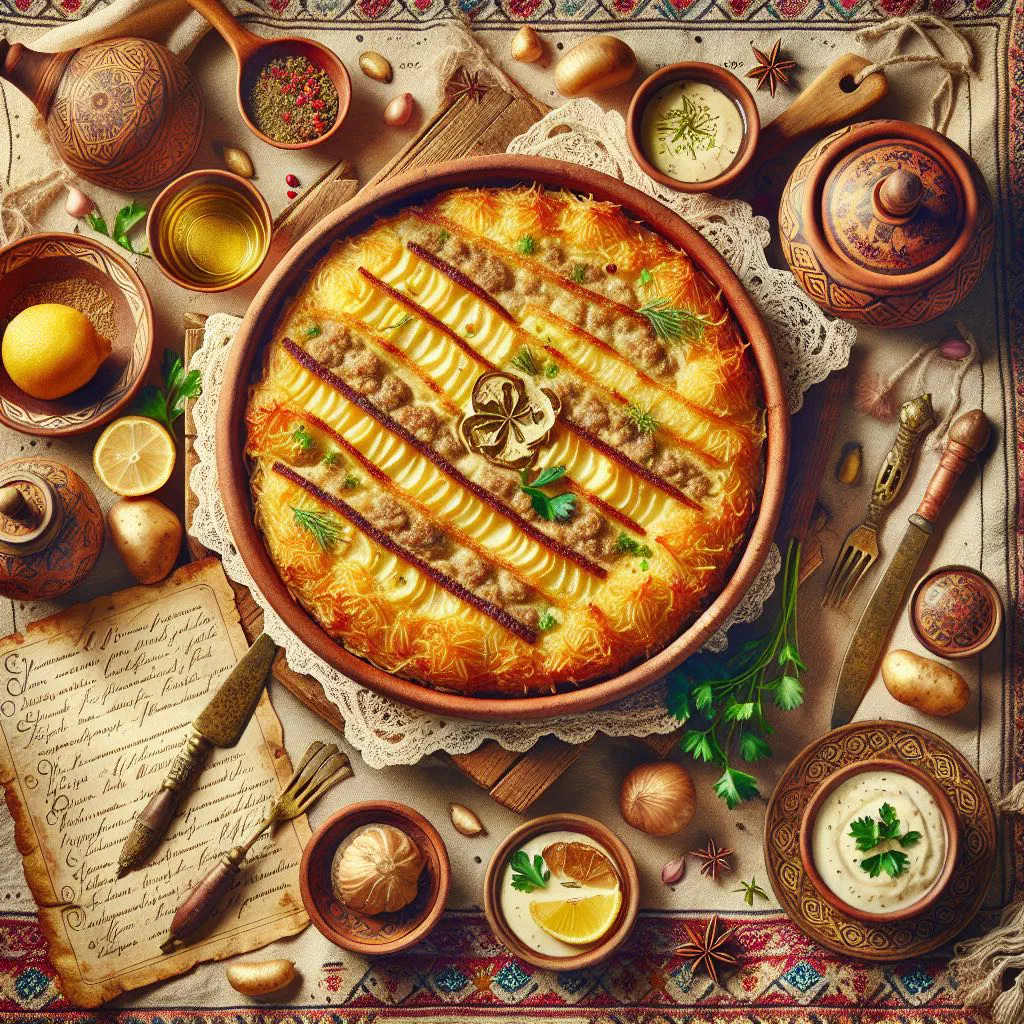
Discover Musaka, the hearty layered bake that sits at the heart of Montenegrin home cooking. Tender slices of aubergine and potato are stacked with richly seasoned minced meat, then blanketed in a creamy béchamel sauce and baked until the top turns deep golden. It is generous, warming food made from simple ingredients, and every forkful carries a little of the Balkans with it. Bring a taste of Montenegro straight to your own table.
About Musaka
Musaka is a traditional Montenegrin dish found in countless variations right across the Balkans. It is a substantial oven bake that wins people over above all through the combination of aubergines, potatoes and minced meat. The preparation brings together simple but good-quality ingredients that develop a delicious harmony in the oven. With every bite you enjoy the flavour, and a piece of Montenegrin culture.
Ingredients (serves 1–2)
- 2 medium aubergines
- 3–4 medium potatoes
- 300 g minced meat (beef or lamb)
- 1 onion
- 2 cloves of garlic
- 200 ml béchamel sauce
- Oil, for frying
- Salt and pepper to taste
- Spices (paprika, oregano)
Shopping for the ingredients
Shopping for musaka is straightforward, as most of what you need is available in any ordinary supermarket. Pay particular attention to the quality of the aubergines and potatoes, since they are the backbone of the dish. Fresh minced meat matters for a full, rounded flavour, and choosing a good oil will lift the overall impression another notch. Spices can be picked to suit your own palate, letting you set your own accents.
Preparing the dish
Preparing musaka happens in several stages, which is what allows the flavours to show at their best. Begin by slicing the aubergines and potatoes, then salt the aubergine slices lightly to draw out any bitterness. Next, finely chop the onion and garlic and mix the minced meat with your chosen spices. These steps make sure every component is properly prepared, so the flavours come together in the oven exactly as they should.
Step-by-step instructions
- Slice the aubergines, salt them lightly and leave to stand for around 20 minutes.
- Peel the potatoes and cut them into thin slices.
- Heat oil in a pan and fry the onion and garlic until translucent.
- Add the minced meat and fry until cooked through.
- Rinse the aubergine slices, pat them dry and briefly fry them in the pan.
- Grease an ovenproof dish and layer up the potatoes, minced meat and aubergines in turn.
- Cover the layers with the béchamel sauce and slide the dish into the preheated oven.
- Bake at 180°C for about 45 minutes, until the surface is golden brown.
Gluten-free / lactose-free version
For a gluten-free and lactose-free musaka, replace the béchamel with a sauce based on rice flour, or simply use coconut milk. Instead of conventional minced meat you can also work with plant-based mince or a mixture of lentils and vegetable crumb. Check that your oil and spice blends are certified gluten-free so the finished bake stays safe from start to finish. These small adjustments mean that people with particular dietary needs can enjoy this traditional dish too.
Tips for vegans and vegetarians
If you would like to cook musaka vegan or vegetarian, swap the minced meat for a mixture of vegetables and pulses. A combination of courgette, mushrooms and either chickpeas or lentils makes for a nourishing, satisfying filling. Use plant-based milk and flour for the béchamel to achieve that same creamy texture. With the right herbs and spices the dish remains every bit as rich and rewarding, much like a meat-free take on Punjene Paprike.
More tips and tricks
There are a few tricks that will noticeably improve your musaka. Let the individual layers cool briefly before you stack them, so the aromas have time to settle and mingle. Freshly chopped herbs such as parsley or thyme add welcome depth of flavour. A scattering of grated cheese before baking gives a particularly crisp, golden crust, should you be happy with a non-vegan version.
Adapting the recipe to your taste
The beauty of musaka lies in its flexibility, which lets you shape the recipe entirely around your own preferences. Experiment with different vegetables, or use another meat such as chicken or pork. Changing the spice mix alone can lead to a completely new flavour experience, the kind of variation you also find in a Duvec. Give your creativity free rein and combine the flavours you enjoy most.
Ingredient substitutions
Sometimes not everything is to hand, so it helps to know your alternatives. Instead of béchamel sauce, for instance, you can use yoghurt or a plant-based cream. Sweet potatoes make a healthy and tasty stand-in for ordinary potatoes. And if you have no aubergines, courgettes will do the job nicely, or you can simply use more potato to achieve a similar structure.
Drink pairing ideas
The ideal drink alongside musaka is a fresh wine that underlines the flavours of the bake. Lightly sparkling mineral water with lemon also works well, balancing the richness and the seasoning. Anyone who prefers something stronger might try a classic Montenegrin rakija to intensify the whole experience. Drinks like these complement the savoury notes perfectly and round the meal out.
Serving and presentation ideas
For an appealing presentation, bring the musaka to the table straight in its baking dish for a rustic, homely feel. A sprig of fresh herbs or a thin slice of fried aubergine laid on top lifts the look considerably. Adding colourful vegetables or a crisp salad, a Salata Od Kupusa is a natural choice, creates a lovely contrast on the plate. Touches like these raise not just the visual appeal but the whole dining experience.
A bit of history
Musaka has a long history and has been cooked across the Balkans for centuries. Originally from the Mediterranean regions, the recipe was gradually enriched with local ingredients and traditions. Every family has its own version, and the preparation varies by region and personal taste. Musaka counts not only as a main course but as an expression of hospitality and of the culinary variety of Montenegrin cuisine.
More recipe ideas
Summary: Musaka
In short, musaka is a flavourful and versatile dish that adapts easily to all kinds of dietary needs. Whether vegetarian, vegan or gluten-free, a little creativity is all it takes to enjoy this Mediterranean pleasure in your own kitchen. The pleasing interplay of the different layers turns every meal into something of an occasion. Let Montenegrin cooking inspire you and treat yourself to a proper taste of the Balkans.