National Dish Montenegro: Palacinke (Recipe)
In this article
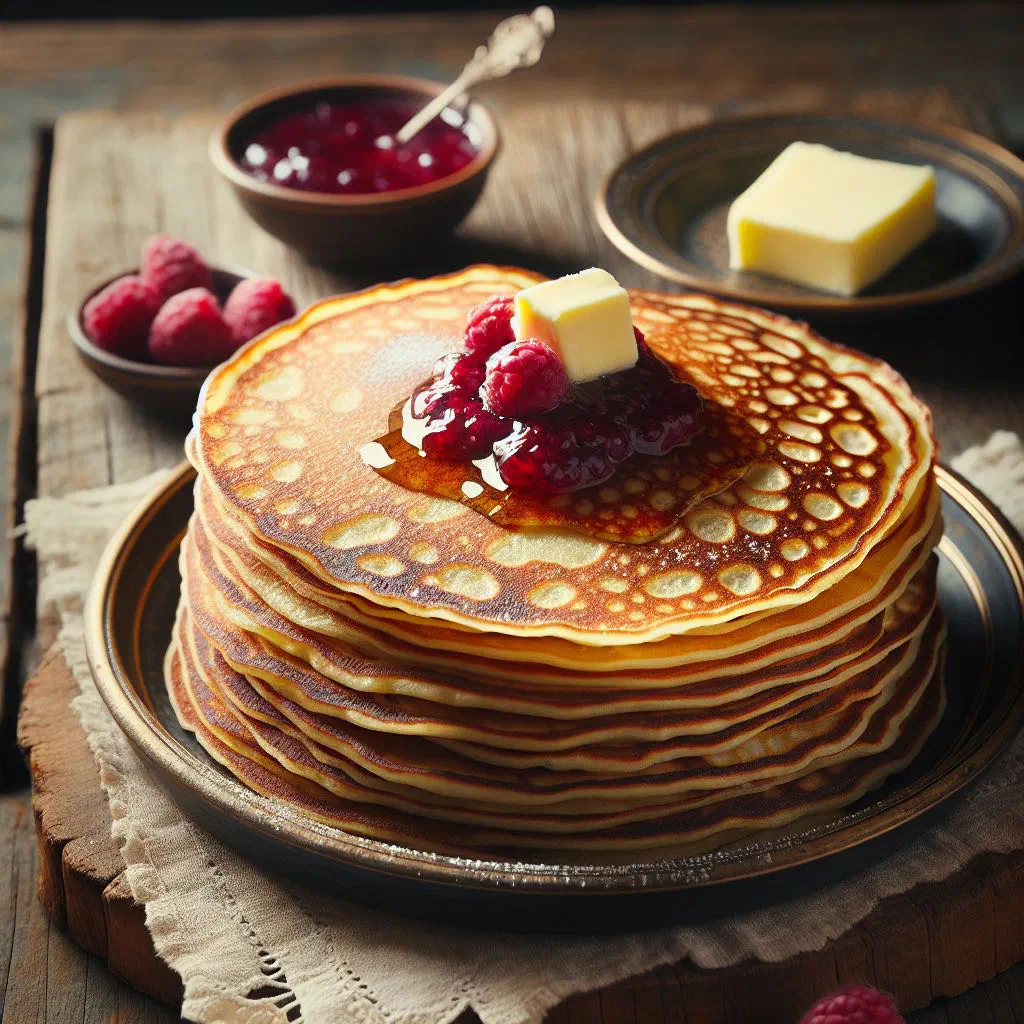
Meet Palačinke, the featherlight pancakes that Montenegrins reach for at breakfast, at teatime and for pudding alike. Thin, tender and just a little lacy at the edges, they are rolled around chocolate spread, jam or chopped nuts, or filled with cheese and herbs when a savoury mood strikes. The batter takes minutes, the pan does the rest, and a stack of them disappears remarkably quickly.
About Palačinke
Palačinke are a traditional dish from Montenegro that is loved right across the Balkans and far beyond. These delicate pancakes are wonderfully versatile, working equally well sweet or savoury. They are most often filled with chocolate, jam or nuts, but the variations are endless. Tender, quick and generous, they suit breakfast, dessert or a mid-afternoon snack with equal ease.
Ingredients (serves 1–2)
- 100 g plain flour
- 1 large egg
- 250 ml milk
- A pinch of salt
- 1 tablespoon sugar (optional)
- Butter or oil, for frying
Shopping for the ingredients
The ingredients for palačinke are easy to find in almost any supermarket. Plain flour is the usual choice, though spelt flour works nicely too. Pick up fresh eggs and good-quality milk, as both make a real difference to the flavour and texture of the finished pancakes. It is also worth buying a few fillings and toppings while you are there, chocolate sauce, fresh fruit or yoghurt all let you finish the dish exactly to your liking.
Preparing the dish
Before you start, make sure everything you need is within reach. Take a decent mixing bowl and a whisk, or use an electric mixer if you prefer. The batter needs to be thoroughly combined so that it has an even, lump-free consistency. Once mixed, let it rest for a short while so the flour can swell. This is the small step that makes the pancakes light and supple rather than rubbery.
Step-by-step instructions
- Beat the egg in a bowl and whisk in the milk.
- Add the flour, salt and sugar and mix well until you have a smooth batter.
- Heat a frying pan over a medium heat and add a little butter or oil.
- Pour in a ladleful of batter and swirl the pan so it spreads evenly.
- Fry for 1–2 minutes, until the underside is golden brown, then flip carefully.
- Cook the other side for another 1–2 minutes and repeat with the remaining batter.
Gluten-free / lactose-free version
For a gluten-free take on palačinke, use rice flour or buckwheat flour in place of wheat flour. Both give a comparable texture and a pleasant, mildly nutty flavour. If you want them lactose-free, reach for lactose-free milk or a plant-based option such as almond or oat milk. The method stays exactly the same, and the result is every bit as good.
Tips for vegans and vegetarians
For a vegan version, replace the egg with 1 tablespoon of ground flaxseed mixed with water, or with a spoonful of apple purée. Either one binds the batter and keeps the pancakes moist. Any plant milk will stand in for dairy, soya and oat are both reliable. With those two swaps, vegans can enjoy this Montenegrin classic without missing a thing.
More tips and tricks
To make your palačinke especially tender and fragrant, add a pinch of vanilla or cinnamon to the batter. Letting the mixture rest for a few minutes after mixing gives the ingredients time to come together properly. Heating the pan a touch higher encourages a lovely lacy edge. And do not be stingy with the butter or oil. It is what gives the pancakes their flavour as well as a clean release from the pan.
Adapting the recipe to your taste
Palačinke are easy to bend to your own preferences. Try different fillings such as fresh fruit, chocolate hazelnut spread or curd cheese. For savoury versions, fill them with spinach, sheep’s cheese or mushrooms, much the same soft white cheese that gives Pita Sa Sirom its character. Sweet or savoury, a little imagination turns every palačinka into something worth talking about.
Ingredient substitutions
If you would rather not use refined sugar, honey or agave syrup make good sweeteners. Should plain flour not suit you, almond or coconut flour are workable alternatives, though they drink up a little more liquid. The fillings offer even more scope: try yoghurt with fresh berries, or stay with the classic spoonful of jam. Fruit fillings like these also turn up in Pita Od Bundeve.
Drink pairing ideas
Palačinke go happily with all sorts of drinks. A glass of freshly squeezed orange juice or a cup of aromatic tea is a natural match for the sweet versions. Milkshakes and smoothies work well too, adding a creamy note alongside the pancakes. Strong Balkan coffee is the traditional accompaniment if you are serving them in the afternoon.
Serving and presentation ideas
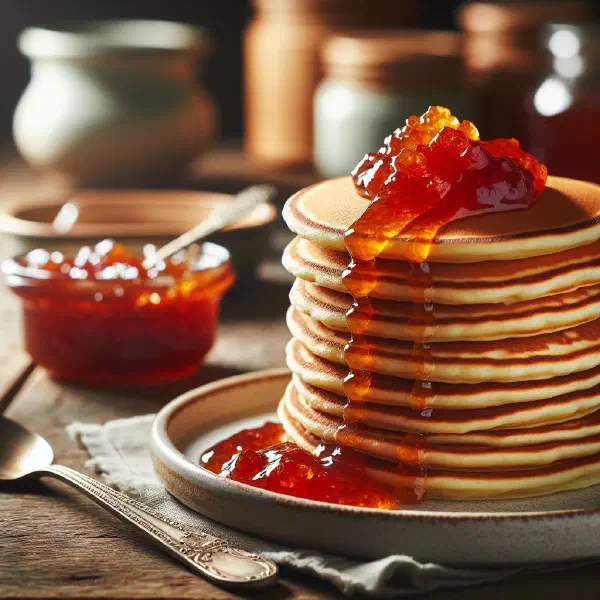
To show your palačinke off properly, arrange them on a plain plate and dust generously with icing sugar. Garnish with fresh fruit such as raspberries or sliced banana for a splash of colour. A drizzle of chocolate syrup or a sprig of mint finishes the plate nicely. Roll them, fold them into quarters or stack them high, presentation is what makes the dish look as good as it tastes.
A bit of history
Palačinke have their roots in the traditional cooking of the Balkans and are a cornerstone of Montenegrin food culture. The pancakes have long stood as a small symbol of hospitality and are regularly offered at celebrations and family gatherings, alongside sweets like Baklava. The sheer range of fillings and preparations reflects the cultural variety and rich heritage of the region. Today they are known well beyond the country’s borders, yet they remain a defining part of Montenegrin cuisine.
More recipe ideas
Summary: Palačinke
In short, Palačinke are the perfect dish for just about any occasion and refreshingly simple to make. They offer endless room for adjustment, whether in sweetness or in filling. Experiment with different ingredients and presentation ideas, and every palačinka becomes a small masterpiece of its own.