National Dish Montenegro: Pogača (Recipe)
In this article
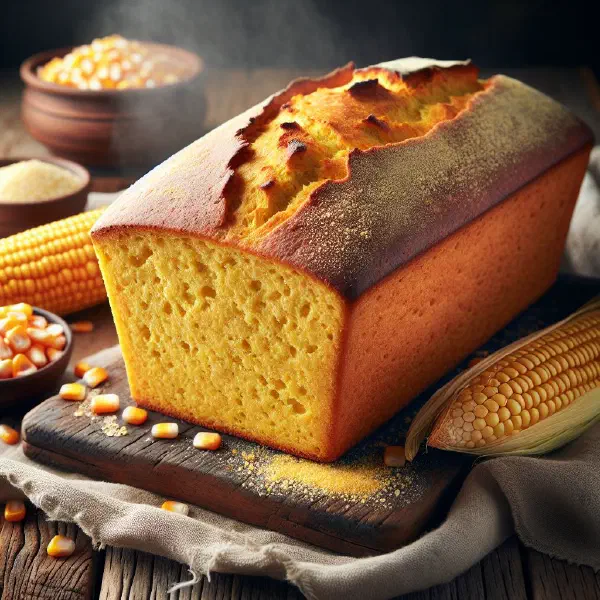
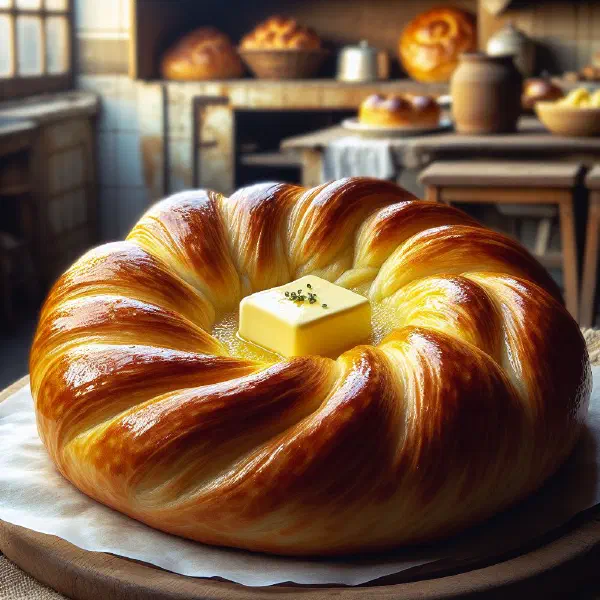
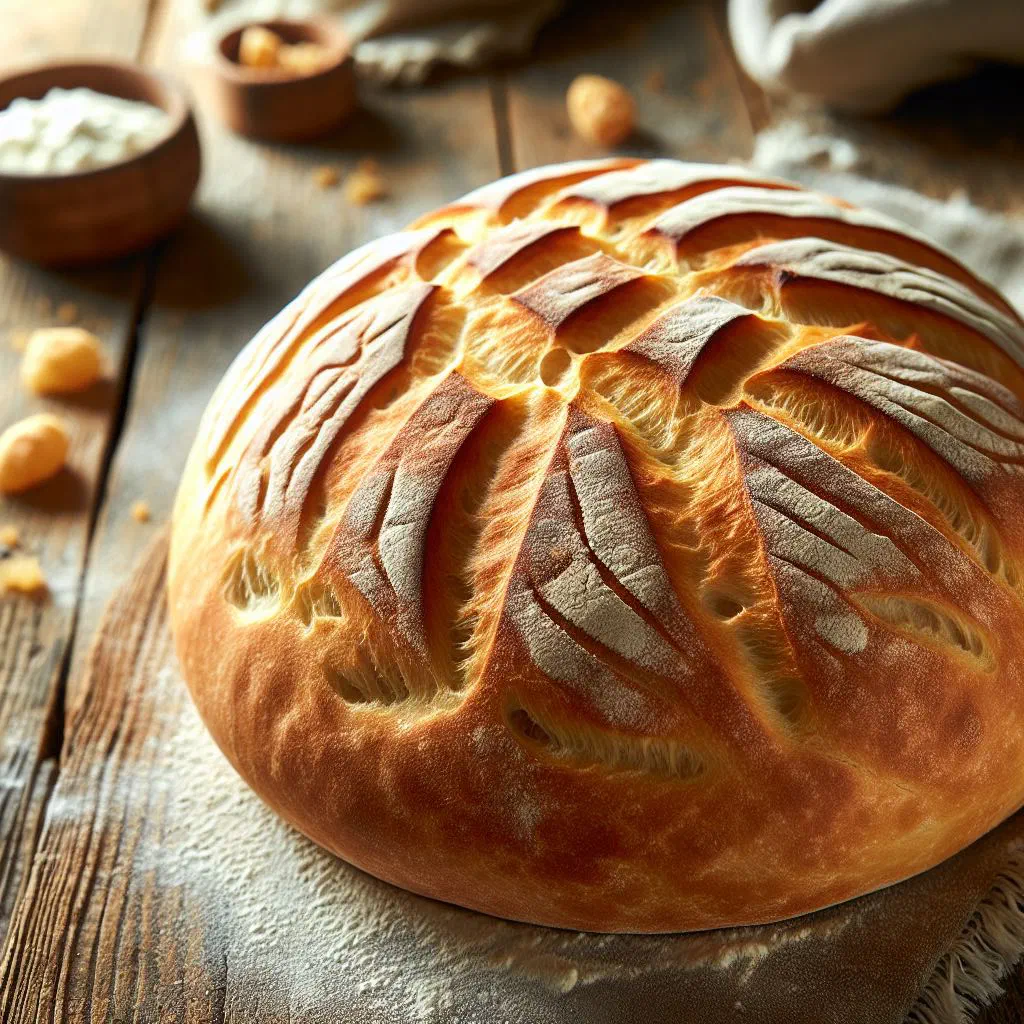
Meet Pogača, the round, golden loaf that sits at the heart of almost every Montenegrin kitchen. A crackling crust gives way to a soft, airy crumb, making it the ideal partner for grilled meats, cheeses and slow-cooked stews, or simply a slice torn off and dipped in good olive oil. Few breads are this easy to bake, and few bring quite so much of the Balkans to your table with so little effort.
About Pogača
Pogača is a traditional Montenegrin bread that plays an important part in daily home cooking. With its crisp crust and soft, airy texture, it is the perfect companion to a wide range of dishes. Pogača brings a piece of Montenegro straight to your table. The bread is delicious and straightforward to make, which is exactly why it suits the everyday menu so well.
Ingredients (serves 1–2)
- 300 g flour
- 200 ml water
- 1 teaspoon salt
- 1 teaspoon sugar
- 1 sachet dried yeast
- Olive oil, for brushing
Shopping for the ingredients
Shopping for pogača could hardly be simpler, as most of what you need is already part of a standard store cupboard. The flour can be plain wheat or spelt, depending on what you prefer. Do pay attention to quality in the basics, particularly the yeast, since that is what determines how well the loaf rises. All of these ingredients are available in any supermarket or at the weekly market.
Preparing the dish
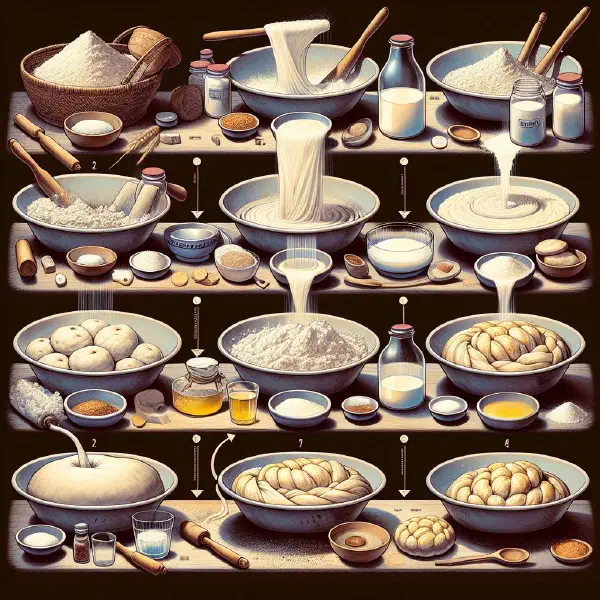
Before you start baking pogača, measure out and prepare the ingredients carefully. Sift the flour into a large bowl. This helps avoid lumps and encourages a lighter crumb. Mix the dried yeast and the sugar with lukewarm water and leave it to stand for a few minutes until it begins to foam. That foam is the sign that the yeast is active and ready to work, which is what gives the bread its proper rise.
Step-by-step instructions
- Combine the flour and salt in a large bowl.
- Add the lukewarm water with the dissolved yeast and sugar.
- Mix everything thoroughly and knead to a smooth dough.
- Cover the dough and leave it in a warm place for about 30–60 minutes, until well risen.
- Roll the dough out and shape it as you like.
- Brush with olive oil and score the surface to taste.
- Bake in a preheated oven at 200°C for around 20–25 minutes, until golden brown.
Gluten-free / lactose-free version
Pogača can just as easily be made gluten-free by using a gluten-free flour blend. Check that the other ingredients, such as the yeast and sugar, are certified gluten-free as well. For a lactose-free loaf, simply stick to plain olive oil rather than butter or other dairy-based fats. That makes pogača enjoyable for anyone avoiding gluten or lactose.
Tips for vegans and vegetarians
For vegans, pogača is an ideal choice, as it contains no animal products at all. Even so, it is worth checking the ingredient labels to make sure no unexpected additives have crept in. The bread can be served with all manner of plant-based spreads and dips, which makes it a great option for vegans and vegetarians alike. Because pogača is so versatile, it adapts effortlessly to different tastes and diets, much like a plate of Pecena Paprika.
More tips and tricks
One of the best ways to bake an outstanding pogača is to use a pizza stone in the oven, which boosts the crispness of the base. It also helps to let the loaf cool briefly after baking so the crust firms up further. If you would like to add a personal touch, work fresh herbs or garlic into the dough. Small adjustments like these give the traditional recipe a character of its own.
Adapting the recipe to your taste
Pogača is remarkably adaptable and can be varied to suit almost any preference. Try different flours, or fold in ingredients such as olives, nigella seeds or rosemary to shift the flavour. The shape and size are equally flexible: anything from small rolls to a single large loaf works well. Variations of this kind make the bread all the more interesting, whether you serve it with Ajvar or a bowl of stew.
Ingredient substitutions
If you find yourself short of a particular ingredient, there are plenty of alternatives to fall back on. White flour, for example, can be replaced with wholemeal flour, which gives the bread more nutrients and a deeper flavour. For a gently sweeter note, use honey in place of the sugar. Substitutions like these not only change the taste but can also improve the nutritional quality of the loaf.
Drink pairing ideas
Pogača goes beautifully with a range of drinks that lift the whole meal. A freshly pressed fruit juice or a lightly chilled white wine both make excellent companions. A robust red wine also harmonises wonderfully with this hearty bread, particularly alongside grilled dishes such as Meso Sa Rostilja. Your choice can vary with whatever you serve on the side, turning every meal into an occasion.
Serving and presentation ideas
To present pogača attractively, place the loaf on a rustic serving platter and decorate it with fresh herbs. Serving it on a wooden board underlines its traditional character. Offer it with olive oil, balsamic vinegar and fresh vegetables to create a proper spread, a few slices of Njeguski Prsut alongside never go amiss. This makes any meal not only tasty but genuinely inviting to look at.
A bit of history
Pogača has its origins in the traditional kitchens of the Balkans and has been baked there for centuries. It is a symbol of hospitality and is often served on festive occasions. The way it is made varies from region to region, reflecting the cultural diversity of the country and of Montenegrin cuisine more broadly. To this day pogača holds a firm place in Montenegrin food culture and remains hugely popular.
More recipe ideas
Summary: Pogača
Pogača is not merely a simple bread but a culinary link to Montenegro. With its crisp crust and soft texture, it is endlessly useful in the kitchen and will quickly become a favourite at home. The method is easy, and with these tips you can bake a delicious loaf of your own. Enjoy that traditional Montenegrin feeling and share it with family and friends.