National Dish Montenegro: Zapečeni Pasulj (Recipe)
In this article
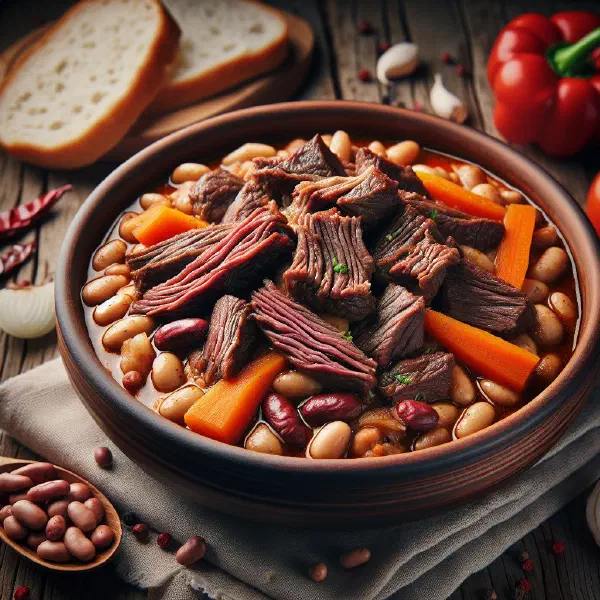
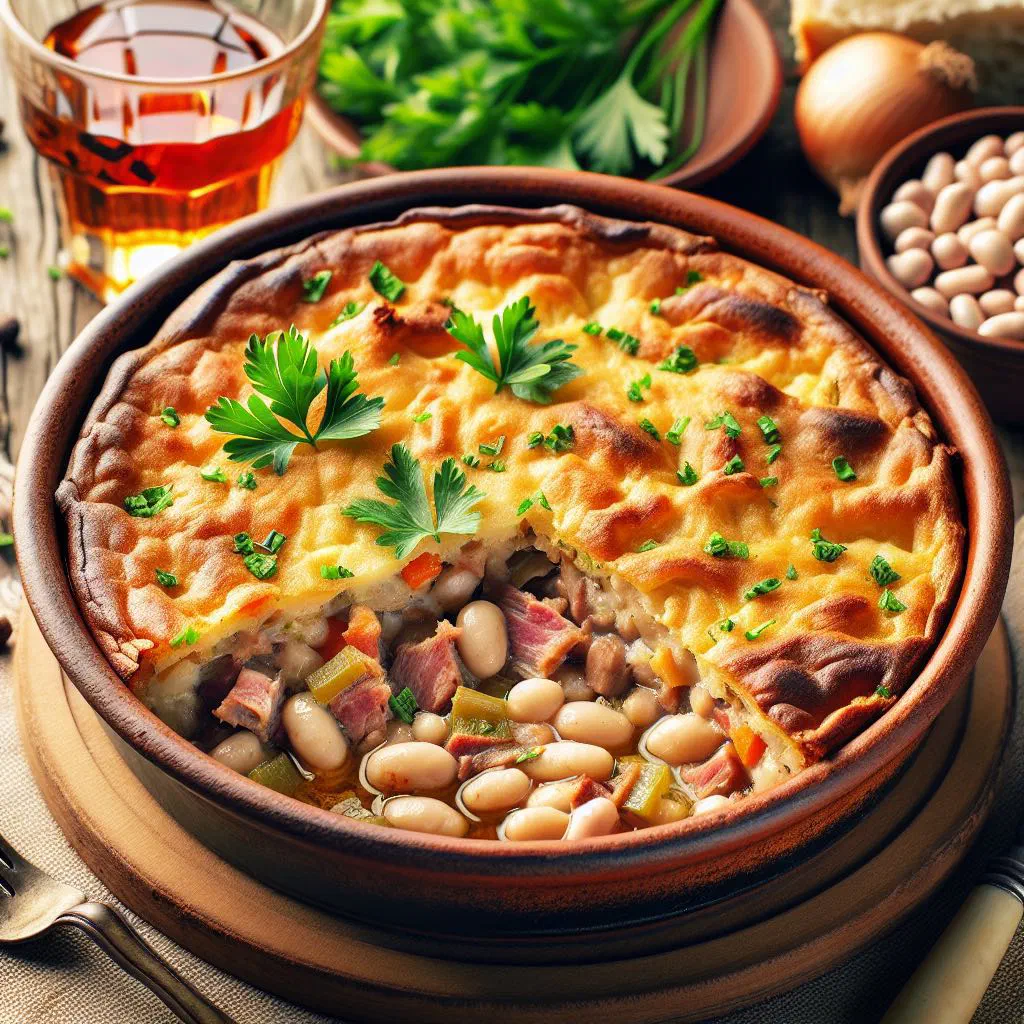
Discover Zapečeni Pasulj, the hearty baked bean dish that Montenegro has made its own. Tender white beans, sweet onions and smoky bacon are slowly simmered together, then finished under a crisp golden crust in the oven. It is rustic, generous cooking at its very best, the kind of food that fills a kitchen with warmth and brings everyone to the table. One spoonful and you will taste the authentic flavour of the Adriatic hinterland.
About Zapečeni Pasulj
Zapečeni Pasulj is far more than a simple bean stew; it is a genuine culinary masterpiece from Montenegro. The combination of tender white beans, aromatic spices and a crunchy baked crust makes for a memorable flavour. The dish is rich and satisfying and wonderfully nourishing, which is why it turns up so often at sociable evenings with family and friends. Let the variety of the Balkan kitchen inspire you and rediscover the pleasure of proper home cooking.
Ingredients (serves 1–2)
- 250 g dried white beans
- 2 onions
- 4 garlic cloves
- 200 g smoked bacon or ham
- 1 bay leaf
- 1 teaspoon paprika powder
- Salt and pepper, to taste
- 1–2 tablespoons olive oil
- 100 g breadcrumbs, for the crust
Shopping for the ingredients
If you have decided to cook Zapečeni Pasulj, it pays to choose a good-quality selection of beans. Fresh onions and garlic contribute enormously to the aroma of the dish, while smoked bacon lends it a particular depth. Make sure the herbs and spices are fresh too, so that the full flavour comes through. Shopping at a local market or a wholefood shop is often the easiest way to track down the best ingredients, the same care that goes into a classic Pasulj.
Preparing the dish
Preparation for Zapečeni Pasulj begins with soaking the beans. Leave them in water overnight so they soften and hold their shape during cooking rather than falling apart. The onions and garlic then need to be finely chopped so their aroma comes fully to the fore when they hit the pan. Washing and prepping the ingredients carefully is decisive for the flavour of the finished dish.
Step-by-step instructions
- Bring the soaked beans to the boil in a pan of fresh water, then simmer for 30 minutes.
- Heat the olive oil in a frying pan and sauté the onions and garlic until translucent.
- Add the smoked bacon and fry everything well.
- Drain the cooked beans and add them to the pan along with the bay leaf and paprika powder.
- Stir well, season with salt and pepper, and transfer to an ovenproof dish.
- Scatter the breadcrumbs evenly over the beans.
- Bake in a preheated oven at 180°C for about 25–30 minutes, until the crust is golden brown.
Gluten-free / lactose-free version
Zapečeni Pasulj can easily be enjoyed gluten-free and lactose-free if you use gluten-free breadcrumbs. Replace the smoked bacon with a plant-based alternative or leave it out altogether to create a version that suits both requirements. The flavour is not merely preserved. It can even be intensified by using fresh herbs and spices. That way guests with allergies or intolerances can share in this traditional dish as well.
Tips for vegans and vegetarians
For a vegan or vegetarian version of Zapečeni Pasulj, swap the bacon for smoked tofu or a mixture of smoked mushrooms. These ingredients still give the dish the smoky note it needs. You can also add extra vegetables such as carrots or peppers to make it more nourishing, much as you would in a colourful Duvec. Remember to adjust the seasoning to broaden the flavour profile.
More tips and tricks
The trickiest element when making Zapečeni Pasulj is the texture of the beans. Soak them for longer if need be, so that they stay intact during cooking. Add water or stock while they simmer if they look at all dry. For an even deeper flavour, drop in fresh herbs such as thyme or rosemary as the beans bubble away. Gluten-free options are readily available too, so nobody has to miss out.
Adapting the recipe to your taste
The flexibility of Zapečeni Pasulj means you can adapt it however you like. If you enjoy a bit of heat, add a pinch of cayenne pepper or some fresh chillies. The choice of pulses can vary as well: white beans, red kidney beans or black beans all work nicely. The quantity of spices can be dialled up or down to suit you, creating a flavour that is entirely your own.
Ingredient substitutions
If some of the ingredients are not to hand, there are plenty of alternatives to fall back on. Rolled oats in place of breadcrumbs, for example, make an excellent gluten-free crust. If you have no bacon, try a good vegetable stock to achieve the same savoury depth, or stir through a spoonful of Ajvar for smoky sweetness. Enjoy exploring the range of ingredients and trying out combinations that appeal to you.
Drink pairing ideas
Zapečeni Pasulj goes beautifully with a wide range of drinks. A full-bodied red wine such as a Montenegrin Vranac supports the rich flavours of the dish. For an alcohol-free option, a robust grape juice works well, while a malty dark beer is another excellent match. Experiment with different pairings to find out which combination suits your own palate best.
Serving and presentation ideas
Presenting your Zapečeni Pasulj thoughtfully makes mealtimes feel that bit more special. Serve it in a rustic ceramic dish and garnish with freshly chopped herbs such as parsley or chives. A basket of fresh bread, a warm Pogaca is ideal, or a simple side salad rounds off the spread. We eat with our eyes first, and an attractive presentation will always impress your guests.
A bit of history
Zapečeni Pasulj has a history rooted deep in Montenegrin culture. The dish was traditionally served at feasts and celebrations, and it reflects the influences of Mediterranean and Balkan cooking. Its simple ingredients, often grown on the family’s own land, show just how important fresh produce is throughout Montenegrin cuisine. Cook it the traditional way and you experience a little of the country’s cultural wealth in every bite.
More recipe ideas
Summary: Zapečeni Pasulj
Zapečeni Pasulj is a hearty, thoroughly delicious dish that delivers the authentic taste of Montenegro. Because it adapts so readily, the recipe can be varied to accommodate all sorts of preferences and diets. Give it a go and bring a piece of Montenegrin food culture into your own kitchen.