National Dish Mozambique: Arroz de Coco (Recipe)
In this article
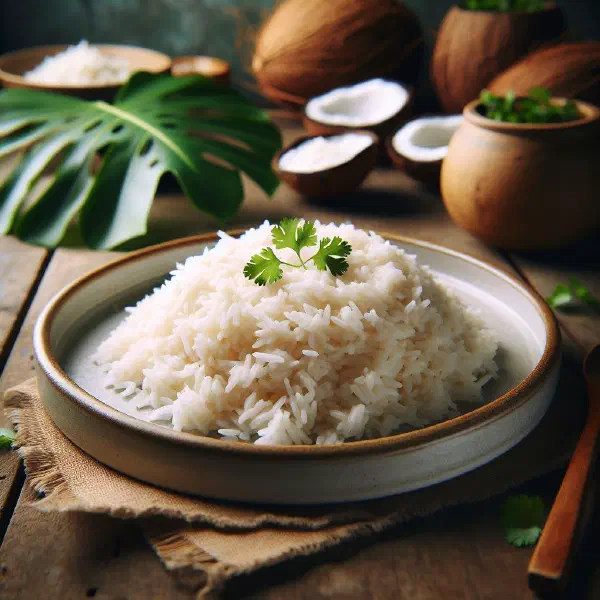
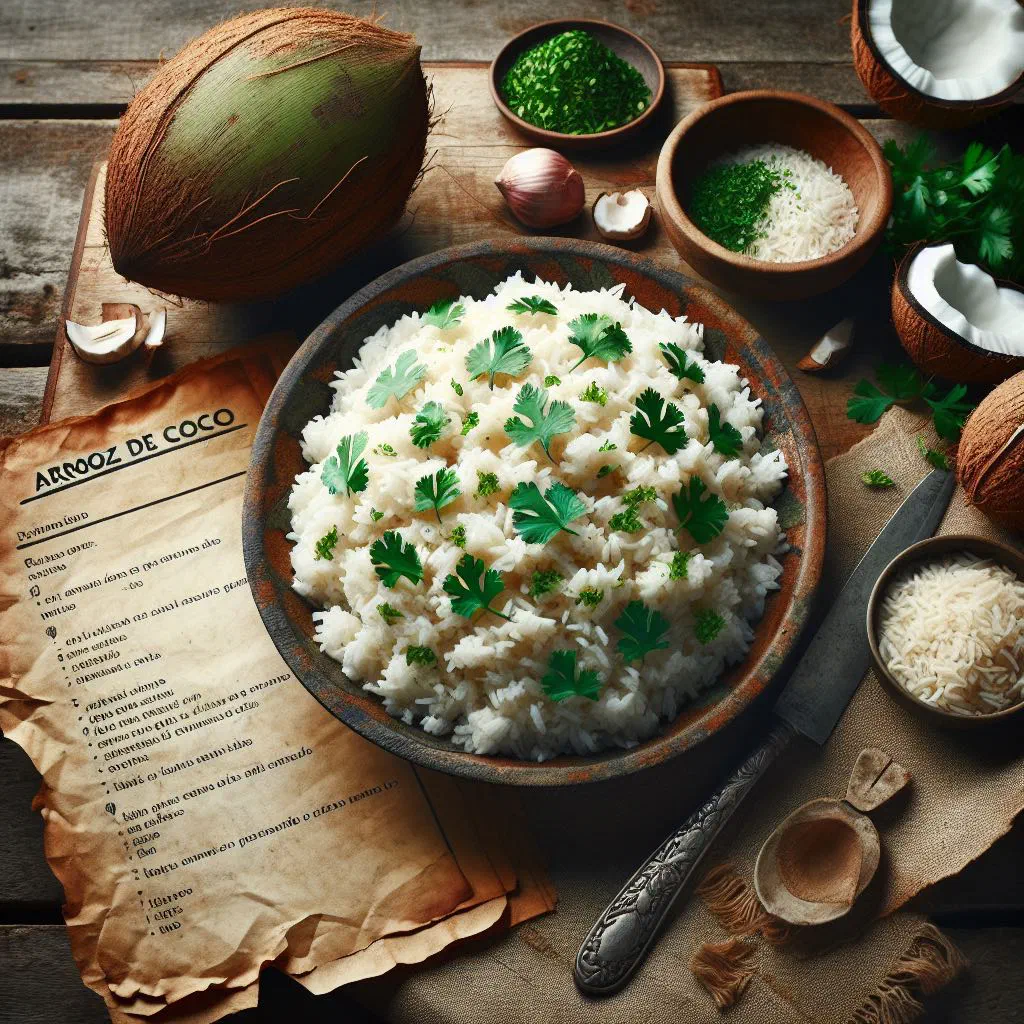
Say hello to Arroz de Coco, a fragrant coconut rice that sits close to the heart of Mozambican cooking. This simple yet elegant dish brings together fluffy long-grain rice and rich, creamy coconut milk for a plate full of gentle tropical warmth. It is quick to put together, endlessly adaptable and equally at home as a comforting side or a light main. Let these coastal African flavours carry you straight to the shores of the Indian Ocean.
About Arroz de Coco
Arroz de Coco is a traditional dish rooted deep in the cultural identity of Mozambique. The pairing of fragrant rice and creamy coconut milk creates a taste that is both simple and refined, prized by locals and visitors alike. It offers a wonderful window into the country’s varied kitchen, and it works beautifully as a side dish or as a main course. Best of all, it adapts readily to suit all sorts of tastes and occasions.
Ingredients (serves 1–2)
- 200 g long-grain rice
- 400 ml coconut milk
- 200 ml water
- 1 small onion, diced
- 2 cloves of garlic, chopped
- 1 tsp salt
- 1 tsp pepper
- 1 tbsp vegetable oil
- Fresh herbs, to garnish (coriander or parsley, for example)
Shopping for the ingredients
The ingredients for Arroz de Coco are easy to find in most supermarkets or at local markets. The long-grain rice that forms the base of the dish comes in many varieties, so take your pick. Do choose a good-quality coconut milk, as it makes a real difference to the final flavour. Adding fresh herbs, often available locally, gives the dish an extra lift and enriches its aroma.
Preparing the dish
Before you start cooking Arroz de Coco, prepare all the ingredients thoroughly. The onion should be finely diced and the garlic finely chopped. These two are the flavour foundation of the dish. Measuring out the liquids is another important step: the coconut milk and water should be combined in a ratio of 2:1 to give the best cooking result.
Step-by-step instructions
- Heat the vegetable oil in a pan and fry the diced onion until translucent.
- Add the chopped garlic and cook briefly until fragrant.
- Add the rice to the pan and toast it for a moment to build extra flavour.
- Pour in the coconut milk and water, stir well and bring to the boil.
- Season with salt and pepper, then lower the heat. Cover and let the rice simmer gently for about 15–20 minutes, until the liquid is absorbed and the rice is tender.
- Take the finished rice off the heat, let it rest for a few minutes, then garnish with fresh herbs.
Gluten-free / lactose-free version
One of the great advantages of Arroz de Coco is that it is naturally gluten-free. As it contains no wheat products, anyone with a gluten intolerance can enjoy it. The use of coconut milk also makes the dish lactose-free, an excellent choice for those avoiding dairy. When buying your coconut milk, check that no milk products have been added, so the dish stays fully lactose-free.
Tips for vegans and vegetarians
Arroz de Coco is naturally vegan and vegetarian, making it a perfect fit for these diets. To turn it into a more complete meal, add vegetables such as carrots, peas or peppers, which harmonise nicely with the coconut. These additions boost the nutritional value and bring extra colour and texture to the plate. For added protein, stir in some cooked beans, much as you would in a hearty Feijão com Coco.
More tips and tricks
A small trick for the perfect Arroz de Coco is to rinse the rice thoroughly before cooking. This removes excess starch and gives a less sticky result. You can also add spices such as turmeric or garam masala to taste for an extra flavour note. Keep an eye on the texture too: if the rice turns out too dry, simply add a little more water or coconut milk.
Adapting the recipe to your taste
There is plenty of room to tailor Arroz de Coco to your own preferences. If you like a bit of heat, add fresh chillies or chilli flakes, a nod to Mozambique’s love of fiery Piri Piri Sauce. You can also vary the sweetness with a touch of sugar or honey, to taste. The dish pairs wonderfully with other sides, too, letting you build a complete menu that suits every palate.
Ingredient substitutions
If certain ingredients are not to hand, there are tasty alternatives to fall back on. Instead of long-grain rice, you can use basmati or jasmine rice, both of which sit beautifully with coconut milk. The coconut milk itself can be swapped for another plant-based milk such as oat milk if you like, though this will change the signature flavour. And rather than vegetable oil, reach for coconut oil to intensify the coconut taste.
Drink pairing ideas
To round out the flavours of Arroz de Coco, light and fruity drinks work best. Fruit juices such as mango or pineapple pair wonderfully and refresh the palate between mouthfuls. For an alcoholic option, a light white wine or even a tropical beer makes a fine match. The main thing is a drink that offers a balanced combination of flavour and freshness.
Serving and presentation ideas
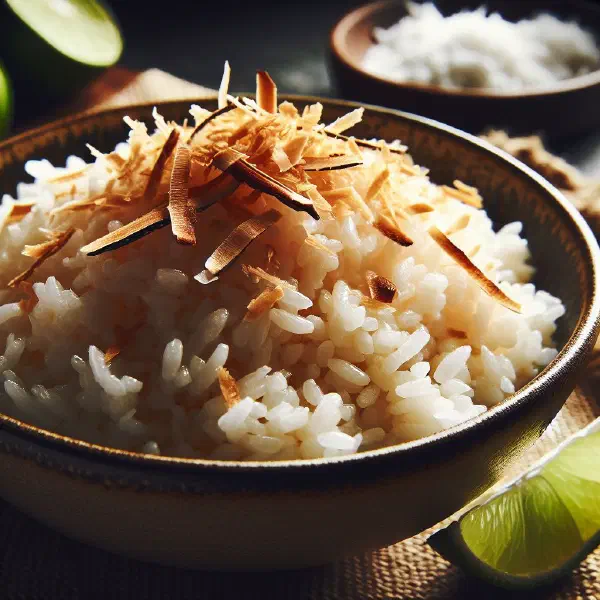
Presentation can lift the whole experience. Serve Arroz de Coco in an attractive bowl and garnish with freshly chopped herbs or toasted nuts for a pleasing contrast. Small lime wedges or a little chilli on the side add an extra touch. Alongside a plate of grilled Peixe Grelhado, it turns a simple meal into a special occasion.
A bit of history
Arroz de Coco is a reflection of the cultural influences that shaped Mozambique. Contact with Indonesia and other coastal regions of Africa made the use of coconut popular in the kitchen, and this dish is a lovely bridge between tradition and modern tastes. Its popularity means it has found a place not only in Mozambique but in many parts of the world, and it remains a much-loved staple of Afro-Portuguese Mozambican cuisine.
More recipe ideas
Summary: Arroz de Coco
Arroz de Coco is a simple and flavourful dish that captures the tastes of Mozambique in a unique way. With its creamy texture and its readiness to be adapted, it suits all kinds of occasions and preferences. The recipe is easy to prepare and friendly to many diets. Enjoy a little slice of Africa on your plate as you savour the variety and richness of Mozambican cooking.