National Dish Mozambique: Coconut Pork Crackling (Recipe)
In this article
Meet Torresmos de Coco, a little jewel of Mozambican cooking that turns tender pieces of pork into a very good, crunchy treat. Each morsel is wrapped in a crisp coconut crust and fried until deep golden, so the juicy meat inside meets a gently sweet, nutty shell. These bites carry a taste of Mozambique’s coastal heritage straight to your table.
About Torresmos de Coco
Torresmos de Coco are a real gem of Mozambican cuisine, made from tender pieces of pork given a crunchy coconut coating. The pairing of succulent meat with the sweet, mellow flavour of coconut creates a wonderfully distinctive aroma that seems to melt on the tongue. Perfect as a starter or as part of a main course, the dish brings a slice of African heritage directly to your plate, and it captures the warmth and generosity that runs through so much of the country’s cooking.
Ingredients (serves 1–2)
- 300 g pork (shoulder or belly)
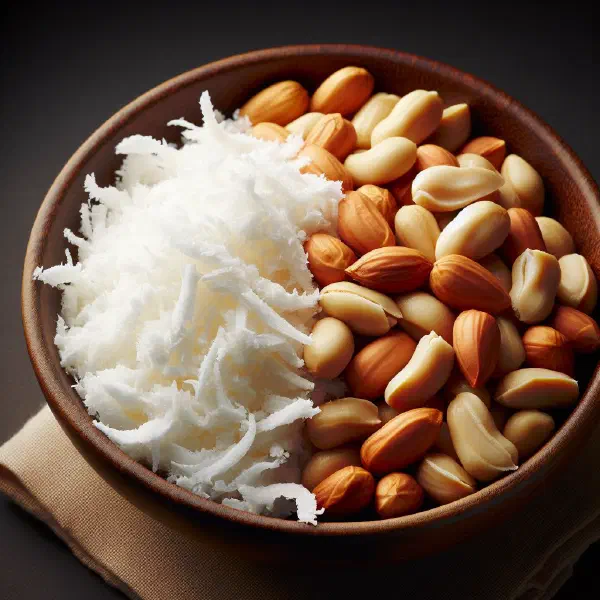
- 100 g desiccated coconut
- 1 egg
- 2 tablespoons flour (or gluten-free flour)
- 1 teaspoon paprika
- 1 teaspoon garlic powder
- Salt and pepper, to taste
- Oil, for deep-frying
Shopping for the ingredients
When shopping for Torresmos de Coco, it pays to focus on freshness and quality. The pork is the heart of the dish, so it is worth calling in at your local butcher for a good cut. Choose fresh desiccated coconut where you can, as it has a big influence on the final aroma. Most of the other ingredients are easy to find in any supermarket, though you might also keep an eye out for special African spices to deepen that authentic flavour.
Preparing the dish
Getting Torresmos de Coco ready takes only a few simple steps. Start by cutting the pork into small, even pieces so it cooks through uniformly. While the meat marinates, mix the desiccated coconut with the spices in a bowl to prepare the crust. Then set up your coating station, arranging the egg and flour in separate dishes so the breading goes quickly and smoothly.
Step-by-step instructions
- Season the pieces of pork with paprika, garlic powder, salt and pepper, and leave to marinate for about 30 minutes.
- Meanwhile, heat the oil in a deep pan.
- Dip the marinated pork first into the flour, then the beaten egg, and finally into the desiccated coconut.
- Carefully lower the coated pieces into the hot oil and fry until golden brown.
- Drain the Torresmos de Coco on kitchen paper and serve warm.
Gluten-free / lactose-free version
For a gluten-free version of Torresmos de Coco, simply swap the ordinary flour for gluten-free flour. Many supermarkets now stock special gluten-free blends that coat beautifully. Do check the desiccated coconut for possible sources of gluten too, to avoid any cross-contamination. If lactose is a concern, the recipe is already lactose-free, as no dairy products are used at all.
Tips for vegans and vegetarians
Although Torresmos de Coco is traditionally made with pork, the recipe adapts nicely to a vegan or vegetarian option. In place of the meat you can use tofu or seitan, both of which offer a similar texture. These alternatives can be marinated in just the same way to bring out the full flavour. Do also make sure the desiccated coconut is genuinely plant-based, even though it usually is.
More tips and tricks
To get the very best from the dish, make sure the oil is at the right temperature before you add the meat. A reliable sign is small bubbles forming around a wooden spoon or skewer dipped into the oil, which helps you achieve that crunchy texture. You can also play with different spices to tailor the flavour to your own taste, a pinch of chilli powder, for example, lends the bites a pleasant kick.
Adapting the recipe to your taste
If you fancy a change, Torresmos de Coco takes well to a bit of experimentation. Instead of pork you could use chicken, or turn to courgette for a vegetarian spin. Swap the desiccated coconut for coconut flour if you prefer a finer texture on the crust. You might also try different herbs and spices to discover new flavour combinations, much like the aromatic marinades that shine in Galinha a Zambeziana.
Ingredient substitutions
If you find yourself without some of the ingredients for Torresmos de Coco, there are plenty of alternatives. Chicken or courgette both work in place of the pork, the latter giving you a fully vegetarian version. Coconut flour can stand in for the coconut flakes when you want a smoother coating, and fresh herbs let you lift the flavour further. The same coconut-forward approach turns up in comforting sides like Feijao com Coco.
Drink pairing ideas
Torresmos de Coco go best with light drinks that support rather than swamp the flavour. A refreshing fruity cocktail or a cool lager both make excellent companions. Alternatively, iced water with a slice of lemon or lime is a lovely choice for keeping the palate fresh. If you prefer a non-alcoholic option, a lightly sweetened fruit tea rounds things off nicely.
Serving and presentation ideas
Thoughtful presentation can lift the whole experience of Torresmos de Coco. Serve the fried pieces on a colourful platter and garnish with fresh herbs such as coriander or parsley. Small bowls of dips like aioli or a spicy salsa make a great addition, and a scattering of fresh lemon wedges adds both a bright splash of colour and a refreshing note. Pair them with a coconut classic such as Arroz de Coco to round out the table.
A bit of history
The roots of Torresmos de Coco run deep in the cultural heritage of Mozambique. The dish reflects a unique blend of local ingredients and the many culinary influences that have reached the country over the centuries. The use of coconut, so abundant along the Mozambican coast, showcases the rich diversity of the country’s tropical produce. In this way the dish stands not only as a tasty snack but as a link to the traditional way of life, one of the many treasures of Mozambican cuisine.
More recipe ideas
Summary: Torresmos de Coco
Torresmos de Coco is more than just a dish; it is a delicious way to discover the rich flavours of Mozambique. With its crunchy exterior and juicy centre, it strikes a perfect balance that enriches any meal. Enjoyed on your own or shared with friends, its appeal is impossible to resist. Let it inspire you, and bring a piece of Mozambican food culture into your own kitchen.