National Dish Mozambique: Pesto de Coentro (Recipe)
In this article
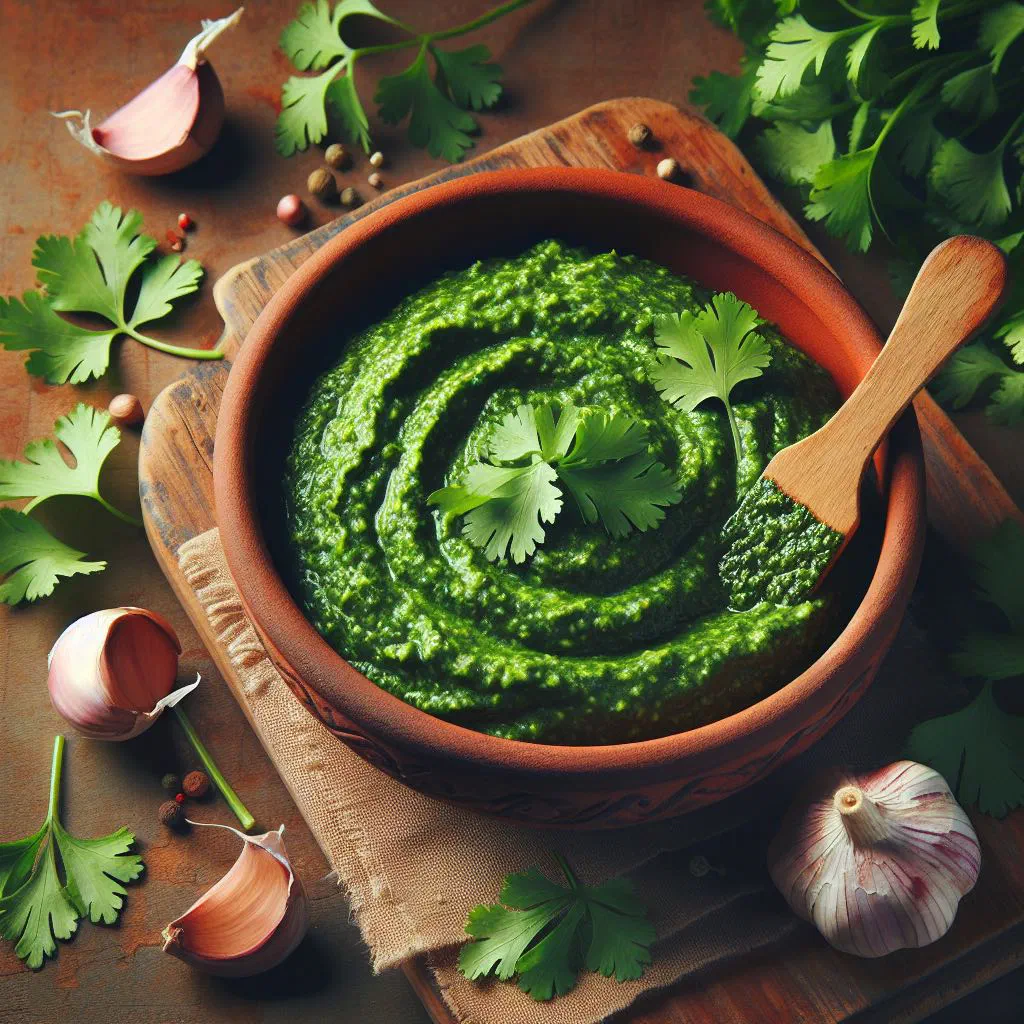
Meet Pesto de Coentro, a bright green sauce that swaps the usual basil for handfuls of fresh coriander. Bright, herby and wonderfully aromatic, it works just as happily stirred through pasta, spooned over grilled fish or spread thickly across warm bread. Quick to make and endlessly adaptable, it brings a burst of freshness to any table and a welcome twist on the classic Italian original.
About Pesto de Coentro
Pesto de Coentro is a refreshing, aromatic take on the classic pesto. This green sauce is built mainly around coriander, which lends every dish a distinctive character. It makes a superb dip, a lively sauce for pasta or even a spread for bread. With its lively flavours and its straightforward preparation, it is a perfect addition to almost any meal and a favourite in the wider world of Mozambican cuisine.
Ingredients (serves 1–2)
- 50 g fresh coriander
- 30 g pine nuts or cashew nuts
- 1–2 cloves of garlic
- 50 ml olive oil
- 30 g Parmesan (optional)
- Juice of 1 lemon
- Salt and pepper, to taste
Shopping for the ingredients
To make the perfect Pesto de Coentro, it is worth paying attention to the quality of your ingredients. Fresh coriander is the heart of this recipe, so visit a local market or a well-stocked supermarket to be sure of getting the freshest bunches. Pine nuts are an excellent choice, but cashew nuts also give the pesto a lovely creamy texture. Much like the peanuts in a Caril de Amendoim, the nuts here do a lot of the flavour work.
Preparing the dish
Before you begin, it helps to have everything ready to hand. Wash the coriander thoroughly and strip away the thicker stalks. The garlic cloves should be peeled and cut into smaller pieces so they blend more easily. If you are using Parmesan, cut it into small chunks too, so it breaks down smoothly in the blender.
Step-by-step instructions
- Put the coriander, pine nuts or cashew nuts and garlic into a blender or food processor.
- Add the lemon juice along with a pinch of salt and pepper.
- Blitz the ingredients, slowly pouring in the olive oil until you reach a creamy consistency.
- Optional: add the Parmesan and blend again until everything is well combined.
- Taste and season with a little more salt and pepper as needed.
Gluten-free / lactose-free version
Pesto de Coentro is naturally gluten-free and lactose-free. To make sure it suits your dietary needs, simply use the ingredients above and leave out the cheese. The pesto keeps its full flavour and is ideal for vegans. Enjoy it on gluten-free bread or with your favourite pasta.
Tips for vegans and vegetarians
For a vegan version, the Parmesan can simply be left out or swapped for a plant-based alternative. Many supermarkets now stock a wide range of vegan cheeses that work well here. Take care to check the other ingredients, such as the olive oil and nuts, to rule out any animal products. Pesto de Coentro is delicious and endlessly useful across a variety of vegan dishes.
More tips and tricks
An important tip for the perfect pesto is to experiment with the ingredients. Add a little chilli for a spicy kick, or combine coriander with other herbs such as parsley or mint for a more varied flavour. Store any leftover pesto in an airtight container in the fridge to keep it fresh for longer. It can also be frozen, so you always have some ready when you need it.
Adapting the recipe to your taste
Building in a few options makes cooking all the more enjoyable. Depending on your personal taste, you can vary the amount of garlic or lemon. For a deeper flavour, lightly toast the nuts beforehand. Experiment with different kernels or oils to create unique flavour combinations.
Ingredient substitutions
If you do not have certain ingredients to hand, there are plenty of creative alternatives. Instead of pine nuts, you can use sunflower seeds or almonds, the same kind of swap that works nicely in a nutty Amendoim com Coco. For a nut-free version, leave the nuts out altogether or add a little more coriander. Bear in mind that the texture and taste will shift slightly, though this can give the dish a special character of its own.
Drink pairing ideas
A few drinks pair especially well with a hearty pesto dish. A fresh, dry white wine harmonises beautifully with the herbs and the oil. Alternatively, a sparkling spritz with mineral water or a homemade iced tea makes a refreshing choice. You might also try zesty lemonades, which can underline the flavours of the pesto.
Serving and presentation ideas
Presentation can lift the whole experience of Pesto de Coentro. Serve the pesto in a small bowl with a drizzle of olive oil on top and freshly toasted slices of bread alongside. Decorate the plate with fresh coriander leaves to intensify the colours. Little pots are ideal for serving the pesto in style. Perfect for appetisers or buffets, much as you might present a Salada de Abacate.
A bit of history
Pesto has its roots in Italian cuisine, but Pesto de Coentro is a wonderful variation that draws in flavours from further afield. Coriander is used widely in many Latin American and Lusophone kitchens and brings an unmistakable freshness. This blend of tradition and modern reinvention is reflected in the sauce’s popularity. It is a recipe that brings together flavour and culture.
More recipe ideas
Summary: Pesto de Coentro
Pesto de Coentro is a delicious, versatile sauce that is easy to make and lends any dish a fresh note. With simple ingredients and plenty of room for adaptation, you can tailor this sauce entirely to your own taste. With pasta or as a spread for bread, it is a recipe that can enrich a wide range of meals. Give it a try and let the flavours surprise you.