National Dish Myanmar: Fermented Tea Leaf Salad (Recipe)
In this article
Few dishes tell the story of a country as vividly as Fermented Tea Leaf Salad. In Myanmar, tea is not only something you drink. It is something you eat, and this tangy, savoury salad is the proof. Softened, pickled leaves meet crunchy nuts, sharp onion and a bright squeeze of lime, creating a mouthful that is salty, sour, nutty and gently bitter all at once. Served as a snack, a starter or a peace offering between friends, it is one of the most compelling introductions to Burmese cooking you can put on a plate.
About Fermented Tea Leaf Salad
Fermented Tea Leaf Salad is not simply a dish but a piece of Myanmar’s cultural heritage. This national speciality impresses with a complex layering of flavour that comes directly from the fermentation of the tea leaves themselves. The combination of crunchy nuts, pungent herbs and fresh, raw ingredients makes the salad a genuine experience rather than a side note. Served as a starter or a snack, it is an excellent way to discover the many-sided cuisine of Myanmar.
Ingredients (serves 1–2)
- 100 g fermented tea leaves
- 50 g roasted peanuts
- 1 small onion, finely chopped
- 2–3 fresh green chillies, to taste
- 1–2 tablespoons lime juice
- A handful of fresh coriander, roughly chopped
- 2–3 tablespoons sesame oil
- Salt to taste
Shopping for the ingredients
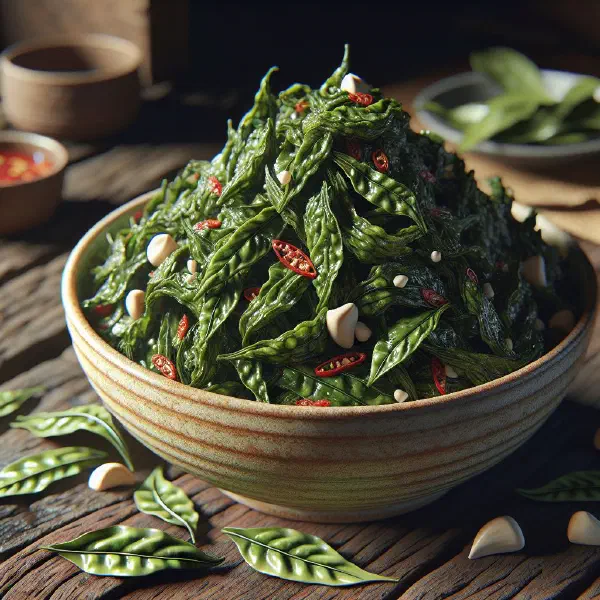
Most of what you need for fermented tea leaf salad can be found in Asian grocers, international food wholesalers or well-stocked supermarkets. The fermented tea leaves themselves may take a little hunting, but specialist Asian shops usually carry them, often labelled lahpet, as in the classic Lahpet Thoke. Alongside the leaves, pay attention to the quality of the nuts and the oils, since they give the dish its characteristic depth. Fresh herbs and chillies are just as decisive for an authentic flavour.
Preparing the dish
Before you start assembling the salad, it pays to get everything properly ready. First, rinse and drain the fermented tea leaves thoroughly to wash away excess salt and brine. The peanuts can be roughly chopped if you prefer a coarser, crunchier texture. All the remaining components, onion, chillies and coriander, should be prepped in advance so the mixing itself goes smoothly and the ingredients stay lively and fresh.
Step-by-step instructions
- Tip the prepared fermented tea leaves into a mixing bowl.
- Add the roasted peanuts and the finely chopped onion.
- Add the fresh chillies to taste and toss everything together well.
- Pour in the lime juice and the sesame oil, then mix thoroughly once more.
- Season with salt and fold through the chopped coriander at the very end.
- Serve straight away, or let it rest briefly in the fridge to let the flavours deepen.
Gluten-free / lactose-free version
Fermented tea leaf salad is naturally gluten-free and lactose-free, which makes it an ideal choice for anyone with particular dietary needs. The only thing to watch is the labelling on shop-bought components, check that no gluten- or dairy-containing extras have crept into the tea leaf mix or the roasted nuts. Handled that way, the dish stays both wholesome and delicious for everyone at the table.
Tips for vegans and vegetarians
This recipe is already suitable for vegans and vegetarians, as it contains no animal products at all. The peanuts can be swapped for other nuts or seeds to add variety or to work around allergies. Sesame oil can likewise be replaced with another plant oil such as olive oil, though you will lose a little of the toasty aroma. The heat level, dictated by the chillies, is entirely yours to dial up or down.
More tips and tricks
The key to a great fermented tea leaf salad lies in the quality of what goes into it, so choose the freshest ingredients you can find. The salad also takes very happily to extra vegetables such as cucumber or shredded carrot, which add crunch and lighten the whole thing. Toasting the nuts yourself just before mixing makes a noticeable difference. Let your creativity run and experiment with different combinations.
Adapting the recipe to your taste
Fermented tea leaf salad is a flexible dish that adjusts easily to personal preference. If you like more heat, increase the quantity of chillies or stir in a spoonful of chilli paste. Anyone who leans towards sweeter notes can add a pinch of sugar or a little honey to create an intriguing contrast against the sourness. Be bold with the seasoning and shape the dish around your own palate.
Ingredient substitutions
When something is not available, there are plenty of alternatives that work well. Instead of peanuts, try cashews or almonds, the same nutty crunch that lifts a Ginger Salad. Rapeseed oil or groundnut oil can stand in for sesame oil. The fermented tea leaves can, at a push, be replaced with another fermented vegetable such as sauerkraut, though this changes the character of the dish considerably.
Drink pairing ideas
Several drinks accompany fermented tea leaf salad beautifully. A cold Asian lager cuts cleanly through the salt and oil. For anyone avoiding alcohol, freshly pressed lemon and lime juice or a pot of green tea makes a refreshing choice, a fitting echo of the leaves in the bowl. Fruity lemonades with a hint of mint round the salad off nicely too.
Serving and presentation ideas
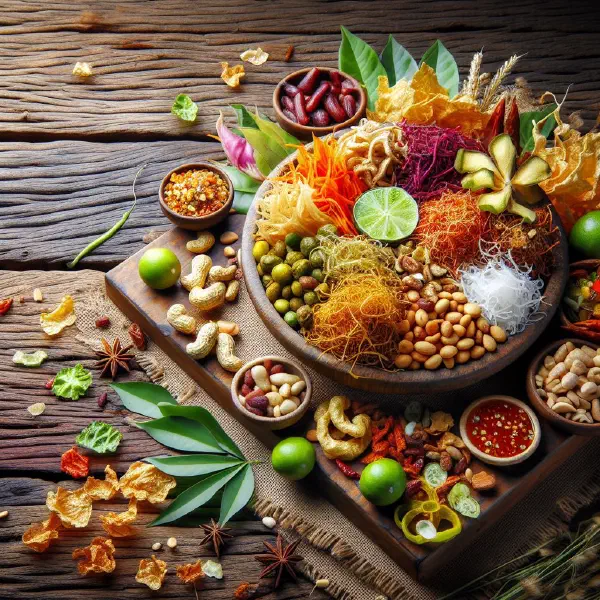
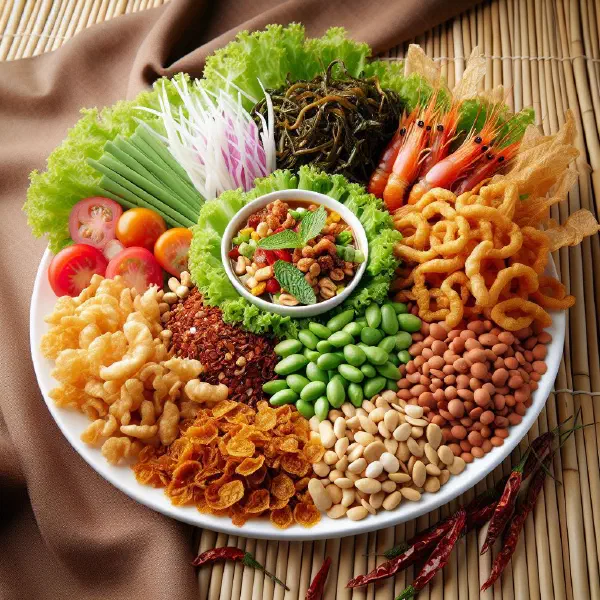
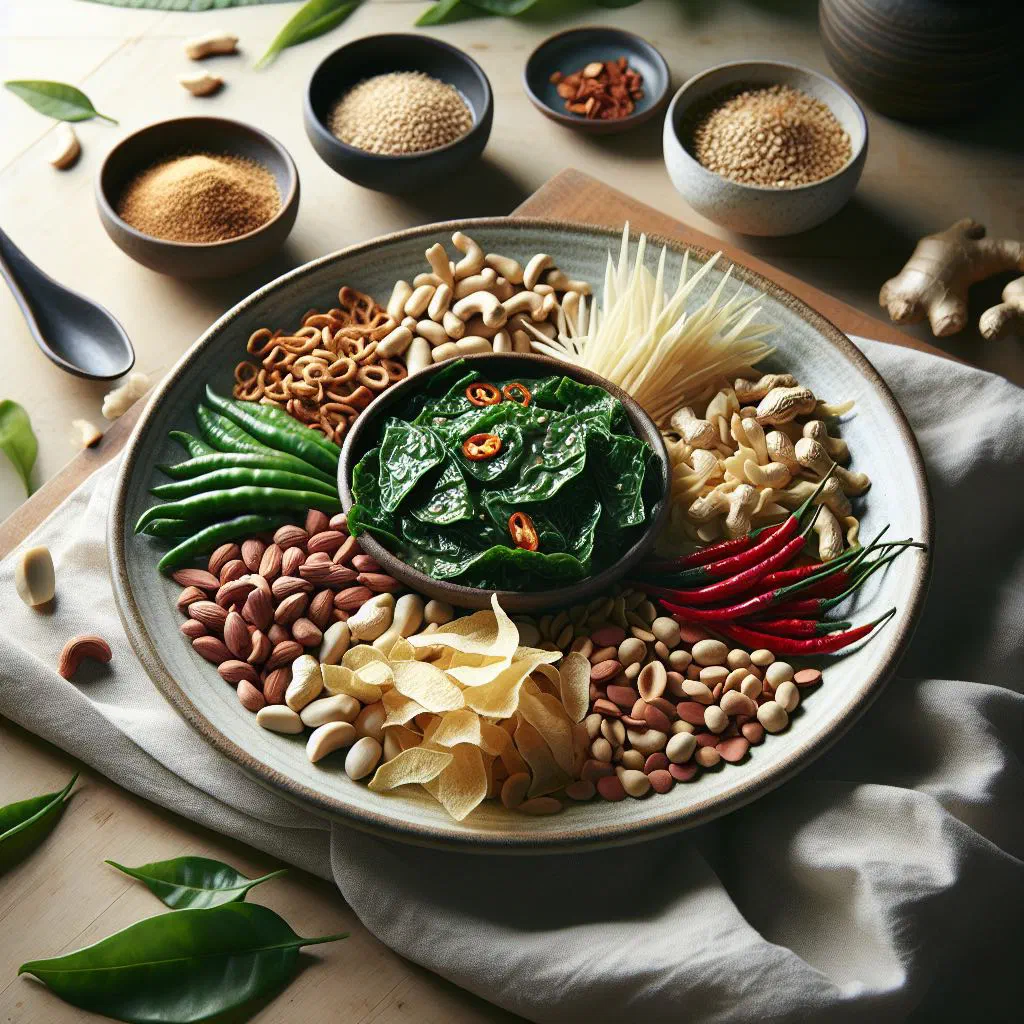
Presentation can make a real difference to the impact of this salad. Serve it in a large, shallow bowl or on a decorative plate so the colours of the individual ingredients stand out. A garnish of fresh herbs or a scattering of sesame seeds adds a final visual accent. Traditionally the components are arranged in separate mounds and tossed at the table, which turns the serving itself into a small piece of theatre.
A bit of history
Fermented tea leaf salad has a long history in Myanmar and is a symbol of the country’s culinary richness. It rests on fermentation, a technique practised in the region for centuries not only to preserve food but to intensify its flavour. Traditionally the salad is eaten in company, offered to guests as a gesture of welcome and shared to foster a sense of community, a hallmark of Myanmar cuisine. In recent years the dish has gained international attention and is now enjoyed by food lovers around the world.
More recipe ideas
- Tea Leaf Salad
- Grilled Fish With Tamarind Sauce
- Pork Rib Curry
- Spicy Vegetable Stir Fry
- Mango Sticky Rice
Summary: Fermented Tea Leaf Salad
Fermented tea leaf salad is a culinary highlight that brings the flavours of Myanmar straight into your kitchen. In a single bowl it unites contrasting textures and aromas that together create a memorable eating experience. Its wholesome, varied composition makes the dish not only delicious but genuinely nourishing. Give it a try and let its cultural roots and versatility inspire you.