National Dish Myanmar: Htamane (Recipe)
In this article
Meet Htamane, the celebratory sticky rice dish that sits at the very heart of Myanmar’s food culture. Glutinous rice is steamed until soft and yielding, then folded through with coconut milk and a generous scattering of toasted peanuts until every grain is glossy and fragrant. Sweet, gently salty and wonderfully chewy, it is the sort of dish that draws a crowd around the pot, and it is far easier to make at home than its festival-day reputation suggests.
About Htamane
Htamane is a flavourful national dish that captures Myanmar’s culinary traditions in the most delicious way. It is built above all around glutinous rice, cooked together with peanuts and coconut milk. That combination gives the dish its intriguing texture and its unmistakable flavour. Htamane is often served at celebrations and special occasions, which says a great deal about its cultural standing, much like the fragrant Coconut Rice that appears at Burmese tables on happy days.
Ingredients (serves 1–2)
- 1 cup glutinous rice
- ½ cup roasted peanuts, roughly chopped
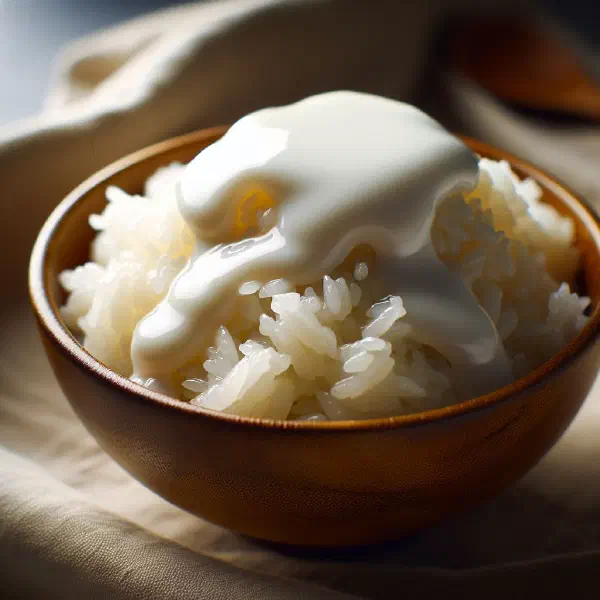
- 1 cup coconut milk
- ½ teaspoon salt
- 2 teaspoons sugar (optional)
- 1 teaspoon sesame seeds (optional)
Shopping for the ingredients
The ingredients for htamane are easy to find in most Asian supermarkets. Glutinous rice is the key component and comes in a range of varieties, most of them of good quality. Coconut milk is usually sold in tins or cartons, and here it pays to look at the brand to make sure it is properly creamy and aromatic. Beyond that, roasted peanuts, salt and sugar are generally stocked by any local supermarket.
Preparing the dish
First, wash the glutinous rice thoroughly to rinse away the excess starch. Then soak the rice in water, ideally overnight or for at least three hours. Soaking is what makes the rice cook evenly and reach that characteristic stickiness. Don’t forget to chop the peanuts either. They are what give the finished dish its texture.
Step-by-step instructions
- Tip the soaked glutinous rice into a steamer basket and steam for around 30 to 45 minutes, until soft and sticky.
- In a separate bowl, mix the coconut milk with the salt and the sugar, if using, then warm gently to bring the flavours together.
- Transfer the steamed rice to a large bowl and pour the coconut milk mixture evenly over the top.
- Fold half the chopped peanuts through the rice and scatter the rest over the surface.
- Let the dish rest for a few minutes before serving so the flavours can mingle.
Gluten-free / lactose-free version
Htamane is naturally gluten-free, provided you make sure no gluten-containing ingredients such as soy sauce find their way in. Coconut milk is lactose-free too, which makes this an excellent choice for anyone with intolerances. Do check every ingredient you use, though, to rule out hidden allergens. That way you can put together a dish that is both delicious and safe for everyone at the table.
Tips for vegans and vegetarians
Htamane already suits vegans, since every ingredient is plant-based. It is still worth checking your coconut milk to confirm it contains no animal-derived additives. The sugar can also be swapped for an alternative sweetener such as agave syrup. All of which makes this dish ideal for anyone eating a plant-based diet, and no less full of flavour for it, in the same spirit as a bowl of Tofu Curry.
More tips and tricks
To get the very best from htamane, try adding extra spices such as cinnamon or nutmeg. A small amount of freshly grated ginger lends the dish a pleasant warmth as well. You can also experiment during cooking by using different nuts or seeds to create new textures. The rule of thumb holds: the more time you invest in the preparation, the better the result.
Adapting the recipe to your taste
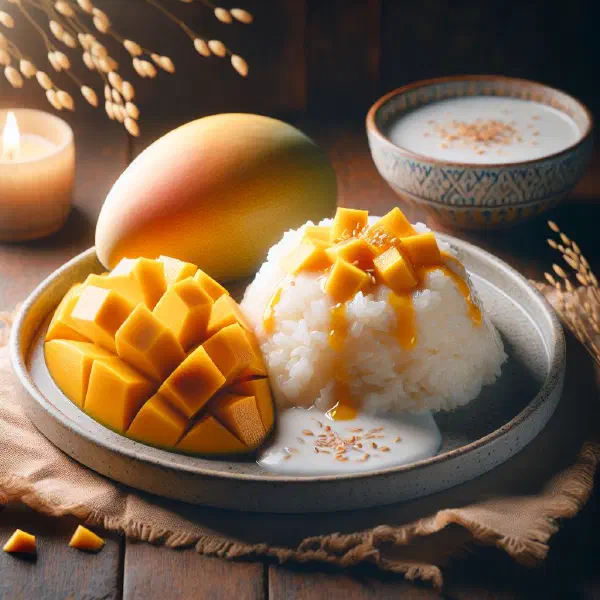
The htamane recipe is very flexible and easy to tune to personal preference. You might vary the quantity of peanuts, for instance, depending on how nutty you like it. Adding fresh fruit such as mango or pineapple can broaden the flavour profile too. Think of the balance struck by Mango Sticky Rice. Finally, dial the sweetness up or down to find your own perfect balance between sweet and savoury.
Ingredient substitutions
If you don’t have particular ingredients to hand, there are several alternatives. You can use ordinary rice in place of glutinous rice, although this will change the consistency somewhat. Almonds or cashews can stand in for peanuts and give the dish a fresh character. The coconut milk can be replaced with a plant-based cream as well, though this may shift the flavour slightly.
Drink pairing ideas
Htamane goes beautifully with Asian drinks such as a refreshing green tea or coconut water. Both harmonise with the creaminess of the dish and quench the thirst nicely. For something more festive, consider a fruity cocktail built around pineapple or mango. Choices like these help round out the whole experience of the meal.
Serving and presentation ideas
How you present htamane can shape that all-important first impression. Serve it in a bowl or on a plate and garnish with fresh herbs such as mint or coriander to create a small visual feast. Little dishes of extra peanuts or fresh fruit work well as decorative touches too. An appealing presentation builds anticipation and makes the eating all the more enjoyable.
A bit of history
The story of htamane reaches back centuries and is firmly rooted in the cultural identity of Myanmar. The dish is thought to have arisen in the country’s rural regions as part of everyday life, developing over time into a delicacy. Traditionally, htamane is associated with community and celebration, which underlines its social significance within Myanmar cuisine. It is frequently prepared for weddings, festivals and religious ceremonies to mark those special occasions.
More recipe ideas
Summary: Htamane
To sum up, htamane is a hearty and straightforward dish that captures the rich flavours and the culture of Myanmar perfectly. Its simple preparation and the scope for varying the ingredients make it a great choice for all sorts of occasions. This is a dish that is delicious and tells a story, one rooted deep in the country’s tradition and identity. For that reason htamane is more than just a recipe: it is a culinary experience well worth discovering.