National Dish Myanmar: Lahpet (Recipe)
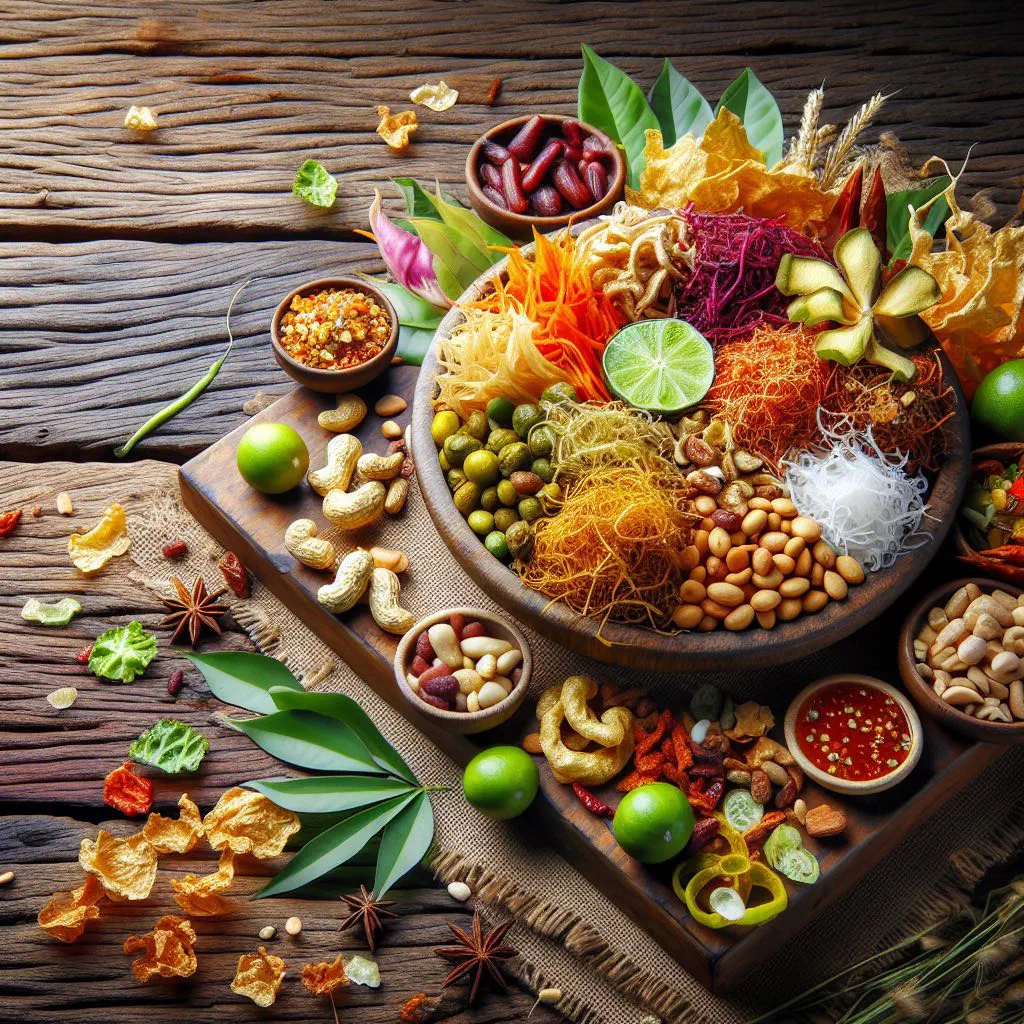
In this article
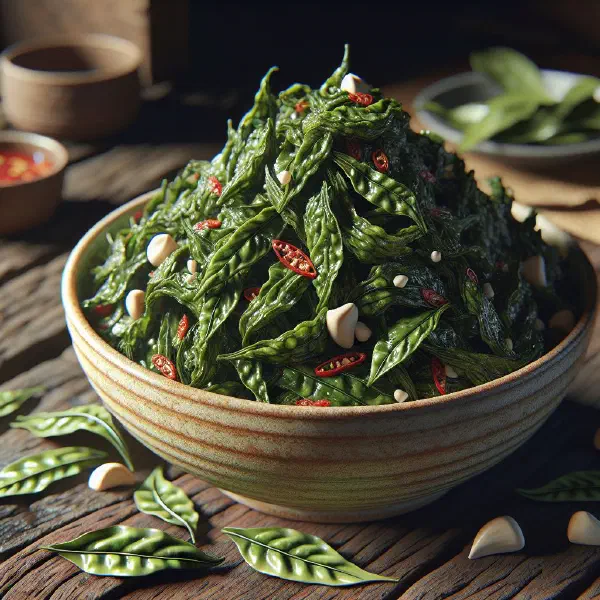
Discover Lahpet, one of the most distinctive things you will ever eat from Myanmar. Built around fermented tea leaves, crunchy peanuts and crisp fresh vegetables, it delivers a savoury, tangy, nutty mouthful quite unlike any other salad. It is a snack, a light meal and a gesture of hospitality all at once, and it brings the flavour of a Burmese tea house straight to your own table.
About Lahpet
Lahpet is a singular dish from Myanmar, defined by a combination of ingredients you will find nowhere else. Its foundation is fermented tea, which carries a long tradition in Burmese culture and lends the dish its savoury, faintly sour depth. Lahpet is remarkable to eat and a window into the eating habits and regional cooking of the country. If you are after a snack-style dish or a light main course, this is the perfect choice.
Ingredients (serves 1–2)
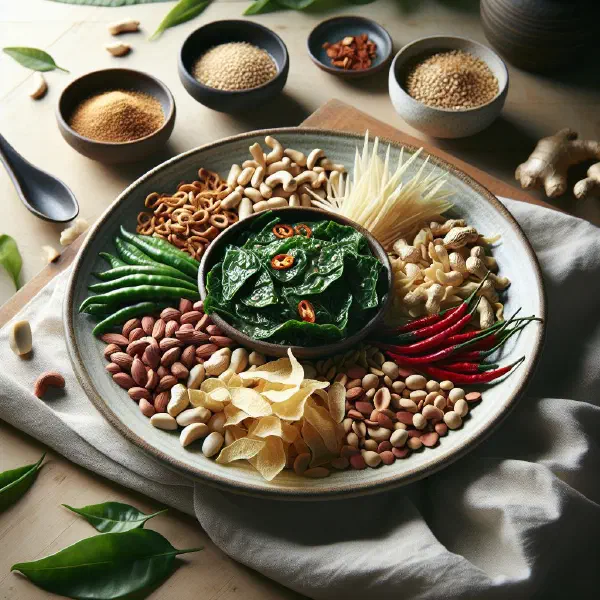
- 1 cup fermented tea leaves
- 1/2 cup chopped peanuts
- 1 cup fresh vegetables (carrots, cucumber, cabbage)
- 2 tablespoons sesame oil
- 1–2 tablespoons soy sauce (or an alternative sauce)
- Rock salt and pepper, to taste
- Fresh herbs such as coriander or mint
Shopping for the ingredients
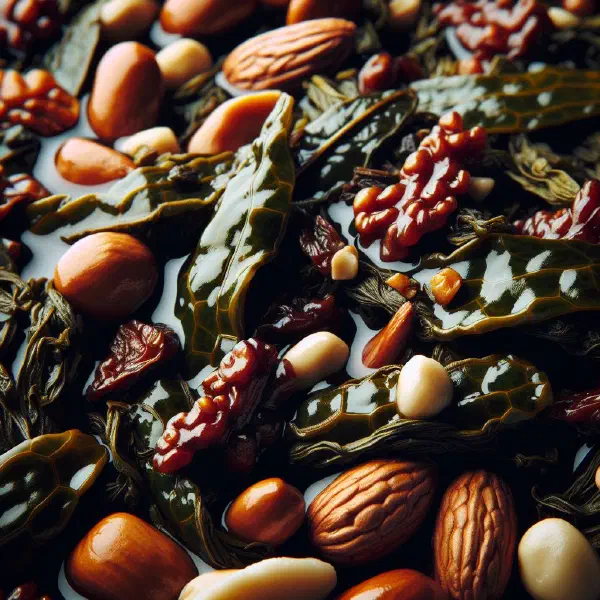
When shopping for lahpet, it pays to choose high-quality, fresh produce. The fermented tea leaves can be found in Asian grocers or ordered online. Make sure the vegetables are fresh and crisp, the crunch is half the pleasure of the dish. The peanuts can be bought roasted or unroasted, depending on how deep you want the nuttiness to run.
Preparing the dish
Preparing lahpet is straightforward and takes only a few steps. Start by draining the fermented tea leaves thoroughly to remove any excess liquid, which keeps the finished salad from turning watery. The fresh vegetables can then be washed and cut into fine strips or small dice, whichever you prefer. This bit of groundwork means the flavours mingle properly and every forkful comes together.
Step-by-step instructions
- In a large bowl, combine the drained fermented tea leaves with the sesame oil and soy sauce.
- Add the prepared vegetables, the chopped peanuts and the fresh herbs.
- Toss everything gently so the ingredients are evenly distributed.
- Season with rock salt and pepper, then leave to stand for a few minutes if you like.
- Arrange on plates and garnish to taste.
Gluten-free / lactose-free version
To make lahpet gluten-free, simply swap the soy sauce for a certified gluten-free version and check that the remaining ingredients are free of gluten too. As for lactose, the dish is naturally suitable, since it contains no dairy or animal products at all. Lahpet therefore remains a flexible option across a whole range of diets.
Tips for vegans and vegetarians
Lahpet is already an excellent choice for vegans and vegetarians, built as it is entirely from plant ingredients. Do check that your soy sauce is vegan, as some varieties contain animal-derived products. To ring the changes, add further vegetables or even tofu for an extra source of protein, much like the Chickpea Tofu Salad does. It makes the dish not just more nourishing but more satisfying to eat.
More tips and tricks
To get even more out of lahpet, try adding different spices or sauces. Experiment with chilli flakes or a splash of hot sauce for a sharper edge. The dish can also be served warm, which draws the aromas out and intensifies them. Above all, make it fresh. That is how you keep the textures lively and the flavours at their brightest.
Adapting the recipe to your taste
Lahpet is easy to tailor to your own preferences. Feel free to vary the vegetables according to season or availability, in the same spirit as a Ginger Salad. The quantity of peanuts can be adjusted too, if you want more crunch in every bite. Prefer something milder? Simply cut back on the spices and sauces to soften the overall flavour.
Ingredient substitutions
If certain ingredients for lahpet prove hard to track down, there are plenty of alternatives. Sesame oil can be replaced with another vegetable oil, while the soy sauce swaps neatly for tamari or coconut aminos. Instead of peanuts, other nuts or seeds work well, depending on your taste and the texture you are after. Substitutions like these keep the dish versatile and within everyone’s reach.
Drink pairing ideas
A refreshing drink suits a dish as lively as lahpet particularly well. A classic Burmese jasmine tea is an ideal companion, its floral notes rounding out the savoury tea leaves. Alternatively, a lightly sweetened mint tea or a fruity cooler will refresh the palate between mouthfuls. Keep the drinks on the less sugary side so they do not overwhelm the flavours on the plate.
Serving and presentation ideas
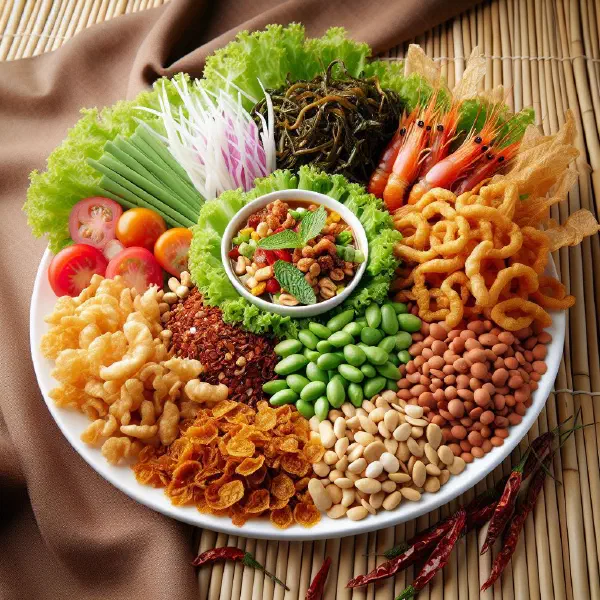
Presentation can lift the whole lahpet experience. Serve the dish in handsome bowls or on wide plates so the fresh colours of the vegetables show to their best advantage. A garnish of fresh herbs such as coriander or mint looks striking and adds another layer of freshness. You might also drizzle a little extra soy-based sauce over the top for one more dimension, visual and edible alike.
A bit of history
Lahpet has a long history in Myanmar and is regarded not merely as a dish but as a social symbol. The tea itself is often offered as a mark of respect and hospitality when guests arrive, a custom it shares with relatives such as Lahpet Thoke and the wider Tea Leaf Salad family. In many regions it appears at celebrations and special occasions, which underlines its cultural weight. Sharing lahpet with friends and family is a wonderful way into Myanmar cuisine.
More recipe ideas
- Fermented Tea Leaf Salad
- Pickled Tea Leaves With Nuts
- Burmese Pickled Tea Leaves
- Pennywort Salad
- Mohinga
Summary: Lahpet
In short, lahpet is a fascinating and deeply flavourful dish that captures the essence of Burmese cooking. Yet it is more than a dish; it is a piece of culture and tradition that you can bring to your own table. Try these remarkable combinations and discover how simple this national dish really is to prepare. It is a genuine pleasure, and one you should not let pass you by.