National Dish Myanmar: Tea Leaf Salad (Recipe)
In this article
Meet Tea Leaf Salad, the dish that shows just how singular Burmese cooking can be. Nowhere else does tea end up in a mixing bowl rather than a cup: earthy fermented tea leaves are tossed with crunchy roasted nuts, juicy tomato, sharp onion and a bright squeeze of lime. The result is savoury, tangy and wonderfully crisp all at once, a plate that turns an ordinary lunch into a small adventure.
About Tea Leaf Salad
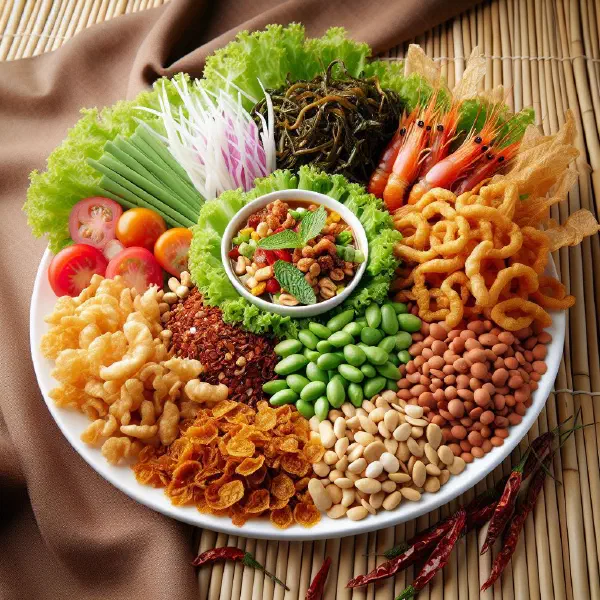
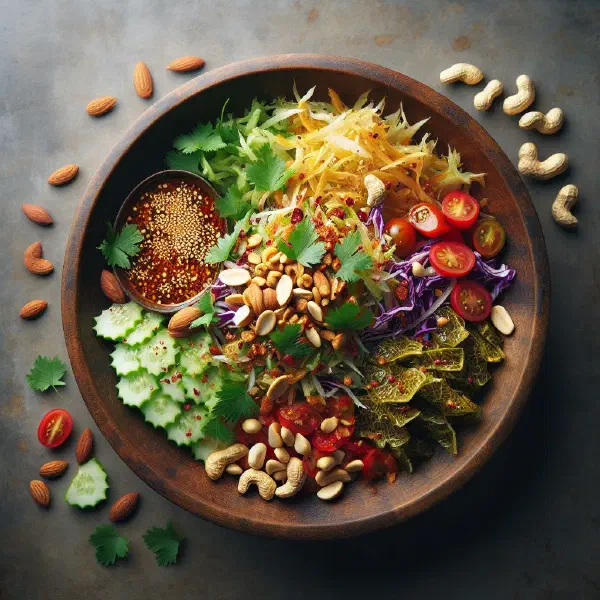
Tea Leaf Salad, known in Myanmar as Laphet Thoke, is a traditional dish that captures the character of Burmese cooking better than almost any other. It brings together the deep, slightly sour flavour of fermented tea leaves with a handful of fresh ingredients, and the two sides balance each other beautifully. The roasted peanuts deserve a special mention: they give the salad the satisfying crunch that makes it so hard to stop eating. Fall in love with the traditional flavours gathered on this one plate.
Ingredients (serves 1–2)
- 100 g fermented tea leaves
- 50 g roasted peanuts
- 1 small tomato, diced
- 1 small onion, thinly sliced
- 50 g fresh coriander, chopped
- 1–2 tablespoons lime juice
- 1–2 tablespoons fish sauce (or soy sauce for vegans)
- A pinch of salt and pepper
Shopping for the ingredients
When shopping for Tea Leaf Salad, look for good-quality, freshly fermented tea leaves. These are sold in specialist Asian grocers or can be ordered online. The other ingredients, the roasted nuts and the coriander in particular, should be as fresh as possible so the flavour comes through properly. Don’t overlook the quality of the fish sauce or soy sauce either, as it does much of the seasoning work in the finished salad.
Preparing the dish
Before you start on the Tea Leaf Salad, wash and prepare all the ingredients thoroughly. Cut the vegetables into small pieces so they distribute evenly through the salad. The roasted peanuts can be roughly chopped to add extra texture. Take your time over these steps. They shape both the taste and the look of the finished dish more than you might expect.
Step-by-step instructions
- Tip the fermented tea leaves into a bowl and loosen them gently with a fork.
- Add the diced tomato, the sliced onion and the chopped coriander.
- Scatter the roasted peanuts over the top and toss everything together well.
- Add the lime juice and fish sauce (or soy sauce) and season to taste with salt and pepper.
- Arrange the salad on a plate and enjoy straight away.
Gluten-free / lactose-free version
Tea Leaf Salad is easy to make gluten-free and lactose-free. Use a gluten-free soy sauce in place of the fish sauce to keep the salty depth without any gluten. Because the salad is served fresh and consists mainly of plant-based ingredients, it is naturally lactose-free, which makes it an ideal choice for anyone managing those intolerances.
Tips for vegans and vegetarians
Vegans can enjoy Tea Leaf Salad simply by swapping the fish sauce for a plant-based alternative such as soy sauce. Peanuts are the classic choice of nut, but almonds or cashews are well worth a try if you fancy a different flavour. Using regional vegetables not only keeps the dish fresher, it also supports local growers. Experiment with herbs such as mint or parsley to open up new directions, the same spirit that carries a good Chickpea Tofu Salad.
More tips and tricks
To make Tea Leaf Salad even more moreish, add a little chilli or garlic. Both give the dish an extra dimension and a welcome kick of heat. If you are cooking for a larger group, double or triple the quantities and adjust the fish sauce and lime juice by taste rather than by strict measurement. Serve the salad freshly mixed to preserve the aromas of the ingredients and get the best out of every mouthful.
Adapting the recipe to your taste
Tea Leaf Salad is remarkably adaptable. If you would like a gentler flavour, reduce the quantity of fermented tea leaves or replace some of them with fresh ones. You can also fold in seasonal vegetables to give the salad more variety. Just make sure any new additions sit well with the existing flavours so the balance holds. Your creative flair is very much welcome here.
Ingredient substitutions
If you cannot lay your hands on particular ingredients for Tea Leaf Salad, alternatives are easy to find. Instead of peanuts, use other nuts or even seeds such as sunflower seeds. A wide range of vegetables, peppers or cucumber, for example, make excellent fresh additions, much as they do in a bright Ginger Salad.
Drink pairing ideas
A freshly made Tea Leaf Salad calls for something refreshing in the glass. Try a simple lime soda or a mild green tea to echo the flavours on the plate. A well-chilled, versatile white wine also supports the various notes rather nicely. For an alcohol-free option, a homemade iced tea is ideal for quenching a thirst on a warm day.
Serving and presentation ideas
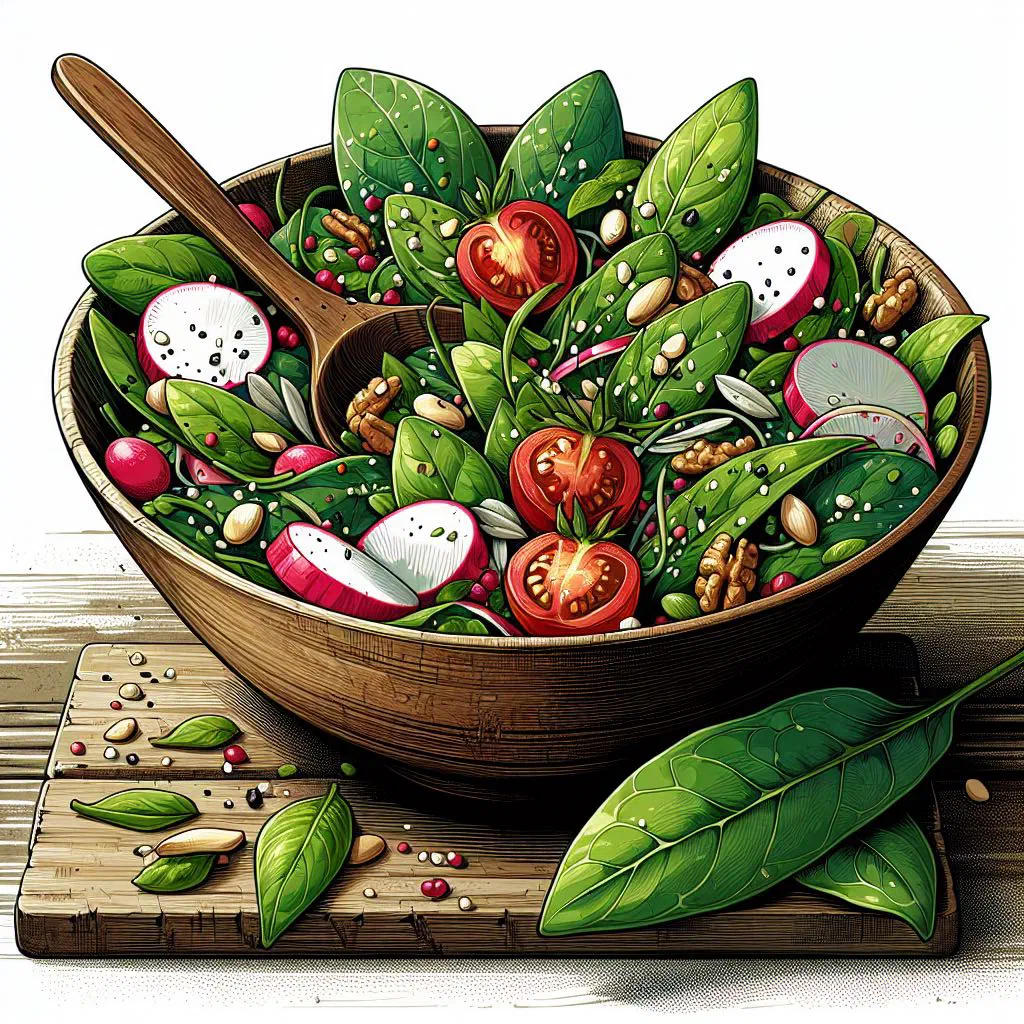
To present Tea Leaf Salad attractively, use a handsome deep plate or a bowl that lets the salad’s colours shine. Garnished with fresh coriander or a wedge of lime, it looks especially appetising. A thoughtful arrangement of the ingredients adds to the pleasure of eating it. Serve the dish alongside an extra dip or a small dessert such as Coconut Jelly for a complete menu.
A bit of history
Tea Leaf Salad has a long tradition in Myanmar. It was originally made from the leaves of the tea plant, valued precisely for the flavour that fermentation brings out in them. Eating this salad is deeply rooted in Burmese culture, as it is frequently served at social gatherings. The dish reflects the culinary range of Myanmar cuisine and the country’s profound cultural ties to growing and drinking tea.
More recipe ideas
Summary: Tea Leaf Salad
Tea Leaf Salad is an outstanding way into Burmese cuisine and a chance to bring a piece of the country’s culture to your table. With its harmonious combination of fermented tea leaves, fresh vegetables and roasted nuts, it appeals to the eye as much as the palate. This salad is versatile and endlessly adaptable. Experience the flavours of Myanmar and enjoy this delicious recipe.