National Dish Namibia: Baked Kudu Ribs (Recipe)
In this article
Meet Baked Kudu Ribs, a celebratory roast that captures the wide-open spirit of Namibia’s game country. Kudu meat is lean, tender and gently sweet, and a long soak in a spiced marinade of garlic, paprika, cumin and lemon turns it into something genuinely memorable. Slow-baked until burnished and golden, these ribs are the sort of centrepiece that draws everyone to the table. Perfect for a gathering, a birthday or simply a weekend worth marking.
About Baked Kudu Ribs
Baked kudu ribs are a real feast, and they embody the flavours and traditions of Namibian cooking beautifully. The kudu, a wild antelope roaming the vast landscapes of southern Africa, gives meat that is tender and deeply aromatic, meat that, handled well, becomes an incomparable pleasure. These ribs are a favourite in everyday Namibian kitchens and at celebrations and special occasions. The preparation brings together spice-rich marinades and gentle cooking techniques that underline the natural character of the meat rather than masking it.
Ingredients (serves 1–2)
- 500 g kudu ribs
- 2 tablespoons olive oil
- 2 cloves of garlic, finely chopped
- 1 teaspoon paprika
- 1 teaspoon cumin
- Salt and pepper to taste
- 1 lemon, juice and zest
- Fresh herbs (rosemary or thyme, for example), to garnish
Shopping for the ingredients
To make baked kudu ribs properly, it pays to choose fresh, high-quality ingredients. Visit your local butcher or a specialist game dealer to be sure of getting the best kudu meat available. Buy your spices fresh too, as they have a considerable influence on the overall flavour of the finished dish. Careful shopping is the first real step into the pleasures of this kind of cooking, much as it is with a slow-simmered Kudu Stew.
Preparing the dish
Preparing the kudu ribs involves a few stages that together guarantee tender, flavourful meat. Begin by marinating the ribs, which gives the meat time to take on the aromas of the spices. Ideally, leave them to marinate overnight so the flavours have every chance to develop. A good marinade is the key to the whole dish and makes the difference between a pleasant supper and a memorable one.
Step-by-step instructions
- Place the kudu ribs in a bowl and coat them with the olive oil, garlic, paprika, cumin, salt, pepper and the lemon juice and zest.
- Leave the ribs to marinate for at least 1 hour, or better still overnight in the fridge.
- Preheat the oven to 180 °C.
- Lay the marinated ribs on a baking tray and bake for about 1.5 hours, until handsomely golden brown.
- Garnish with fresh herbs just before serving.
Gluten-free / lactose-free version
Baked kudu ribs are naturally gluten-free and lactose-free, which makes them an excellent choice for anyone with an allergy or intolerance. When putting the marinade together, simply check that all the spices and oils you use are certified gluten-free so there is no risk of cross-contamination. Working with fresh ingredients keeps the dish accessible to a wide range of dietary needs. That flexibility means the recipe adapts easily without any loss of flavour.
Tips for vegans and vegetarians
Although baked kudu ribs are firmly a meat dish, the flavours of this corner of Namibian cooking can be enjoyed in vegan and vegetarian form too. Consider replacing the kudu with a plant-based protein such as roasted aubergine or jackfruit. The spices and marinade can be used in exactly the same way to achieve a comparable depth of flavour. A hearty Pumpkin and Peanut Stew makes another satisfying meat-free option for the same table.
More tips and tricks
A few extra pointers will help you get the very best from your kudu ribs. Use a meat thermometer to check the internal temperature accurately, so the meat is cooked exactly as you want it. For added depth, baste the ribs with the marinade several times while they bake. Experiment with different herbs and spices to shift the character of the dish towards your own taste. Small adjustments like these are often what separate a good result from a great one.
Adapting the recipe to your taste
The recipe for baked kudu ribs takes very kindly to personal preference. You can vary the spices to steer the flavour sweeter or hotter as the mood takes you. Try different marinades, adding honey or chilli, for instance, to change the direction entirely. The result is a fresh eating experience each time, tuned precisely to what you and your guests actually enjoy.
Ingredient substitutions
If some of the ingredients for baked kudu ribs prove hard to track down, there are plenty of alternatives. Olive oil, for example, can be swapped for another good-quality vegetable oil without any real loss. In place of cumin you might reach for a well-made vegetable stock to build a similar savoury backbone. Other game meats work well too, the ribs used in Dama Ribs take the same treatment. Being creative with substitutions keeps the dish tasty and authentic without compromising on quality.
Drink pairing ideas
A good range of drinks suits baked kudu ribs and rounds out the meal nicely. A full-bodied red wine such as a Cabernet Sauvignon or Merlot complements the savoury notes of the meat splendidly. For an alcohol-free option, a fresh lemon and ginger tea picks up the spices in the marinade rather well. Serve everything at the right temperature so the drinks accompany the food properly and let the aromas come through.
Serving and presentation ideas
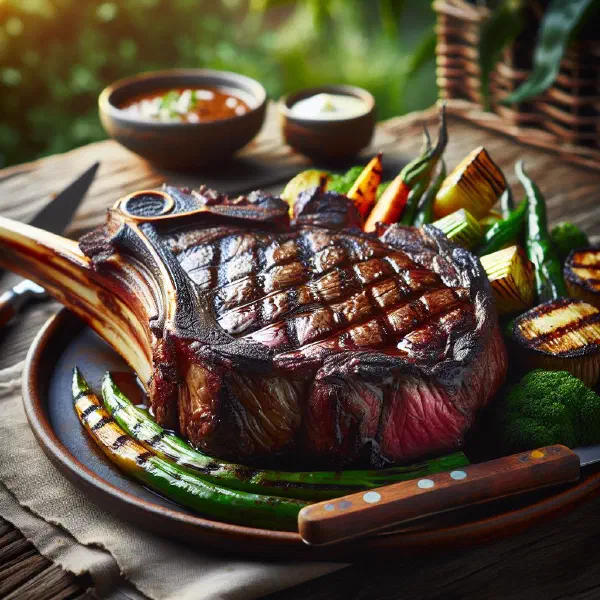
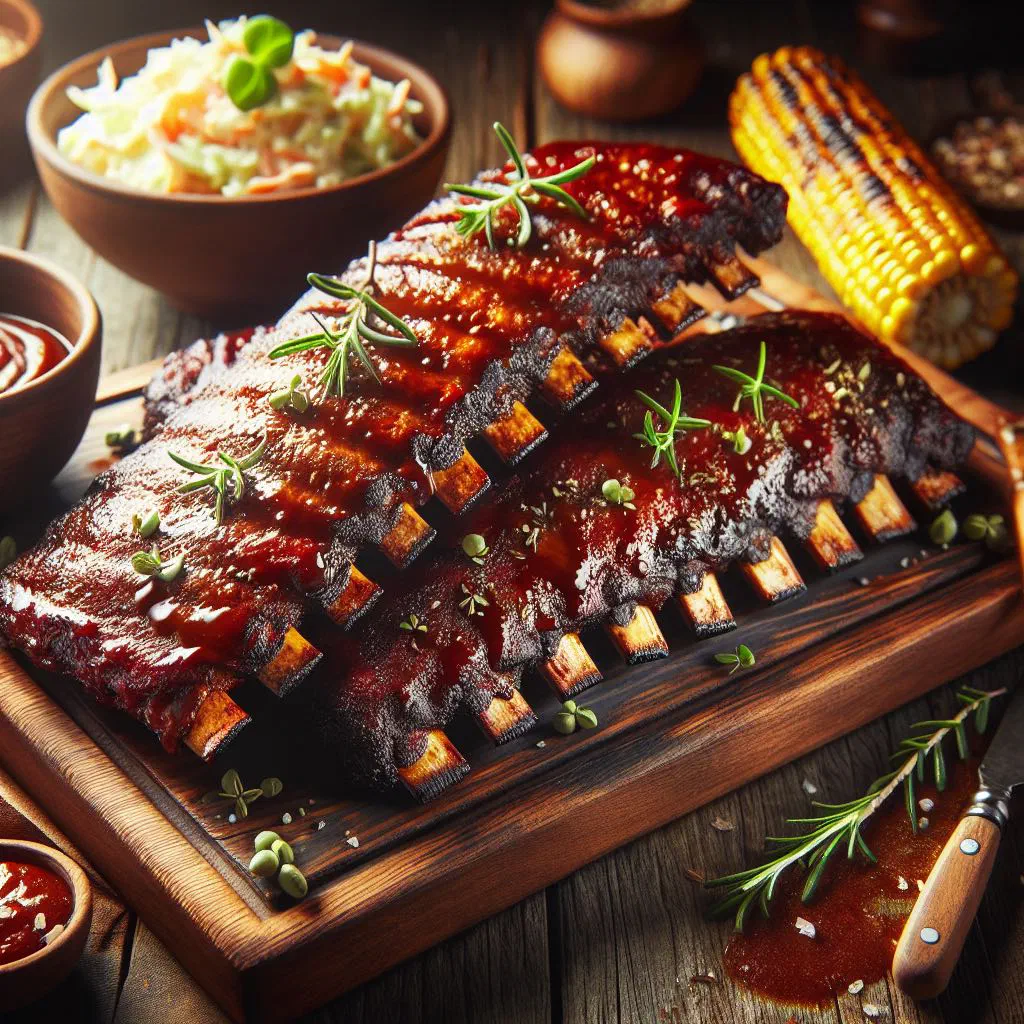
Presentation can lift the enjoyment of baked kudu ribs considerably. Serve them on a rustic wooden board, garnished with fresh herbs and lemon slices for an inviting look. Use colourful sides, a bright salad or some roasted vegetables, to liven up the plate, or a bowl of Chakalaka for a bit of heat alongside. A thoughtful arrangement is a pleasure to bring to the table and adds to the whole occasion.
A bit of history
Baked kudu ribs have their roots in the traditional cooking of Namibia, where game meat plays a central role. The kudu is a symbol of Namibian wildlife and an important part of the country’s culinary culture. The dish reflects the lives of people who live in step with nature and make good use of the resources around them. Preparing and sharing kudu ribs is therefore more than a cooking tradition. It is part of the cultural identity woven through Namibian cuisine.
More recipe ideas
Summary: Baked Kudu Ribs
Baked kudu ribs are a festive dish that tastes wonderful and brings a piece of Namibian culture to the table along with it. The preparation calls for only a handful of steps, all of which slot easily into ordinary cooking routines. With good ingredients and a well-judged marinade, you can create something genuinely memorable. Whether for a relaxed get-together or a special occasion, baked kudu ribs will almost certainly be the main attraction on any menu.