National Dish Namibia: Chakalaka (Recipe)
In this article
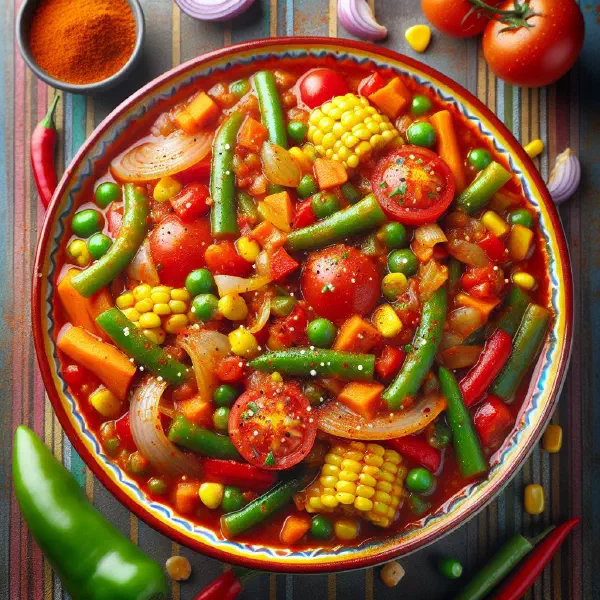
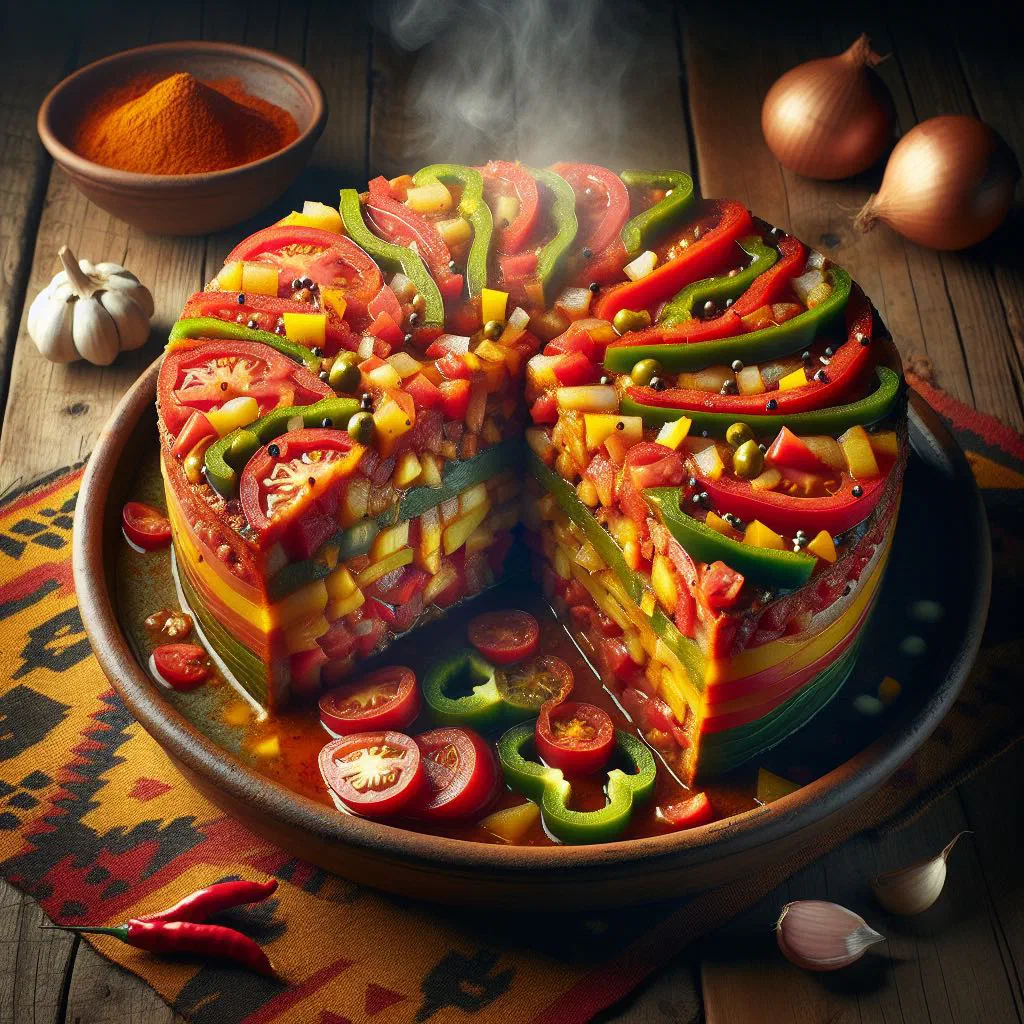
Meet Chakalaka, the fiery vegetable relish that turns up at practically every Namibian braai. Sweet peppers, onions and ripe tomatoes are cooked down with curry powder and paprika until they form a glossy, gently spiced mixture that is equally at home beside grilled meat or piled onto a plate of its own. It takes barely half an hour to make, keeps beautifully in the fridge, and tastes even better the next day.
About Chakalaka
Chakalaka is a traditional spiced vegetable dish with deep roots in Namibia, and it is just as popular across the wider southern African region. Its charm lies in the combination of fresh ingredients, peppers, onions and tomatoes, brought together with a generous handful of warming spices. The dish does more than deliver wonderful aromas: it reflects the sheer variety of Namibian cuisine. Chakalaka is an excellent choice that pleases every palate.
Ingredients (serves 1–2)
- 1 onion
- 1 pepper (red or green)
- 2 tomatoes
- 1–2 cloves of garlic
- 1 carrot
- 1 teaspoon paprika powder
- 1 teaspoon curry powder
- Salt and pepper to taste
- Oil, for frying
- Optional: chilli for extra heat
Shopping for the ingredients
If you want to make chakalaka, you will find most of the ingredients in your local supermarket. Fresh vegetables such as onions, peppers and tomatoes are ideally bought organic, as this gives the best flavour. When buying spices, look for good-quality products. They make all the difference to the finished dish. If fresh produce is hard to come by, frozen vegetables work perfectly well and are often just as nutritious.
Preparing the dish
Before you start cooking chakalaka, it is important to get everything ready. Wash the vegetables and cut them into small, even pieces so they cook at the same rate. Finely chop the garlic cloves to draw out as much flavour as possible. Have all your spices measured out and to hand, so you never have to skip a step once the pan is hot.
Step-by-step instructions
- Heat a little oil in a pan and add the diced onion, cooking until translucent.
- Add the chopped garlic, the pepper and the carrot, and fry everything for a few minutes.
- Stir in the diced tomatoes along with the spices (paprika and curry powder) and let the mixture bubble gently.
- Stir well and simmer for a further 10–15 minutes, until the vegetables are soft.
- Season with salt and pepper, add chilli if you like, and serve.
Gluten-free / lactose-free version
The recipe for chakalaka is naturally gluten-free and lactose-free, since it contains neither grains nor dairy. That makes it an ideal choice for anyone with food intolerances, as well as for vegans. Do check that the spices and oils you use are certified gluten-free. Dishes like this one offer a delicious way to eat varied, satisfying food without reaching for traditional wheat- or milk-based ingredients.
Tips for vegans and vegetarians
One of the best things about chakalaka is its versatility, which makes it ideal for vegans and vegetarians alike. The vegetables can be swapped around according to the season and what is available. Stir in chickpeas or lentils for extra protein and a more substantial result, the same trick that works well in a Namibian Bean Stew. A scattering of fresh herbs such as coriander at the end lifts the whole dish.
More tips and tricks
To make chakalaka even tastier, give the vegetables a light dry-roasting before you add the liquid. This intensifies the aromas and gives a better texture. Experiment with different spices to steer the flavour in new directions. And remember to finish the dish with a squeeze of lemon or lime, which brightens everything up beautifully.
Adapting the recipe to your taste
The recipe is easy to tailor to your own preferences. If you like it hotter, add more chilli or a dash of hot sauce; if you prefer it mild, hold back. You can also throw in other vegetables such as courgette or aubergine for a fresh texture and taste. Variations are not merely allowed here. They are positively encouraged.
Ingredient substitutions
If certain ingredients are not to your liking or simply not available, alternatives abound. Instead of peppers, try broccoli or spinach, much as you would in a Spinach and Groundnut Stew. For the tomatoes, tinned tomatoes or a spoonful of tomato purée will deepen the flavour nicely.
Drink pairing ideas
A hearty dish like chakalaka goes well with all sorts of drinks. A refreshing lager or a fruity white wine both work beautifully alongside its spice. For an alcohol-free option, serve a fresh lime and mint cooler, which echoes the warm spicing wonderfully, or a fruity Marula Fruit Drink. Whatever you choose, make sure the drink supports rather than overwhelms the range of flavours on the plate.
Serving and presentation ideas
Presentation matters here just as much as taste. Serve the dish in a colourful bowl and garnish it with fresh herbs or a squeeze of lemon. A good side, freshly baked Braai Bread or a bowl of aromatic Pap, turns it into a complete meal. Aim to combine different colours and textures on the plate for a spread that looks as good as it tastes.
A bit of history
Chakalaka is more than a dish; it is part of southern African culture and culinary tradition. Originally popularised by the Zulu in South Africa, it has spread over the years throughout Namibia and far beyond. It is often served at celebrations or braai evenings, and is known for its bold flavour and adaptability. Wherever it appears, chakalaka is a symbol of the joy of sharing food and good company.
More recipe ideas
Summary: Chakalaka
All in all, chakalaka is a must-try for anyone who wants to explore the variety of African cooking. It is simple to prepare, endlessly adaptable, and delivers an explosion of flavour. Served as a side or as a main course, it is a perfect choice for almost any meal. Let this traditional recipe inspire you and enjoy a tour to Namibia.