National Dish Namibia: Namibian Sourdough Bread (Recipe)
In this article
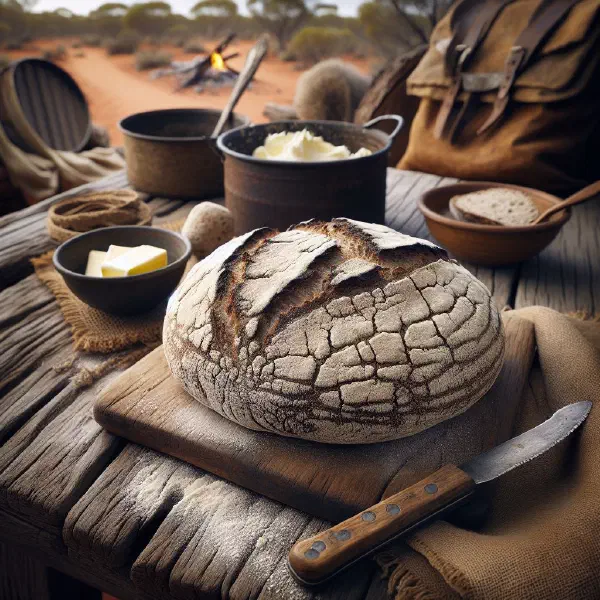
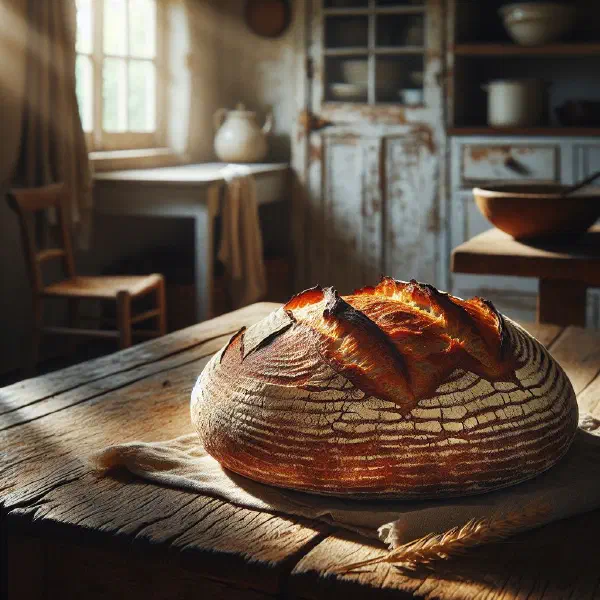
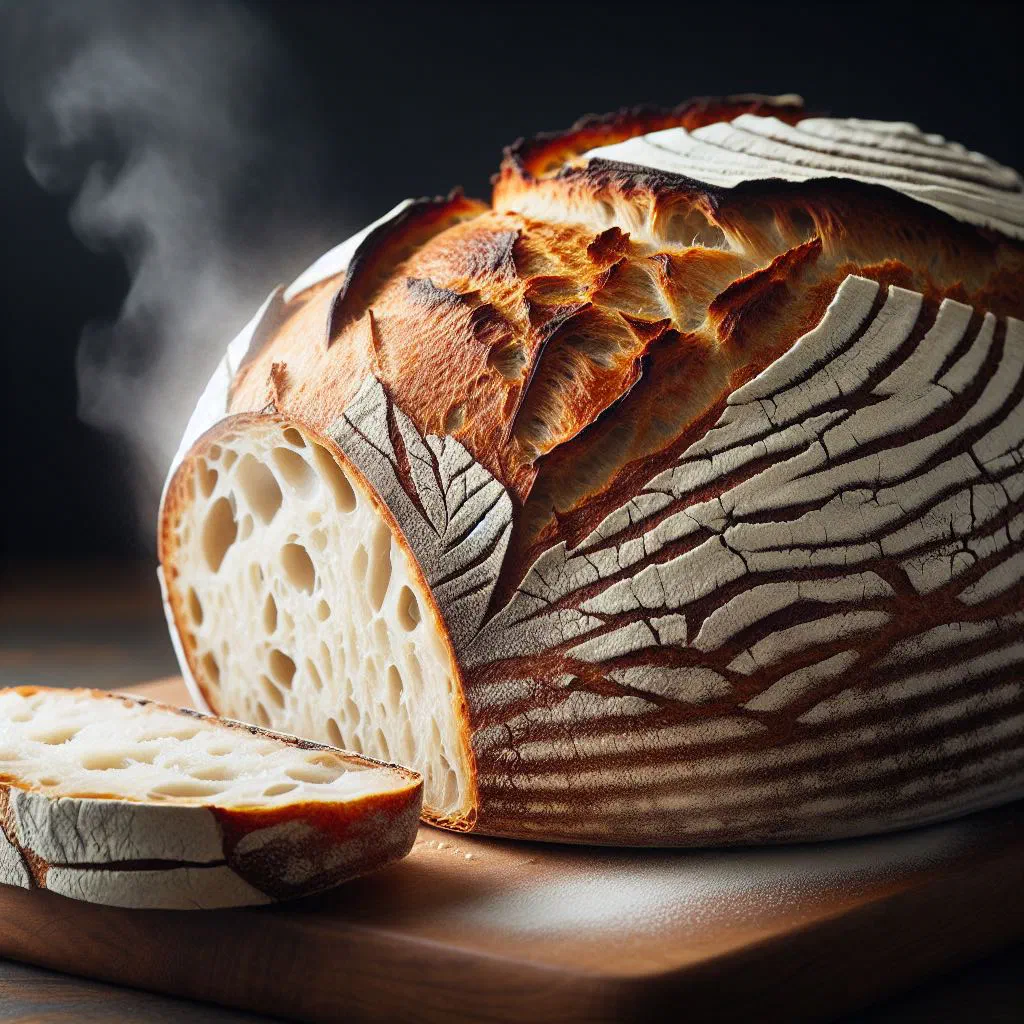
Few things fill a kitchen with as much warmth as a loaf of Namibian sourdough bread coming out of the oven. Crackling crust, soft open crumb and that gentle tang that only a well-fed starter can give. This is bread with real character. It has been baked to the same simple formula for generations, and it belongs on the table at breakfast, lunch and supper alike. All it asks of you is a little patience and a warm corner of the kitchen.
About Namibian Sourdough Bread
Namibian sourdough bread is a genuine piece of cultural heritage, rooted deep in the country’s history and traditions. It has been baked to old family recipes for generations and has grown into a much-loved staple. Whether at breakfast, lunch or dinner, this sourdough is a versatile companion that no kitchen should be without.
Ingredients (serves 1–2)
- 500 g wheat flour
- 300 ml water
- 100 g sourdough starter
- 10 g salt
- 1 tablespoon honey or sugar
Shopping for the ingredients
When shopping for the ingredients, it pays to pay attention to quality. Choose fresh wheat flour with no additives to get the best possible result. A lively sourdough starter is the decisive factor, since it brings out the bread’s characteristic flavour and texture. Some local bakeries and health-food shops sell flour milled specifically for sourdough baking, which is well worth seeking out.
Preparing the dish
Preparing Namibian sourdough bread takes a little patience, but it is by no means complicated. Begin by feeding your starter well so that it stays active and bubbly. Mix the ingredients thoroughly to bring the dough together into a smooth, even mass. Then leave the dough to rest somewhere warm, giving it the time it needs to rise and develop its full aroma, much the same unhurried approach that makes a good Vetkoek worth the wait.
Step-by-step instructions
- Combine the sourdough starter, flour, water, honey and salt in a large bowl.
- Knead the dough for about 10 minutes, until it is smooth and elastic.
- Leave the dough to rise in a covered bowl in a warm place for 4 to 8 hours.
- After resting, shape the dough into a round loaf.
- Bake in a preheated oven at 220 °C for 30–40 minutes, until deep golden brown.
Gluten-free / lactose-free version
A gluten-free and lactose-free version of Namibian sourdough bread is perfectly achievable. For the gluten-free route, use a good gluten-free flour blend, and add a binder such as guar gum to reach the right consistency. Water or a plant-based milk works fine as the liquid, so the loaf is naturally free of lactose. Do experiment with different flours until you find the flavour and crumb that suit you best.
Tips for vegans and vegetarians
The loaf suits vegans and vegetarians beautifully, as it contains no animal products to begin with. Just note that the honey is optional and can easily be swapped for sugar or agave syrup. If you would like to boost the nutritional value, try working linseed or chia seeds into the dough. They add flavour as well as making the bread that bit more wholesome.
More tips and tricks
A few small tricks will help you bake the perfect loaf. For a crunchier crust, place a small dish of water in the oven while the bread bakes, so steam can work on the surface. It is also worth kneading the dough thoroughly, as this is what allows it to rise properly. Good-quality tins, scrapers and a sturdy bowl make the whole process easier and more efficient.
Adapting the recipe to your taste
One of the great advantages of this bread is how readily it can be adapted to personal taste. Add different seeds and nuts for extra flavour and crunch. Experimenting with herbs or spices can also give the loaf an exciting new twist. Do not be shy about being creative and folding in ingredients of your own.
Ingredient substitutions
When it comes to substitutions, there are plenty of options. Instead of wheat flour you might use spelt flour, which many people find easier to digest. If you have no sourdough starter to hand, a quicker yeast-based method will work, though it does change both the flavour and the texture. You could equally lean towards maize, as in the savoury Savory Cornbread, for a different character altogether.
Drink pairing ideas
Namibian sourdough bread goes well with a wide range of drinks. A good red or white wine makes a fine partner for a hearty meal built around the loaf. Freshly pressed juices work nicely too, as do savoury vegetable broths for dipping. Think about which aromas you want to bring together, and let the drink round off the experience.
Serving and presentation ideas
Thoughtful presentation lifts the whole thing considerably. Serve the bread on a rustic wooden board and cut it into even slices. Decorate with a few fresh herbs, or set out a small selection of spreads, a spoonful of Namibische Marula Marmelade alongside is especially good. Do not forget to serve the bread warm, so the aromas really come alive.
A bit of history
The history of Namibian sourdough bread reaches far back and reflects the culinary traditions of the country’s many peoples. It stands not only for sustenance but for community and culture. The sour starter that gives the loaf its distinctive taste often descends from old recipes passed down across generations. In Namibia, bread is far more than something to eat. It carries real cultural weight within Namibian cuisine, much like the everyday staples Mieliepap and Oshifima.
More recipe ideas
- Vetkoek Mit Hackfleischfuellung
- Namibischer Bohneneintopf
- Namibischer Apfelkuchen
- Tomatensmoor
- Samp And Beans
Summary: Namibian Sourdough Bread
In short, Namibian sourdough bread is a wonderful bake, as rich in history as it is in flavour. Its versatility makes it an ideal companion for countless dishes and occasions. The pleasure of baking and eating it is guaranteed. Bring a piece of Namibia into your own kitchen and let this special loaf earn its place on your table.