National Dish Namibia: Oshifima with Ombidi (Recipe)
In this article
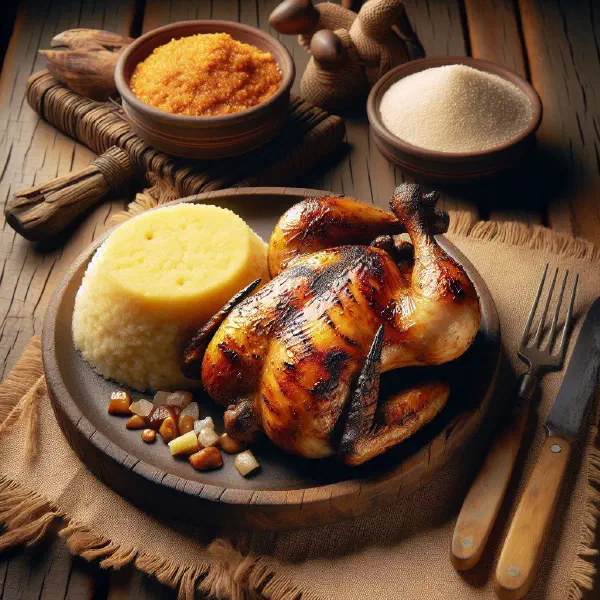
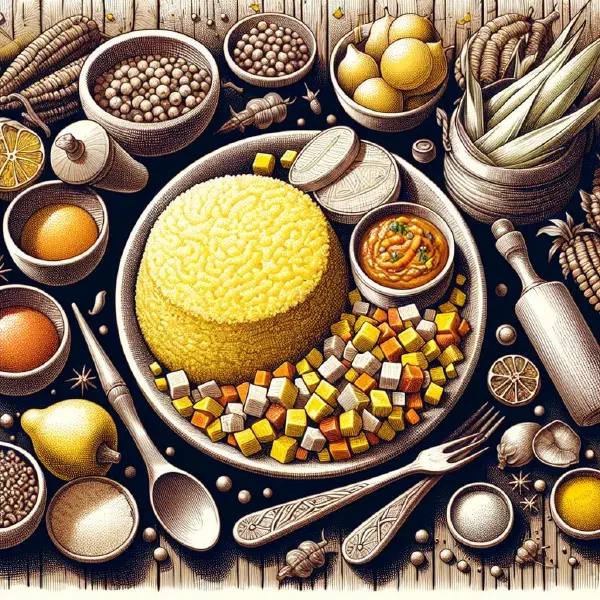
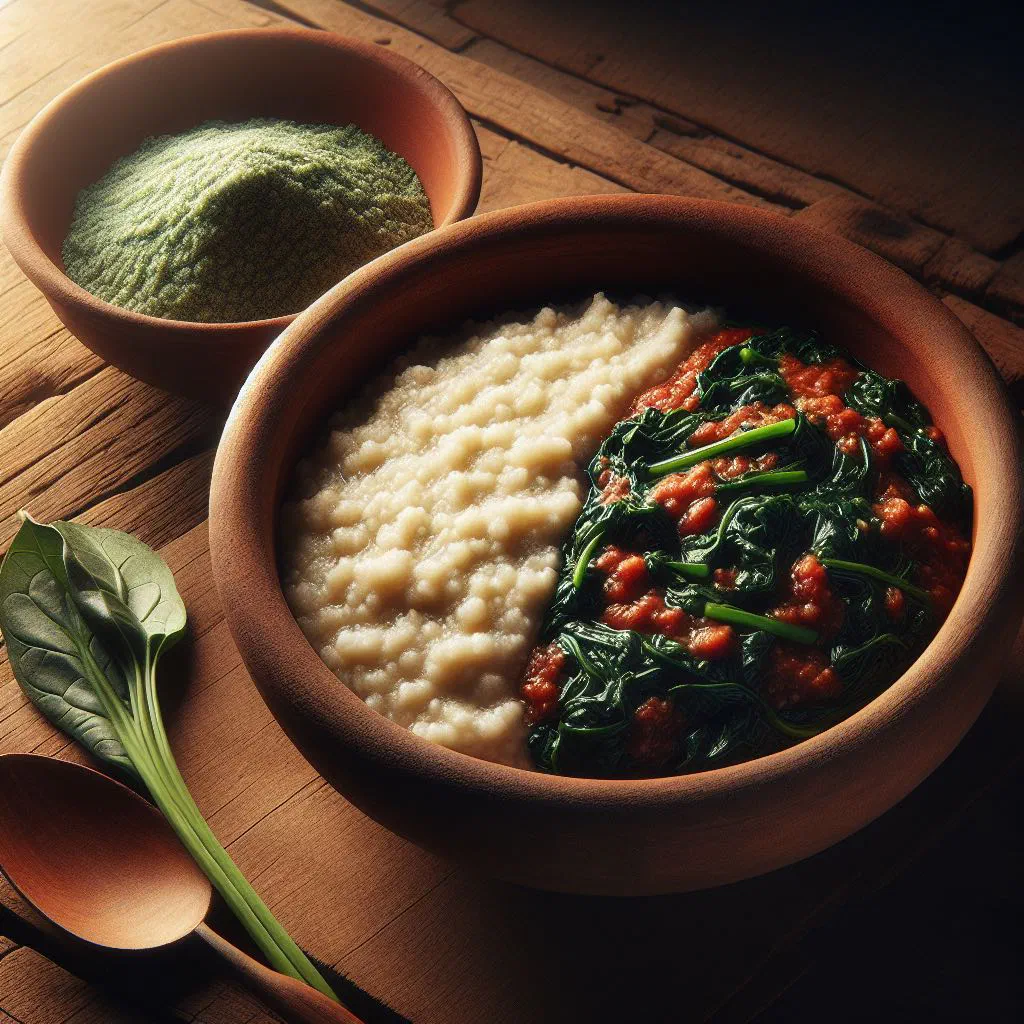
Meet Oshifima with Ombidi, the dish that sits at the very heart of Namibian home cooking. A smooth, firm mound of maize porridge is scooped up by hand and dipped into a savoury sauce of tender meat, vegetables and leafy greens. It is filling, warming and unfussy, the kind of food that draws everyone to the same table and keeps them there. Simple ingredients, patient stirring, and a taste of Namibia in every mouthful.
About Oshifima with Ombidi
Africa has a wonderfully rich culinary tradition, and Oshifima with Ombidi is a prime example of it. The dish is often served at special occasions and celebrations, because it does more than fill hungry stomachs. It brings people together. Preparing it takes patience and a certain knack, and every family recipe varies a little from one region to the next. That makes the dish a culinary experience and a living piece of Namibian culture, passed from one generation to the next.
Ingredients (serves 1–2)
- 1 cup maize meal
- 2 cups water
- 1 cup vegetables (carrots, onions, peppers)
- 200 g meat (beef or chicken)
- Spices to taste (salt, pepper, garlic)
Shopping for the ingredients
To make Oshifima with Ombidi properly, it is worth choosing good-quality ingredients so the flavours really come through. Visit a local market or a well-stocked supermarket to find fresh vegetables and meat. Taking a moment to check the quality of what you buy makes all the difference to the finished dish. Keep an eye out for seasonal offers too, which will keep your shopping costs down while guaranteeing freshness.
Preparing the dish
Good preparation is the first step towards a delicious Oshifima with Ombidi. Begin by washing and chopping the vegetables carefully so they cook through evenly. The meat should likewise be cut into small pieces to keep every bite tender and juicy. These groundwork steps are essential if you want the flavours to come together harmoniously in the pan, much as they do in a slow-cooked Kudu Stew.
Step-by-step instructions
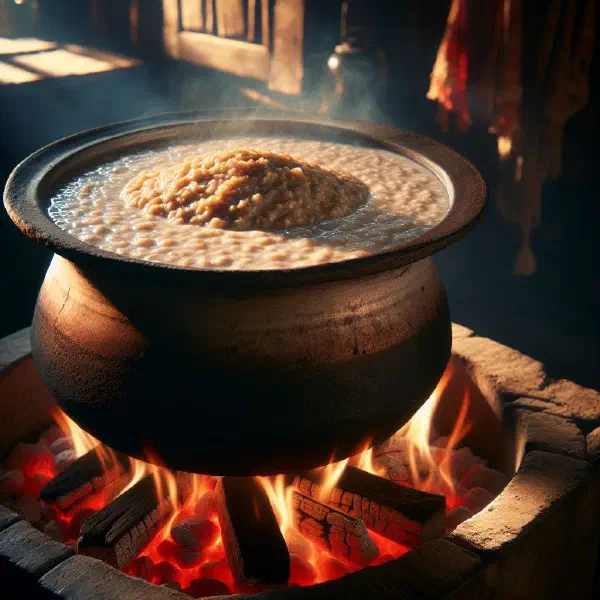
- Bring the water to the boil in a large saucepan.
- Add the maize meal while stirring constantly, until a thick consistency forms.
- Fry the vegetables and the meat in a separate pan until cooked through.
- Pour the finished sauce over the oshifima and mix well.
Gluten-free / lactose-free version
For a gluten-free version of oshifima you can simply rely on maize meal, which is naturally free from gluten. The remaining ingredients are usually lactose-free as well. Do check, however, that the spices and the meat you use contain no unwanted additives. By working with fresh, unprocessed ingredients you can be confident that your dish meets every kind of special dietary requirement.
Tips for vegans and vegetarians
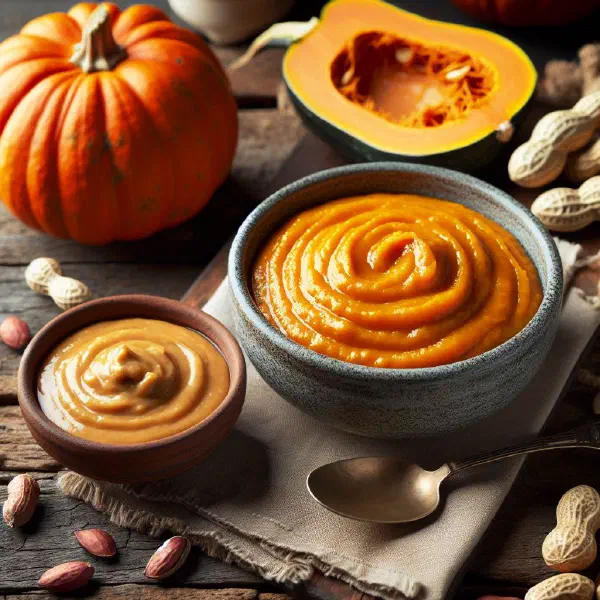
For a vegan or vegetarian version of oshifima, simply replace the meat with plant-based proteins such as lentils or chickpeas. You can also load the sauce with extra vegetables to boost its nutritional variety, the same approach that works beautifully in a Pumpkin and Peanut Stew. Spices such as cumin and coriander lift the flavour to another level entirely. These adjustments not only make the dish accessible to vegans, they genuinely enrich the eating experience.
More tips and tricks
To get the best possible result, choosing the right cooking technique matters. When cooking oshifima, always keep the heat under control to stop it catching on the bottom of the pan. If you struggle with the consistency of the maize meal, adjust it with a little more water. It is worth cooking the mixture until it is completely smooth and free of lumps, which guarantees the ideal texture.
Adapting the recipe to your taste
Oshifima with Ombidi is an extremely flexible dish that adapts easily to different preferences. Experiment with different kinds of vegetables or cuts of meat to create your own version. Different spice blends can give the dish an entirely new character as well.
Ingredient substitutions
If you do not have every listed ingredient to hand, there are plenty of alternatives. Instead of maize meal you might use quinoa flour or rice flour for a slightly different flavour, or reach for the pearl millet used in Mahangu Porridge. For the sauce, vegetable stock adds welcome extra depth. Swaps like these help you adapt the dish to your personal preferences and to whatever is available, without losing flavour or quality.
Drink pairing ideas
A number of drinks go well with Oshifima with Ombidi and round off the whole experience. A refreshing berry drink or a traditional Namibian tea makes a perfect accompaniment. A lightly chilled lager also harmonises nicely with the hearty flavours of the sauce. Choose drinks that complement the aromas of the dish and help you enjoy the meal to the full.
Serving and presentation ideas
Presentation plays an important part in making the dish look as good as it tastes. Serve Oshifima with Ombidi on a large platter and decorate it with fresh herbs or a scattering of spices. You can also present the sauce separately in a small bowl so everyone can help themselves. A pleasant setting in which the food is served makes the whole culinary experience that much richer.
A bit of history
Oshifima with Ombidi has deep-rooted traditions in Namibia and forms part of the food culture of many indigenous peoples. It stands for far more than a meal: it stands for community and belonging. Through the shared work of cooking and eating, it becomes a social occasion that draws people together. The dish has evolved over time yet stayed true to its origins, and it remains a defining element of Namibian cuisine and identity.
More recipe ideas
- Oshifima
- Oshifima with Meat Sauce
- Spinach and Groundnut Stew
- Mahangu Porridge
- Sweet Potato and Peanut Stew
Summary: Oshifima with Ombidi
Oshifima with Ombidi is a delicious and nourishing national dish of Namibia, one that wins people over with its layered flavours and its cultural roots. The cooking may take a little time, but the effort is repaid with a taste experience you will not find anywhere else. A vegetarian or a vegan, the flexibility of this dish means there is a version for everyone. Let it inspire you and enjoy the flavours of Namibia over a proper meal with the people you love.