National Dish Namibia: Pap (Recipe)
In this article
Discover Pap, the simple maize dish that sits at the very heart of Namibian home cooking. Made from little more than maize meal, water and salt, it turns into a soft, comforting porridge that soaks up rich meat sauces and stews beautifully. It costs next to nothing, takes minutes to make and carries generations of tradition in every spoonful. Bring the hearty flavours of Namibia into your own kitchen with this humble classic.
About Pap
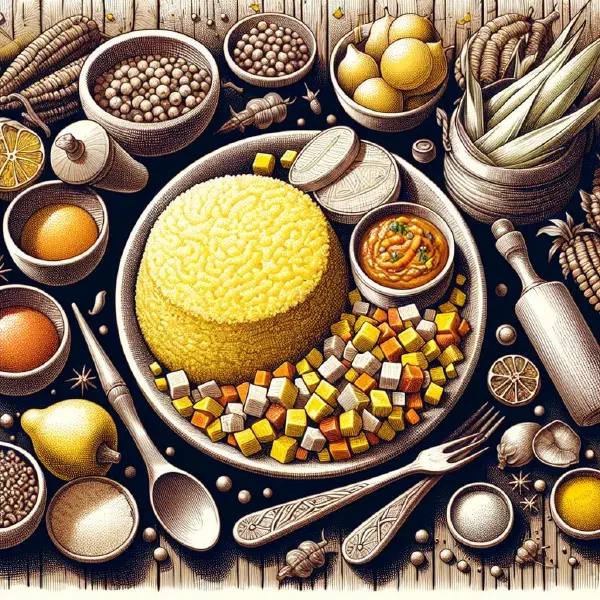
Pap is an essential part of Namibian cooking and has firmly established itself as the country’s national dish. This simple yet deeply filling maize dish is prepared in countless households and most often enjoyed as a side to meat dishes and sauces. In Namibia, pap plays more than a culinary role: it is served in company, at shared tables, and so comes to stand for community and tradition. The method is refreshingly straightforward, which means anyone can cook it and discover the savoury flavours of Africa for themselves.
Ingredients (serves 1–2)
- 200 g maize meal
- 500 ml water
- 1 teaspoon salt
Shopping for the ingredients
To make pap you need only a handful of ingredients, all of which are available in most food shops. Do take care to choose good-quality maize meal, as this has a direct effect on the flavour of the finished dish. African or international grocers often stock specialist brands focused on maize products, which are well worth seeking out. Fresh, clean water matters too, with so few components, each one counts.
Preparing the dish
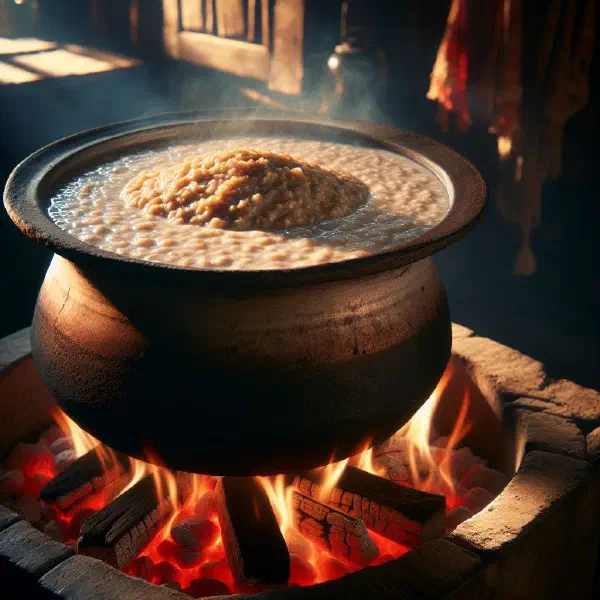
Getting ready to cook pap is quick and uncomplicated. Start by setting out all your ingredients so the cooking runs smoothly from beginning to end. Bring the water to the boil in a suitable pan before you add the maize meal. Add the salt at the same time so the seasoning works its way right through the dish rather than sitting on the surface.
Step-by-step instructions
- Bring the water to the boil in a saucepan.
- Add the salt.
- Add the maize meal slowly, stirring constantly to prevent lumps forming.
- Reduce the heat and keep stirring until the mixture is thick and smooth.
- Let the pap simmer over a low heat for about 10 minutes, stirring occasionally.
Gluten-free / lactose-free version
Another advantage of pap is that it is naturally gluten-free and lactose-free. Anyone with an intolerance or allergy can enjoy it without a second thought. Because it relies on fresh water and unprocessed natural ingredients, pap is a genuinely wholesome option for almost any eating plan. The national dish stays open to everyone at the table. No substitutions required.
Tips for vegans and vegetarians
For vegans and vegetarians, pap is an excellent choice, since the recipe contains no animal products at all. To make it more of a meal in its own right, pair it with vegetables or plant-based sauces. A popular route is a spoonful of sautéed vegetables or a well-seasoned tomato sauce, which adds depth and colour. Play with spices until the flavour matches exactly what you fancy.
More tips and tricks
To improve the texture of pap, try lightly toasting the maize meal before adding it to the water. This coaxes out the nutty character of the maize and adds an extra dimension to an otherwise mild dish. It also pays to experiment with the cooking time until you hit the consistency you prefer. Bear in mind that pap firms up considerably as it cools, so serving it straight away is the way to go.
Adapting the recipe to your taste
The beauty of pap is how easily it bends to different palates. Add extra ingredients such as herbs or spices as the mood takes you. Thyme or basil lend a fresh, green note that lifts the maize, while a handful of grated cheese or a scattering of chilli can change the character of the dish entirely. Much the same freedom applies to a bowl of Mahangu Porridge, its millet-based cousin.
Ingredient substitutions
If you cannot get hold of maize meal, there are workable alternatives. Rice flour or even millet flour can stand in, though the texture will vary somewhat. Cooking times differ between flours, so adjust as you go and judge by consistency rather than the clock. It is worth trying a few different varieties to work out which one you like best, a close relative worth tasting is Mieliepap.
Drink pairing ideas
A traditional dish like pap goes well with a wide range of drinks. A refreshing green tea or a cold ginger beer both complement its mild, earthy flavour nicely. If you prefer something sweeter, a fruity juice or a well-poured lager makes a fine match. Alcohol-free cocktails built around tropical fruit are another lively companion to the meal.
Serving and presentation ideas
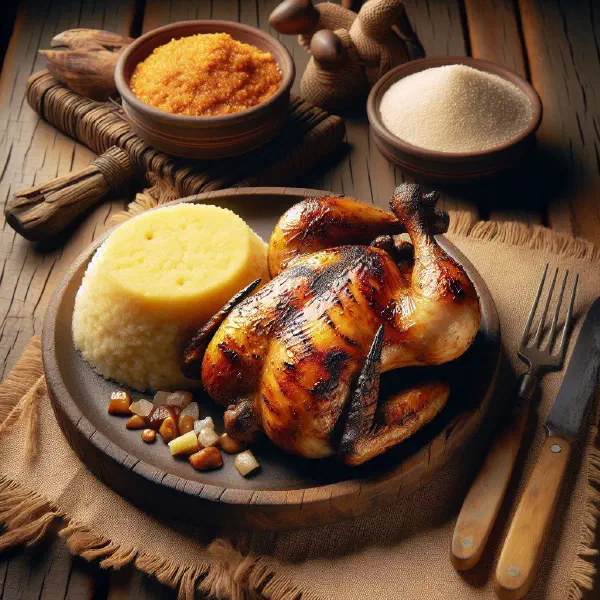
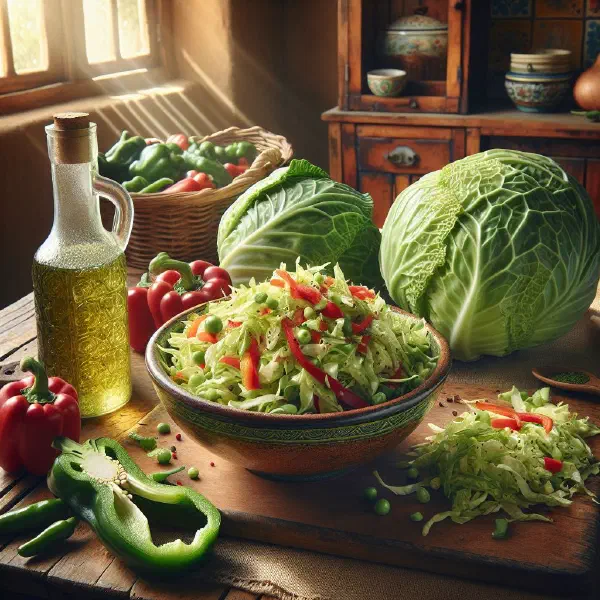
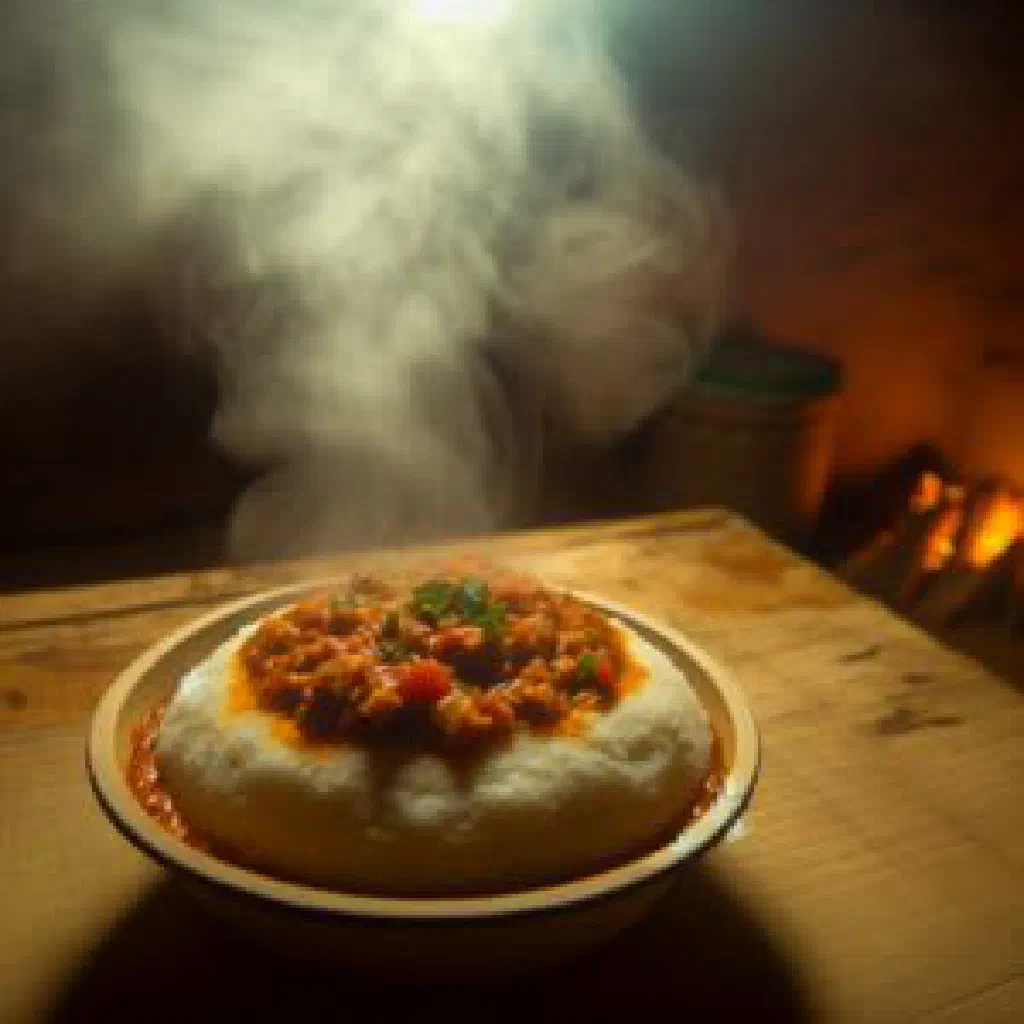
Pap can be presented simply and still look inviting. Serve it in large bowls and arrange sides such as seasonal vegetables or meat dishes around it. A decorative garnish of parsley or coriander gives the plate a fresh appearance, and it pairs particularly well with something crisp like a Namibian Cabbage Salad. Remember to serve the various sauces in small dishes so everyone can help themselves.
A bit of history
Pap has a long tradition in Namibian culture, reaching back to the country’s earliest inhabitants. The dish is bound up with the history of maize cultivation in Africa and is a symbol of resilience and community. Eating pap is frequently tied to important cultural rituals and celebrations, which gives it a significance well beyond the plate. The recipe has been handed down from generation to generation, and that continuity is precisely what makes it such a cornerstone of Namibian cuisine.
More recipe ideas
Summary: Pap
In short, pap is far more than a simple dish. It is a symbol of community, tradition and cultural identity in Namibia. Thanks to its easy preparation and its openness to adaptation, it allows anyone to enjoy the hearty flavours of Africa. Pap will always be a pleasure at the table.