National Dish Namibia: Samosas (Recipe)
In this article
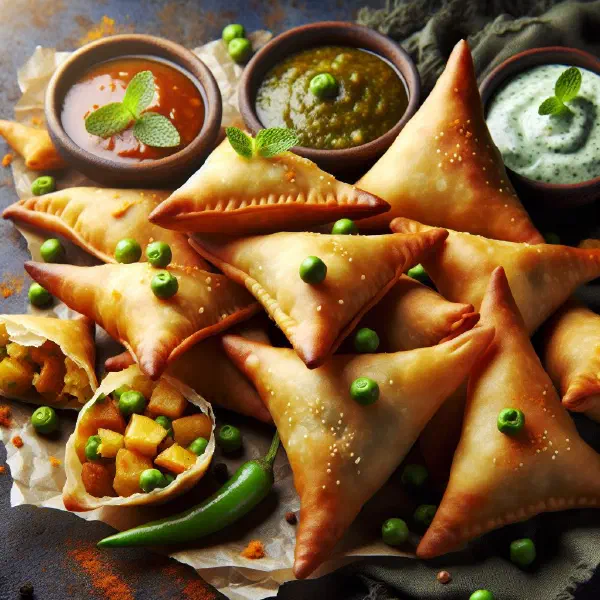
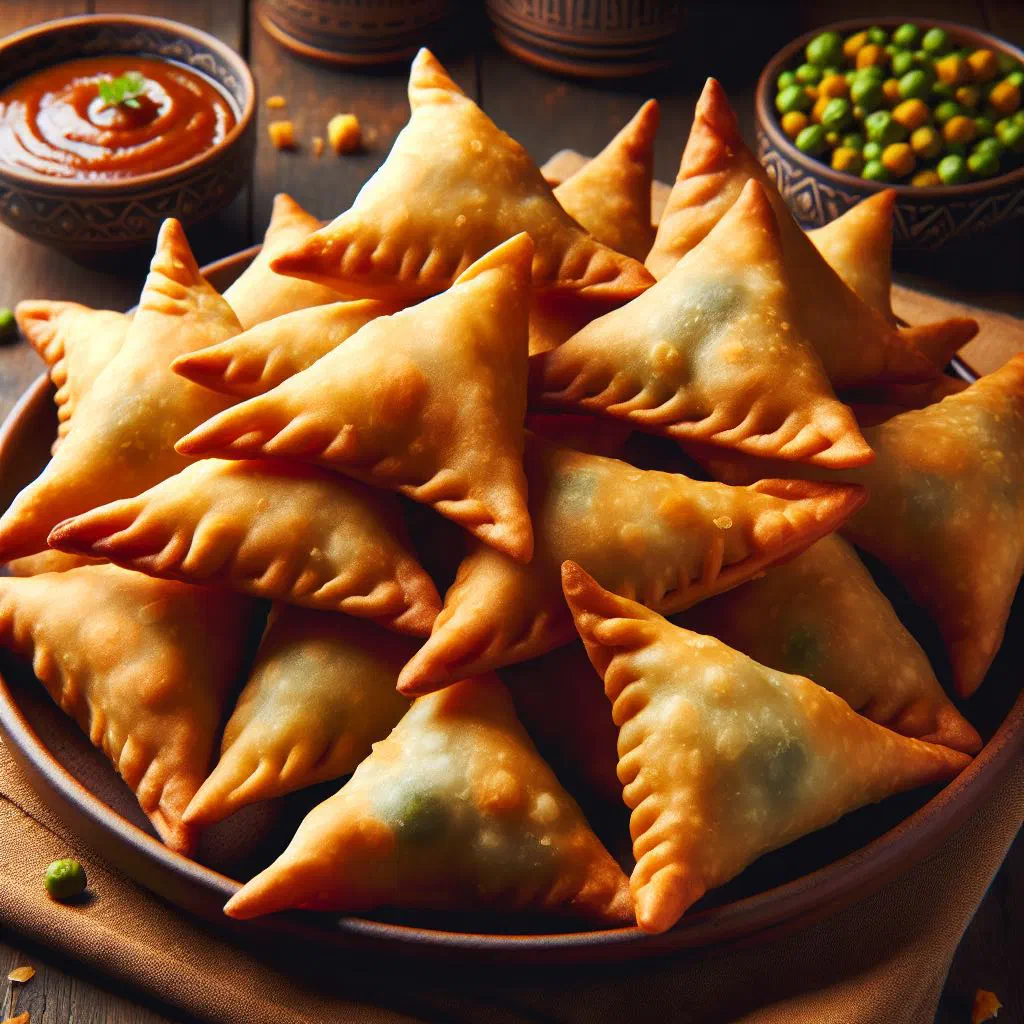
Discover Samosas, one of Namibia’s most popular street-food snacks. These crisp little pastry parcels hide a warmly spiced filling of vegetables, lamb or chicken, and they turn up everywhere from roadside stalls to family celebrations. The contrast between the shatteringly crisp shell and the fragrant filling makes them impossible to eat just one of. Bring a taste of Namibia’s lively snack culture into your own kitchen.
About Samosas
Samosas are a traditional dish across many African countries, Namibia among them. These delicious pastry parcels are usually filled with a variety of savoury mixtures such as vegetables, lamb or chicken. They are a favourite snack between meals and a fixture at countless festive occasions.
Ingredients (serves 1–2)
- 200 g plain flour
- 1 teaspoon salt
- 3 tablespoons oil
- 100 ml water
- 200 g mixed vegetables (e.g. peas, carrots, potatoes)
- 1 onion, diced
- 1 teaspoon garam masala
- Oil for deep-frying
Shopping for the ingredients
Vegetables such as carrots and potatoes should be firm and free of dark patches. It is also worth using good-quality flour so the pastry comes out just right. Many supermarkets stock ready-made spice blends such as garam masala, which give the filling its authentic aroma.
Preparing the dish
Before you start making the samosas, it pays to get all the ingredients properly prepared. Peel and cut the vegetables and the onion into small pieces. You can then adjust the filling with spices to reach the flavour you want. Laying out all the kitchen equipment you need in advance also helps the process run smoothly.
Step-by-step instructions
- Combine the flour with the salt and oil in a bowl.
- Slowly add water until you have a smooth dough.
- Wrap the dough in a cloth and let it rest for 30 minutes.
- Fry the vegetables and onion in a pan and season with garam masala.
- Roll the dough out thinly and cut it into rounds.
- Place a portion of filling on each round and seal the edges firmly.
- Deep-fry in hot oil until golden brown, then drain on kitchen paper.
Gluten-free / lactose-free version
For a gluten-free version of the samosas you can use gluten-free flour, widely available in health-food shops. Take care to choose lactose-free products, especially for the fillings. There are plenty of plant-based alternatives that work beautifully here. Simply try out different combinations until you find the flavour you like best.
Tips for vegans and vegetarians
Vegan samosas are easy to make: build the filling from vegetables and pulses alone. That makes them nourishing and full of flavour. Popular choices include lentils, spinach or chickpeas, all of which take well to a range of spices, much like the beans in a hearty Stewed Beans. This way you can be sure everyone in the family gets to enjoy these delicious snacks.
More tips and tricks
To make the samosas especially crisp, make sure the oil is hot enough before you add the parcels. Another useful trick is to brush the edges of the pastry with water so they seal tightly. Leave enough room in the pan so the samosas fry evenly. You can also bake them in the oven if you prefer a lighter version.
Adapting the recipe to your taste
The samosa recipe adapts easily to personal preference. You can add different spices or vary the filling depending on what you have to hand or what you love. Experiment with ingredients such as cheese or nuts for an extra layer of flavour. The size can be adjusted too, from generous portions down to small, bite-sized morsels perfect for a party spread.
Ingredient substitutions
If you do not have every ingredient in the cupboard, there are good alternatives. Rice flour in place of wheat flour, for example, gives the parcels a slightly lighter texture. Vegetarian mince makes an interesting alternative filling, while a peanut-based mixture echoes the flavours of a Peanut Butter Chicken. The frying oil can vary to taste as well, rapeseed oil or groundnut oil both work well.
Drink pairing ideas
Plenty of drinks go well with samosas. A refreshing mint tea is the traditional choice and harmonises beautifully with the spiced filling. Fruity lemonades or a homemade ginger beer also make excellent company. For an alcohol-free option a fruit spritzer is refreshing, while a light lager suits the adults at the table.
Serving and presentation ideas
The way you present samosas can genuinely impress your guests. Serve them on a large platter garnished with fresh coriander or mint. A few chillies or a small bowl of chutney beside the parcels add a splash of red and invite everyone to dig straight in. Arranging them in individual portions also creates an appealing look, much as you would with a Namibian Meat Platter.
A bit of history
Samosas have their roots in the Indian subcontinent and have spread through many different cultures over the centuries. In Namibia in particular they are firmly established in street-food culture and are often given Asian-inspired fillings. Over time, regional variations have developed that underline just how versatile this snack is. The crisp pastry is delicious and a clever way to use up leftovers, a thrifty streak that runs through much of Namibian cuisine.
More recipe ideas
Summary: Samosas
In short, samosas are a versatile and delicious addition to any kitchen. A starter or part of a festive buffet, they offer a harmony of aromas and textures that is simply very good. With straightforward techniques you can easily tailor them to your own taste. Let Namibian cuisine inspire you and enjoy this wonderful dish.