National Dish Namibia: Spinach and Groundnut Stew (Recipe)
In this article
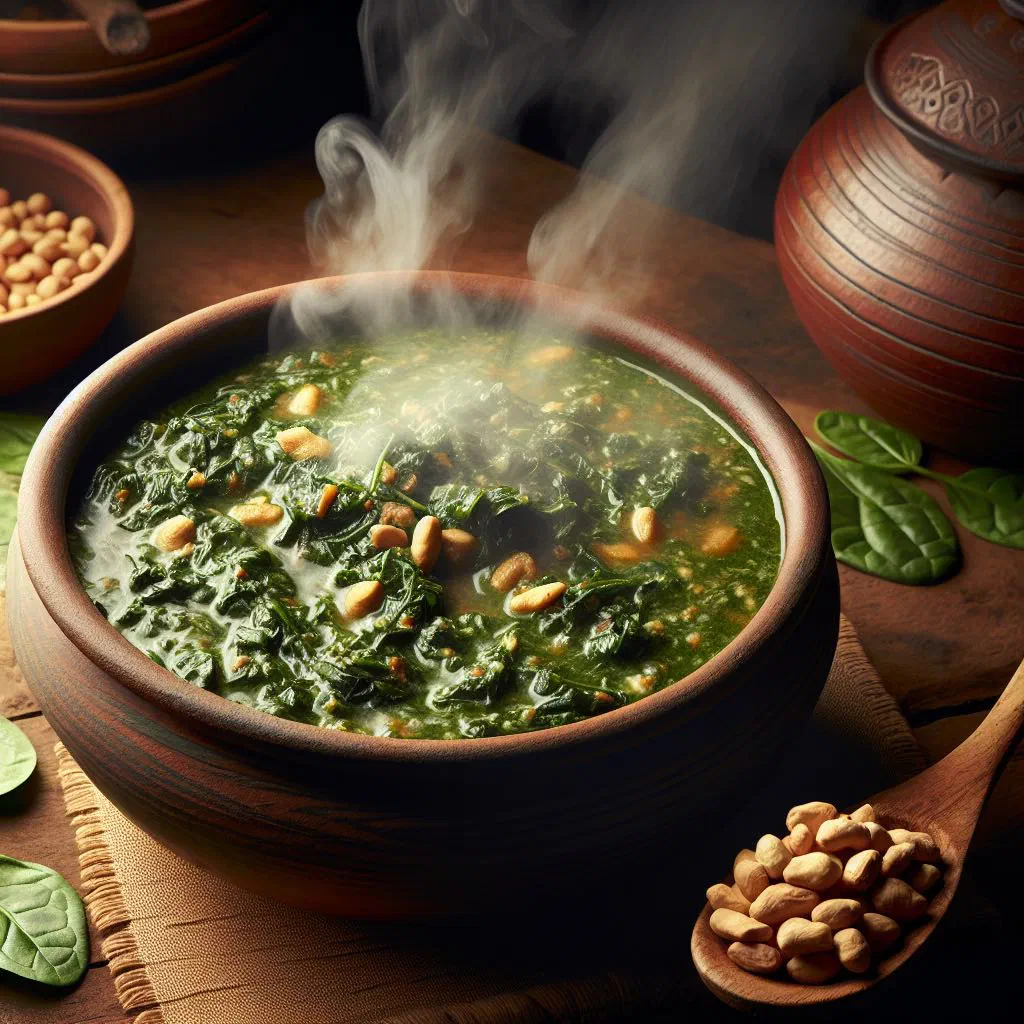
Discover Spinach and Groundnut Stew, a warming Namibian classic that turns a handful of everyday ingredients into something genuinely memorable. Tender greens melt into a velvety peanut sauce, gently lifted by onion, garlic and a whisper of curry. It is nourishing, budget-friendly and ready in well under half an hour, the kind of pot that quietly disappears before anyone thinks to ask for seconds.
About Spinach and Groundnut Stew
Spinach and Groundnut Stew is a traditional dish from Namibia, admired for its rich texture and its unmistakable flavour. The combination of fresh spinach, creamy peanuts and a handful of aromatic spices makes this stew a real pleasure to eat. It has proved itself over generations and remains a fixture of Namibian home cooking. Above all, it shows how simple ingredients can be transformed into a nourishing, flavourful meal that suits the whole family.
Ingredients (serves 1–2)
- 200g fresh spinach
- 100g peanut butter or ground peanuts
- 1 onion, diced
- 2 cloves of garlic, crushed
- 1 teaspoon curry powder
- 500ml vegetable stock
- 2 tablespoons vegetable oil
- Salt and pepper, to taste
- Optional: chilli, for heat
Shopping for the ingredients
Everything you need for this stew is available in most supermarkets. Look for fresh spinach, as it offers both the best flavour and the best nutritional value. Peanut butter or ground peanuts are equally easy to find and are best chosen without added sugar, which keeps the savoury depth of the dish intact. Fresh vegetables such as onions and garlic round the whole thing out and are very often the heart of the preparation, much as they are in a hearty pot of Stewed Beans.
Preparing the dish
Before you start cooking, get all your ingredients ready. That means washing and chopping the spinach, dicing the onion and crushing the garlic. Having everything laid out in advance makes for a smooth, unhurried cooking process. Preparing carefully also lets the aromas develop properly and keeps the whole thing efficient from start to finish.
Step-by-step instructions
- Heat the vegetable oil in a large pot and sweat the diced onion until translucent.
- Add the crushed garlic and the curry powder and fry briefly until fragrant.
- Tip in the fresh spinach and let it wilt down.
- Stir in the peanut butter and the vegetable stock and mix thoroughly.
- Bring the stew to the boil, then reduce the heat and simmer for 10–15 minutes.
- Season with salt, pepper and chilli if using, then serve and enjoy.
Gluten-free / lactose-free version
Spinach and groundnut stew is naturally gluten-free, as no gluten-containing ingredients are involved. To make sure it also suits anyone with a lactose intolerance, choose a peanut butter with no milk solids. Check, too, that the stock you use is free from lactose.
Tips for vegans and vegetarians
This stew is a superb option for vegans and vegetarians alike. Every ingredient is plant-based and together they provide a generous source of protein and nutrients. For extra goodness you could add other vegetables such as carrots or courgettes. These variations not only make the dish more colourful, they deepen the flavour while broadening its nutritional range.
More tips and tricks
To make the stew especially tasty, garnish it with fresh herbs such as coriander or parsley. A squeeze of fresh lemon or lime adds a refreshing note that cuts through the richness beautifully. Experiment with the spices to put your own twist on the traditional recipe. Remember that the right balance of aromas is what turns this pot into the highlight of the meal.
Adapting the recipe to your taste
One of the best qualities of this stew is its versatility. You can dial the heat up or down with more or less chilli, or reach for smoked paprika instead. For extra crunch, scatter over some roasted peanuts as a topping. Adding chickpeas or other pulses raises the protein content and makes the dish even more filling, a trick that works just as well in a Pumpkin and Peanut Stew.
Ingredient substitutions
If you dislike peanuts or have an allergy, almond butter or sunflower seeds make good stand-ins. The stew can also be made with other leafy greens such as chard or kale, both of which suit it well. For a creamier texture, stir in a splash of coconut milk, which improves not only the flavour but the consistency too. There is always room to vary the recipe to your own liking.
Drink pairing ideas
Several drinks work nicely alongside this stew. A fresh non-alcoholic cocktail with citrus and mint makes a refreshing accompaniment. If you prefer wine, a light white such as Sauvignon Blanc sits well with the flavours of the pot. For another alcohol-free option, a chilled iced tea is an excellent choice that complements the spices in the dish.
Serving and presentation ideas
Presentation matters if you want this stew to look as good as it tastes. Use an attractive bowl and garnish with fresh herbs or roasted peanuts. A side of crusty bread or a crisp salad rounds off the experience, though a soft mound of Mahangu Porridge is the more traditional partner. Consider serving it with colourful vegetables to make the plate even more inviting.
A bit of history
The roots of this stew lie in the Namibian kitchen, where simple, nourishing food is part of everyday life. Dishes like this reflect the culture and way of life of local communities, who value natural ingredients and turn them into flavourful meals. Historically, African societies have long woven ground crops and leafy greens into their diets, and this hearty pot is a clear expression of that, a fine example of Namibian cuisine and of how traditions and ingredients pass from one generation to the next.
More recipe ideas
- Sweet Potato and Peanut Stew
- Okra and Tomato Stew
- Peanut Butter Chicken
- Samp and Beans
- Mashed Pumpkin with Spices
Summary: Spinach and Groundnut Stew
Spinach and groundnut stew is a straightforward dish that manages to be both nourishing and genuinely delicious. With its many possible variations and adjustments, it is easily tailored to personal taste. More than that, it brings the flavour of Namibia to the table and creates a lovely excuse to cook and eat together. Give it a try and let the aromas of Africa do the rest.