National Dish Namibia: Traditional Namibian Fish (Recipe)
In this article
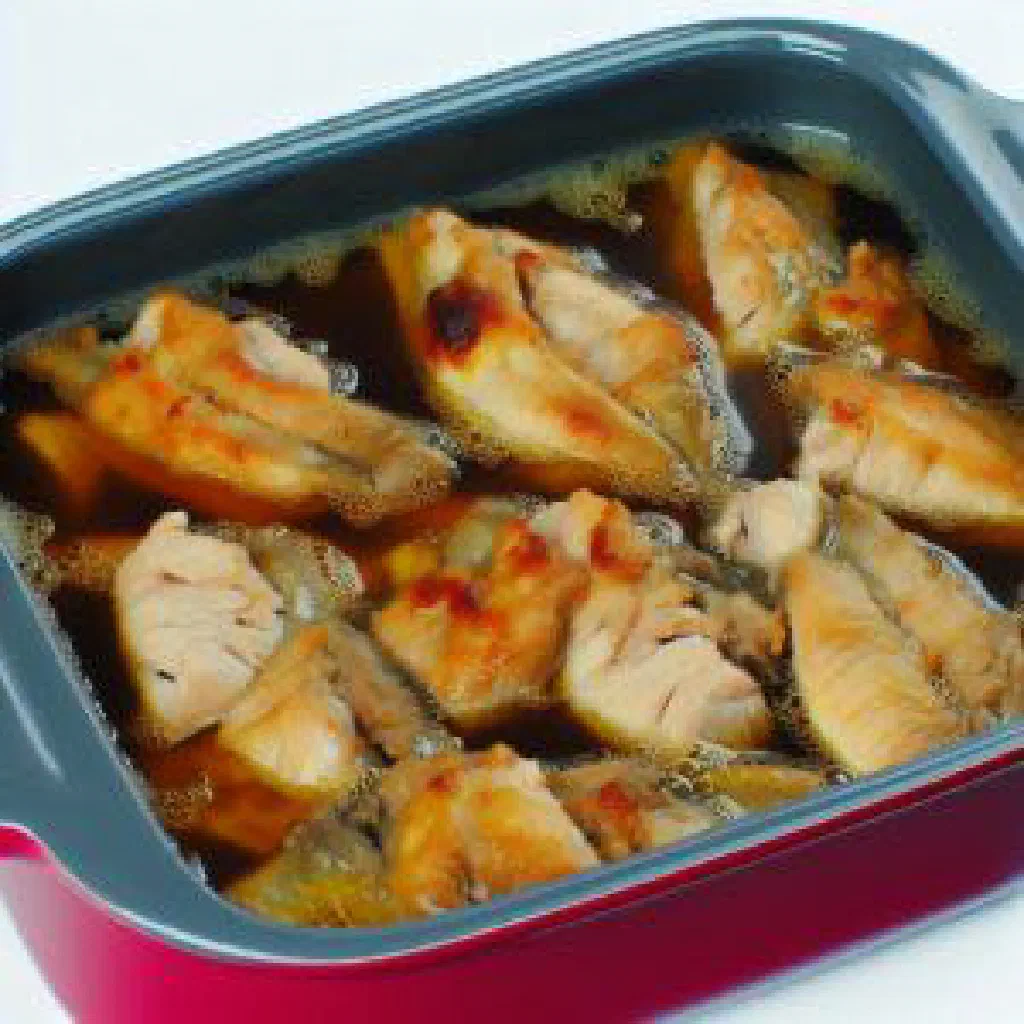
Discover Traditional Namibian Fish, a dish that brings the cold, teeming waters of the Atlantic straight to your table. Firm fillets are bathed in a bright marinade of lemon, garlic and paprika, then baked until they flake at the touch of a fork. It is a wonderfully simple recipe that lets the freshness of the sea do the talking, and it captures the unfussy, generous spirit of Namibia’s coastal kitchens.
About Traditional Namibian Fish
Traditional Namibian Fish is a delicious dish inspired by the abundant seafood of the Namibian coastline. The combination of tender fish, aromatic spices and a wonderfully straightforward method makes this recipe a highlight in any kitchen. You can use whichever varieties are landed locally, which keeps the dish both tasty and endlessly varied. In the sections below we set out the traditional recipe and share plenty of useful advice for getting it right.
Ingredients (serves 1–2)
- 300 g fresh fish (cod or sea bream, for example)
- 2 tablespoons olive oil
- 1 lemon (juice and zest)
- 1 teaspoon paprika
- 1 onion, finely chopped
- 2 garlic cloves, crushed
- Fresh herbs (coriander or parsley, for example)
- Salt and pepper to taste
Shopping for the ingredients
When shopping for Traditional Namibian Fish, look for fresh, good-quality produce. Visit a local fishmonger or a supermarket with a well-stocked fish counter. Check that the fish looks fresh, with clear eyes and a pleasantly clean sea smell. It is also worth choosing organic, freshly cut herbs so that the flavours of the dish come through at their best.
Preparing the dish
Before you start cooking, prepare all the ingredients properly. Cut the fish into evenly sized pieces so that everything cooks through at the same rate. The onion and garlic should be finely chopped too, which releases their aroma most effectively. It also pays to squeeze the lemon and grate the zest in advance, as the citrus notes give the dish its refreshing lift.
Step-by-step instructions
- Preheat the oven to 180°C.
- In a bowl, combine the olive oil, lemon juice, paprika, onion, garlic, salt and pepper.
- Add the pieces of fish to the marinade and turn them well so they are evenly coated.
- Lay the marinated fish in an ovenproof dish and scatter over the lemon zest and fresh herbs.
- Bake for around 20–25 minutes, until the fish is tender and cooked through.
Gluten-free / lactose-free version
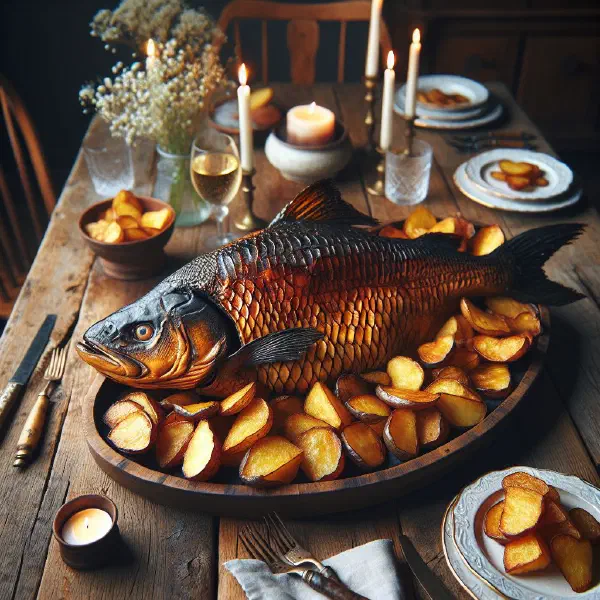
This dish is naturally gluten-free and lactose-free, since it uses nothing but fresh fish and vegetables. Just take care that no hidden sources of gluten have crept into your spices or other store-bought ingredients. A quick check of the labels is enough to make sure everything is suitable for anyone with a gluten intolerance. Enjoy this fish supper with complete peace of mind, much like a plate of Smoked Fish With Potatoes.
Tips for vegans and vegetarians
There is a way to adapt Traditional Namibian Fish for vegans and vegetarians as well. Instead of fish you might use tofu or seitan, both of which give a comparable texture. Marinate the plant-based protein exactly as you would the fish so the flavours soak right in. That way even those who avoid seafood can enjoy the wonderful spices and aromas of the dish.
More tips and tricks
To sharpen the flavour further, add a little chilli if you like some heat. Experiment with different herbs and spices to tune the taste to your own preference. It is also worth preparing a good side dish, such as a salad or some steamed vegetables, to round the meal out. Remember that fresh ingredients make all the difference to the quality of the finished plate.
Adapting the recipe to your taste
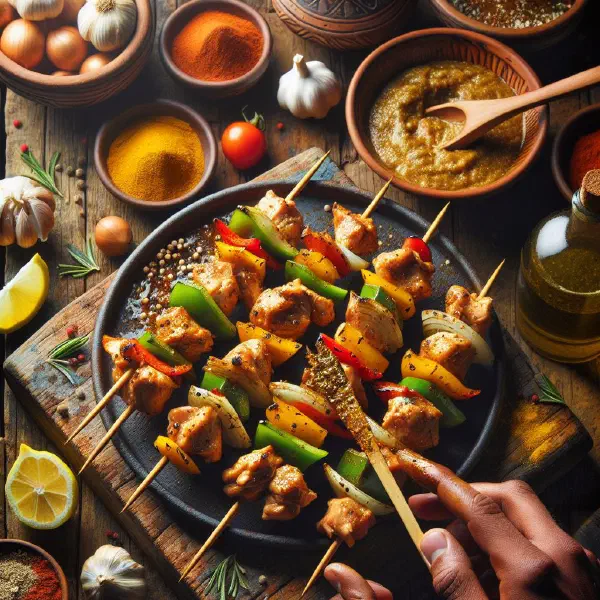
Traditional Namibian Fish is remarkably easy to adjust to your own liking. Try other kinds of fish or shellfish, for instance prawns or mussels, as you would in a Namibian Seafood Platter. The seasoning can vary too: a few drops of sriracha give it an Asian twist, while Italian herbs take it in a Mediterranean direction. With a little creativity you can create any number of versions that suit your personal taste.
Ingredient substitutions
If you have no fresh herbs to hand, dried ones will do, though the flavour will be a little different. Lime can stand in for lemon and lends the dish a new kind of freshness. It is also worth trying different oils, such as coconut oil for a tropical note. Swapping ingredients not only makes cooking more interesting, it opens up new flavour experiences too.
Drink pairing ideas
To complete the experience, choose a drink that flatters the fish. A chilled white wine goes beautifully with seafood, as it underlines rather than masks the flavours on the plate. A fruity cocktail such as a mojito or piña colada can also make a lovely addition to the menu. Water with lemon or mint is equally refreshing and healthy, and rounds the meal off perfectly.
Serving and presentation ideas
Presentation plays an important part in making food look all the more appetising. Serve Traditional Namibian Fish on a large white plate so that the colours of the dish really shine. Garnish the fish with fresh herbs and lemon slices for an attractive contrast. Decorative wooden or melamine bowls for the sides, rice, salad or a helping of Mieliepap, help tie the whole picture together.
A bit of history
Traditional Namibian Fish is part of the country’s culinary heritage, in which fresh fish from the cold waters of the Atlantic has always played an important role. Local cooks favour simple but flavourful methods that emphasise the freshness and character of the catch. Dishes like this reflect the culture of the country and celebrate the close bond between its people and the natural world. It is a wonderful way to experience Namibian hospitality and the wider traditions of Namibian cuisine.
More recipe ideas
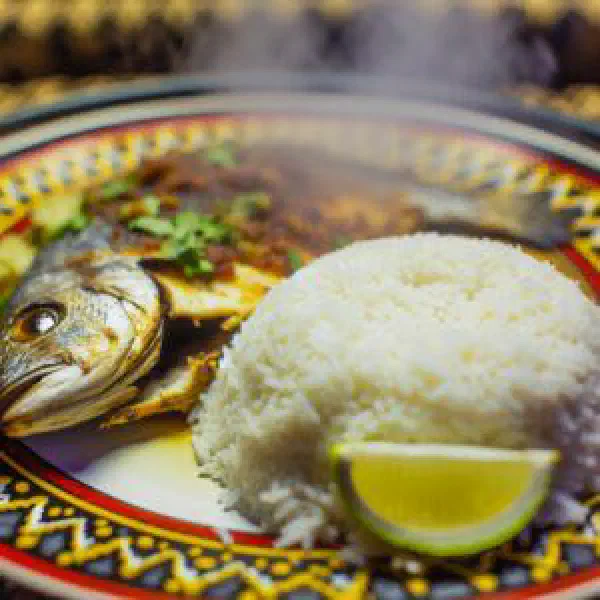
- Namibischer Fisch Mit Reis
- Namibischer Trockenfisch
- Zambezi Brassen In Folie
- Namibian Cabbage Salad
- Potjiekos
Summary: Traditional Namibian Fish
Traditional Namibian Fish is a tasty, easily prepared dish that embodies the flavours and traditions of Namibia. The use of fresh ingredients and aromatic spices creates a distinctive eating experience every time. The recipe is simple to adapt to accommodate all sorts of preferences.