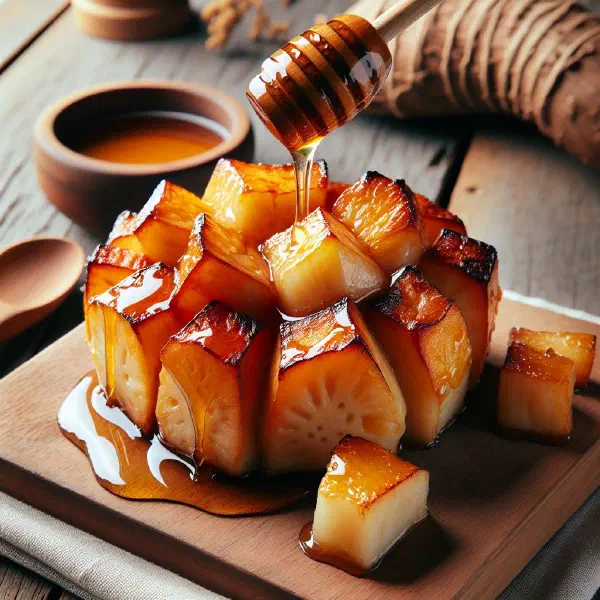
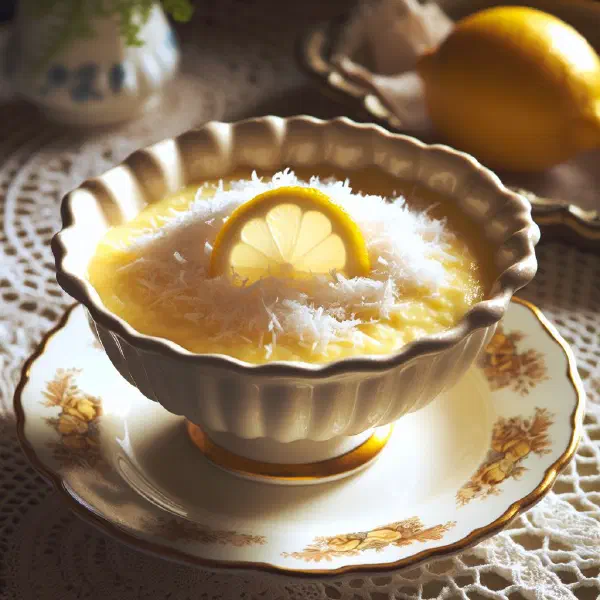
National Dish Nauru: Taro and Coconut Bake (Recipe)
In this article
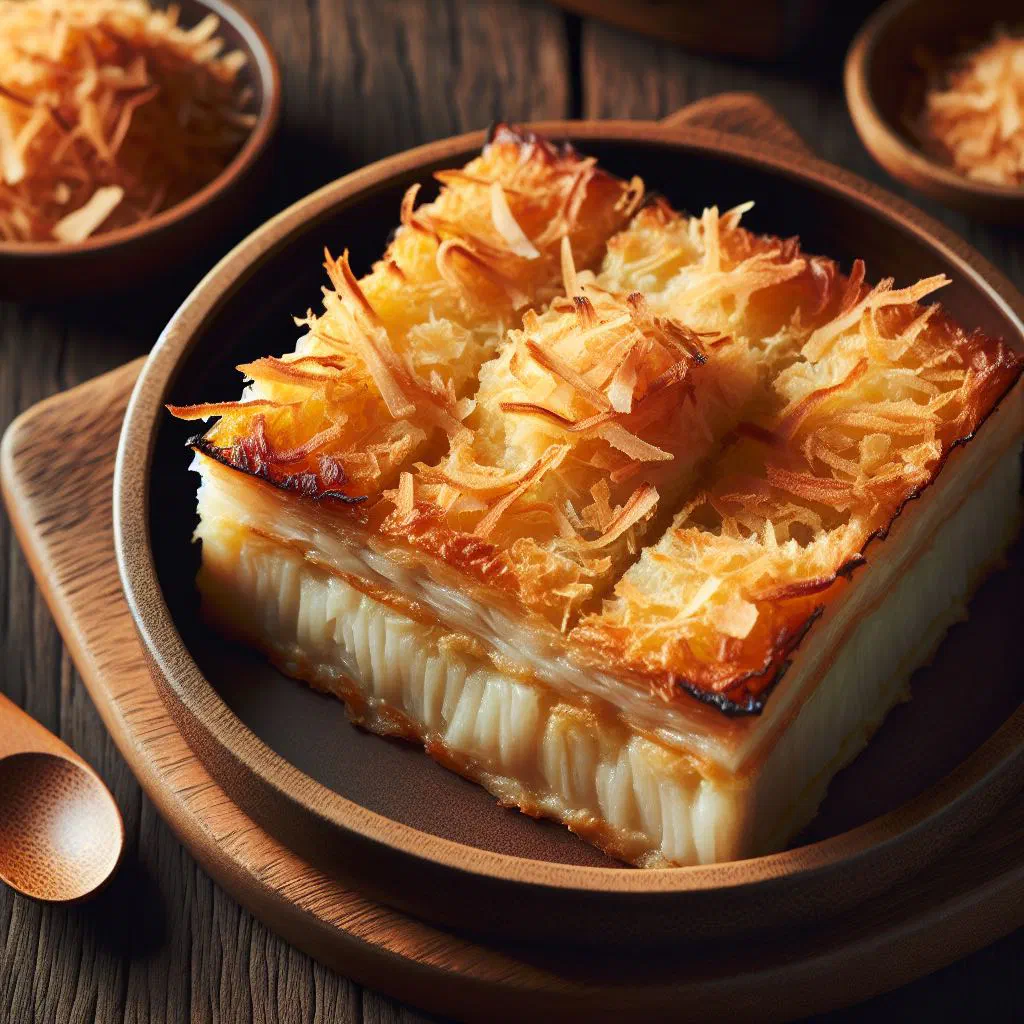
Say hello to the Taro and Coconut Bake, a dish that carries the whole spirit of the South Pacific in a single spoonful. Creamy taro meets rich coconut milk in a bake that sits somewhere between comforting pudding and celebratory sweet. Warmed with a touch of vanilla and finished with toasted coconut, it strikes a lovely balance between mellow sweetness and gentle savour. Best of all, it comes together with just a handful of ingredients, bringing a taste of island life straight to your kitchen.
About Taro and Coconut Bake
The Taro and Coconut Bake is a truly distinctive dish that embodies the traditional cooking of Nauru. Taro, a starchy root vegetable, has a wonderfully creamy texture and is packed with nutrients, while the coconut lends the dish its unmistakable island character. Together these ingredients offer a remarkable depth of flavour and a harmonious balance between sweet and savoury notes. This recipe is not only easy to prepare, it also brings the flavour of a Pacific island paradise directly to your table.
Ingredients (serves 1–2)
- 250 g taro
- 200 ml coconut milk
- 50 g sugar (to taste)
- 1 pinch of salt
- 1 tsp vanilla extract
- 1 tbsp butter (or a vegan alternative)
- Optional: desiccated coconut, to decorate
Shopping for the ingredients
When shopping for the Taro and Coconut Bake, it is worth paying attention to the quality of your produce. Fresh taro can be found in Asian grocery shops or at local markets, while coconut milk is widely available in most supermarkets. Try to choose a coconut milk without added preservatives or sugar, so the authentic flavour shines through. The sugar can also be adjusted to your own taste or swapped for a natural sweetener.
Preparing the dish
Before you begin cooking the Taro and Coconut Bake, gather all your ingredients together. Peel the taro and cut it into small pieces so it cooks through evenly. It also helps to have a suitable baking dish ready, one that comfortably fits the volume of the dish. A little groundwork like this not only makes the cooking easier, it also sets you up for an attractive presentation at the table.
Step-by-step instructions
- Peel the taro and cut it into small pieces.
- Warm the coconut milk in a pan and add the sugar along with the salt.
- Add the taro pieces to the coconut milk and simmer over medium heat for around 10–15 minutes, until soft.
- Stir in the vanilla extract and mix everything well.
- Transfer the mixture to a greased baking dish and bake in a preheated oven at 180°C for about 25–30 minutes.
- Scatter over desiccated coconut if you like, and serve warm.
Gluten-free / lactose-free version
The Taro and Coconut Bake is naturally gluten-free and can easily be made lactose-free by replacing the butter with a plant-based fat. The coconut milk keeps the dish beautifully creamy without needing any dairy at all. These simple adjustments make the bake ideal for anyone with food intolerances, so plenty of people can enjoy its delicious flavours without a second thought.
Tips for vegans and vegetarians
Vegans can adapt this recipe with ease, simply by swapping the butter for a plant-based alternative. The dish needs no animal products whatsoever, which makes the Taro and Coconut Bake a wonderful fit for a vegan diet. To add an extra layer of flavour, garnish the bake with fresh fruit or nuts. This rounds out the taste and brings an added source of nutrients to the plate.
More tips and tricks
To deepen the flavour of the Taro and Coconut Bake, try adding warming spices such as cinnamon or nutmeg. These lend the dish a lovely aromatic note. It also pays to check the consistency of the coconut milk as you go; you can adjust the mixture to reach your preferred creaminess. Above all, stir the mixture regularly while it cooks to stop it catching and burning on the base.
Adapting the recipe to your taste
The Taro and Coconut Bake is remarkably versatile and easy to tailor to your personal preferences. You might use different sweeteners, for example, to sweeten the bake exactly to your liking. You could also fold in other fruits or nuts during cooking to create fresh textures and new flavour nuances. Experiment with your favourite ingredients to create your perfect Taro and Coconut Bake.
Ingredient substitutions
If taro is not available, you can turn to other starchy roots such as yam or potato. These alternatives offer a similar texture and slot easily into the recipe, much like the base of a hearty Taro Vegetable Stir-Fry. With the coconut milk, you might reach for a good-quality plant-based cream depending on what is on hand. That flexibility lets you vary the recipe to suit whatever is available in your region.
Drink pairing ideas
Refreshing drinks pair beautifully with a warm Taro and Coconut Bake. Coconut water or a fruity mocktail made with pineapple and lime juice make perfect companions. If you prefer something warm, try a herbal tea with ginger and lemon.
Serving and presentation ideas
Presentation plays a key role in the enjoyment of any meal. Serve the Taro and Coconut Bake in an attractive dish, or spoon it into individual portion bowls. A scattering of toasted coconut flakes or freshly chopped herbs gives it an appealing finish. Take a moment to arrange everything neatly, lifting the overall look and making the table feel that bit more inviting.
A bit of history
The Taro and Coconut Bake has its roots in the traditional cooking of the Pacific islands and reflects the culinary heritage of the region. Taro has been cultivated across the tropics for centuries and remains a staple food for many cultures. The pairing of taro with coconut is not only a classic in Nauru but is found throughout much of Nauruan cuisine and the wider South Pacific. This culinary tradition has evolved over generations and today enjoys a proud place on tables around the world.
More recipe ideas
Summary: Taro and Coconut Bake
The Taro and Coconut Bake is not only a delicious and easy-to-make dish, it is also a piece of Nauruan culture brought to life on your plate. The combination of taro and coconut makes it a special highlight for any meal. It is a welcome addition to any kitchen. Let its flavours enchant you and enjoy a tour into the South Pacific.