National Dish Nepal: Aloo Ko Bhaji (Recipe)
In this article
Meet Aloo Ko Bhaji, a humble yet deeply flavourful potato side dish that turns up on tables across Nepal. Built from little more than potatoes, mustard seeds and a handful of warming spices, it captures the honest, home-cooked character of the Himalayan kitchen. Quick to make and endlessly comforting, it sits happily alongside a plate of rice or lentils and brings a genuine taste of Nepal to your own kitchen.
About Aloo Ko Bhaji
Aloo Ko Bhaji is a popular Nepalese side dish prized for its simplicity and its lively range of flavours. The dish is built mainly around potatoes and a mix of spices that lend it that unmistakable Nepalese character. It is most often served as an accompaniment to other Nepalese main courses and is a familiar part of everyday cooking. Aloo Ko Bhaji is not only tasty but wholesome too, since its ingredients bring fresh, natural aromas to the plate.
Ingredients (serves 1–2)
- 2 medium potatoes
- 1 onion
- 1 teaspoon turmeric
- 1 teaspoon cumin
- 1 teaspoon mustard seeds
- 2–3 green chillies (to taste)
- 1–2 tablespoons vegetable oil
- Salt to taste
- Fresh coriander, to garnish
Shopping for the ingredients
To make Aloo Ko Bhaji, most of the ingredients are easy to find in your local supermarket or at an Asian grocery. Choose fresh potatoes and good-quality spices to get the very best flavour. The green chillies are optional, but they do add a welcome kick of heat. If you live in an area where Nepalese or Indian ingredients are sold regularly, you will often find mustard seeds and cumin available in several different varieties.
Preparing the dish
Preparing Aloo Ko Bhaji takes only a few simple steps, though each one matters if you want the flavours to shine. Begin by peeling the potatoes and cutting them into small cubes. The onion should be finely chopped so the flavour spreads evenly through the dish. Chop the green chillies to taste, as they lend the dish its warmth. Have all your spices measured out too, so you can add them quickly once the cooking starts.
Step-by-step instructions
- Heat the vegetable oil in a frying pan over medium heat.
- Add the mustard seeds and let them sizzle until they begin to pop.
- Stir in the chopped onion and chillies and fry until the onions turn translucent.
- Add the diced potatoes and the remaining spices, then stir well to coat.
- Cover the pan and let the potatoes cook for around 15–20 minutes, until tender.
- Garnish with fresh coriander and serve warm.
Gluten-free / lactose-free version
Aloo Ko Bhaji is naturally gluten-free and lactose-free, which makes it a great choice for anyone with food intolerances. The ingredients are entirely plant-based, giving you a wholesome dish that fits neatly into many different diets. Even so, do check the label on your oil to rule out any unwanted additives. That way you can enjoy a pure, unadulterated taste experience every time.
Tips for vegans and vegetarians
Aloo Ko Bhaji is ideal for vegans and vegetarians, since every ingredient used is plant-based. To make the dish even more varied, you can add extra vegetables such as carrots or peas. This boosts the nutritional value and introduces new textures. Just make sure any spice blends you use are vegan too, so the dish stays completely plant-based.
More tips and tricks
An important tip when making Aloo Ko Bhaji is to cut the potatoes into even pieces so they cook uniformly. A combination of fresh and dried spices can intensify the aromas considerably. The final five minutes of cooking are also a great moment to play with the seasoning and adjust the dish to your taste.
Adapting the recipe to your taste
The recipe for Aloo Ko Bhaji offers plenty of scope to build in your own likes and preferences. You can dial the heat up or down with the number of chillies, or add new spices such as garam masala for a different flavour profile. The type of potato can vary too, giving you different textures to play with. Let your creativity run free and shape the recipe to your own cooking style, much as you might with a hearty Aloo Jhol.
Ingredient substitutions
If some ingredients are hard to track down, there are easy alternatives. Instead of potatoes, for example, you could use sweet potatoes for a different flavour. Cumin can be swapped for coriander seeds, though the aromas will shift a little as a result. Experiment with the ingredients to discover the perfect flavour combinations and make the recipe truly your own, just as the cook might tweak an Aloo Ko Achar.
Drink pairing ideas
Aloo Ko Bhaji goes beautifully with local drinks such as chai or traditional Nepalese raksi, a rice wine. These pair perfectly with the flavours of the dish and offer an authentic taste of Nepal. A light Indian beer is another good match, rounding off the dish’s spicy notes. If you prefer something alcohol-free, mint or lemonade-based drinks make a refreshing choice.
Serving and presentation ideas
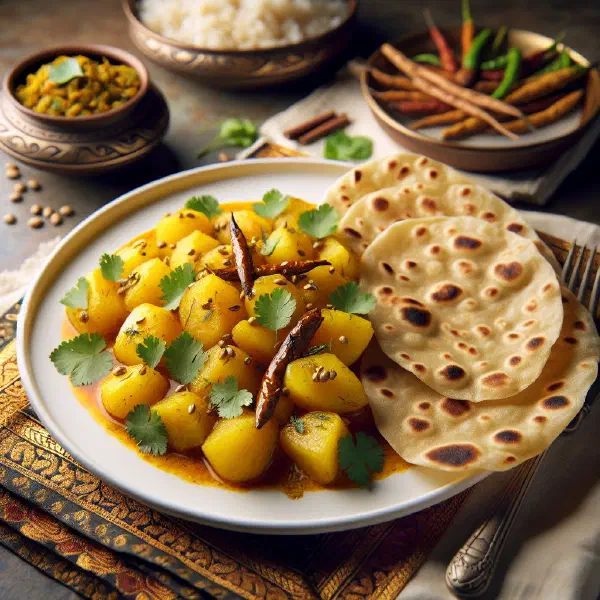
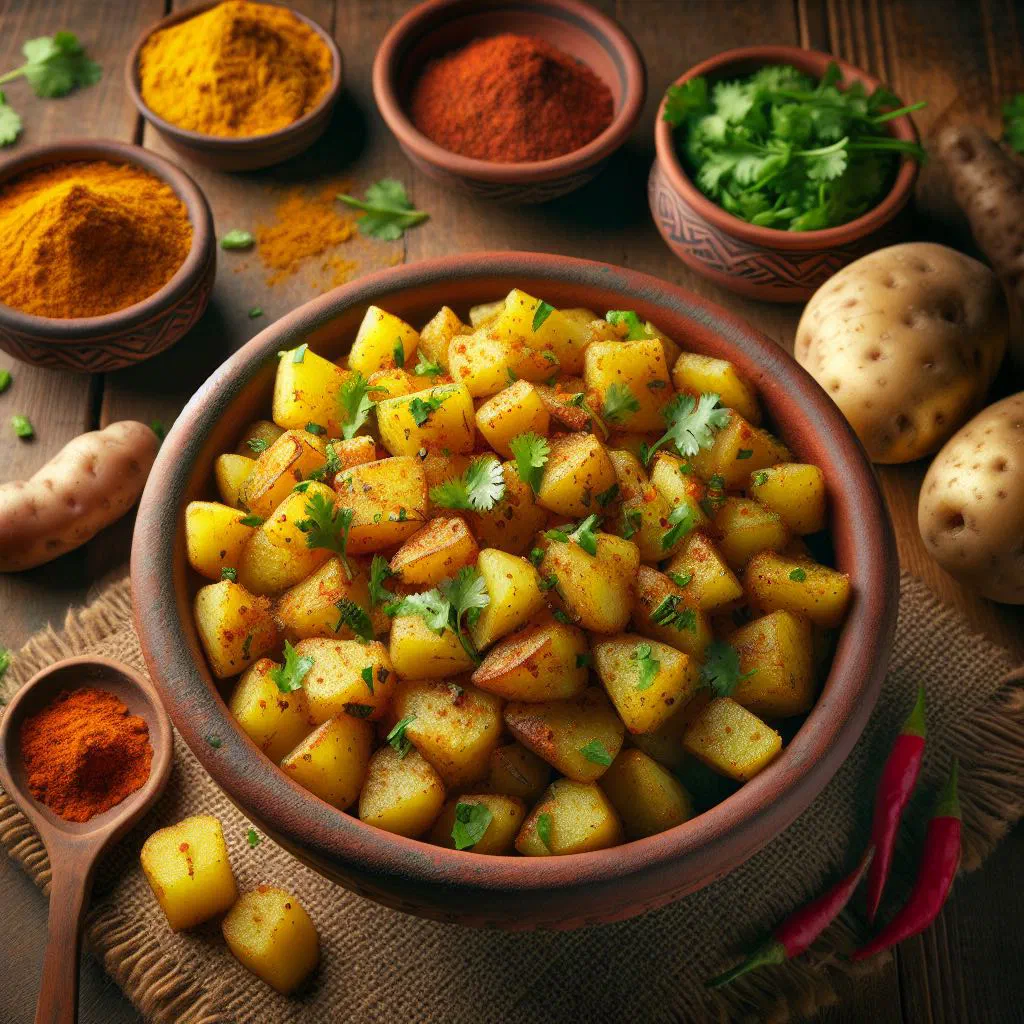
Presentation can lift the whole Aloo Ko Bhaji experience considerably. Serve the dish in a rustic bowl, garnished with fresh coriander. Combine it on the plate with other traditional Nepalese dishes to create a colourful, appealing spread. Set out crisp naan or rice alongside to round the meal off. This visual touch makes the table not only more inviting but culturally richer too.
A bit of history
Aloo Ko Bhaji carries deep-rooted cultural and historical meaning in Nepal. The dish reflects the principles of Nepalese cuisine, which draws on seasonal and regional ingredients. The use of spices has a long tradition stretching back centuries, as Nepal was well known as a crossroads for trade routes. These influences have produced a rich and varied culinary heritage, visible in dishes like Aloo Ko Bhaji and across the wider world of Nepalese cooking.
More recipe ideas
Summary: Aloo Ko Bhaji
All in all, Aloo Ko Bhaji is a simple but flavourful dish that captures the essence of Nepalese cuisine. Every bite offers a burst of aroma and a pleasing texture that locals and visitors alike enjoy. Its straightforward preparation makes it an ideal choice for any evening meal, while its adaptability ensures it suits all kinds of preferences. Give this traditional recipe a try and bring a little piece of Nepal into your own kitchen.