National Dish Nepal: Bhakka (Recipe)
In this article
Meet Bhakka, a wonderfully simple yet deeply satisfying speciality from the hills of Nepal. Made from little more than cornmeal, water and a pinch of salt, this rustic dish carries a hearty texture and a mild, comforting flavour that pairs beautifully with all manner of curries and chutneys. Rooted in rural tradition and often shared at festivals, Bhakka offers a genuine taste of Nepalese home cooking that is easy to recreate in your own kitchen.
About Bhakka
Nepalese cuisine is celebrated for its varied flavours and distinctive dishes, and Bhakka is one of its finest examples. This traditional dish brings together ingredients that are delicious and carry a deep cultural significance. Bhakka is made primarily from cornmeal and is known for its hearty texture as well as the many different accompaniments that can be served alongside it. Across the various regions of Nepal, Bhakka is prepared with slight variations, a lovely reflection of the diversity of Nepalese cooking.
Ingredients (serves 1–2)
- 150 g cornmeal
- 300 ml water
- 1 tsp salt
- 1 tbsp oil (optional)
- Accompaniments of your choice (e.g. vegetable curry or chutney)
Shopping for the ingredients
If you would like to make Bhakka, it is important to source all your ingredients fresh to achieve the best flavour. Cornmeal is available in most supermarkets or specialist Asian grocery shops. Make sure the flour is of good quality, as this is crucial to the texture of the finished dish. The accompaniments can vary to suit your taste, and it is well worth using regional produce to preserve the authenticity of the meal, much as you would when cooking Dhido.
Preparing the dish
Before you begin making Bhakka, a little thorough preparation goes a long way. Make sure all your ingredients are ready to hand and that you have enough space to work. The water should be heated in a small pan, and the salt added straight away so the seasoning is evenly distributed. It is also advisable to prepare your accompaniments in advance, so that you can enjoy them at the same time as the Bhakka.
Step-by-step instructions
- Bring the water to the boil in a pan together with the salt.
- Gradually stir the cornmeal into the boiling water.
- Stir the mixture well until it reaches a smooth, homogeneous consistency.
- Continue cooking the Bhakka over low heat until it firms up and starts to come away easily from the base of the pan.
- Remove the finished Bhakka from the pan and portion it as you like.
Gluten-free / lactose-free version
One of the finest qualities of Bhakka is that it is naturally gluten-free, as it is made exclusively from cornmeal. This makes the dish especially suitable for anyone who is sensitive to gluten. Bhakka is also lactose-free, provided you leave dairy products out of the accompaniments. You can choose vegetable curries or other plant-based sides to adapt the dish to your needs.
Tips for vegans and vegetarians
Bhakka is an excellent dish for vegans and vegetarians, as it is easily prepared using only plant-based ingredients. To make the meal even healthier, you can add a range of vegetable sides such as broccoli, carrots or spinach. Take care that all the ingredients you use are plant-based, particularly when choosing the oil and the spices for the accompaniments. This allows you to create a healthy and nourishing meal that is rich in nutrients, in the same wholesome spirit as a bowl of Gundruk.
More tips and tricks
To give Bhakka the perfect consistency, it is important to add the water gradually while stirring constantly. Another handy tip is to let the Bhakka cool a little after cooking before you cut it into portions, as this makes it easier to transport and serve. Keep testing the consistency and add water or flour as needed to achieve the result you want. With a little practice you will soon become an expert Bhakka cook.
Adapting the recipe to your taste
The beauty of Bhakka lies in its versatility. You can easily adjust the basic recipe by adding different spices or using more liquid to create a range of flavours. Consider which regional ingredients you might incorporate to give the dish your own personal touch. These options let you rediscover the dish again and again, keeping it fresh every time you cook it.
Ingredient substitutions
If you do not have cornmeal to hand, you can also try rice flour or millet flour to achieve a similar texture. If, however, you would like to stick to the classic Nepalese version, cornmeal is the ideal choice. The accompaniments are variable too, so you can use different vegetables or pulses depending on what you have available or what you prefer. Try it alongside Aloo Tama for a hearty pairing. Take care to balance the alternatives properly so as to keep the overall flavour profile in harmony.
Drink pairing ideas
A range of drinks pairs wonderfully with a hearty dish like Bhakka. A Nepalese beer or a light white wine can complement the flavours of the dish beautifully. Alternatively, you might serve a refreshing mint tea or a ginger tea to balance the heat and flavour of the accompaniments. The key is to choose a suitable combination that balances the coolness of the drink with the warmth of the food.
Serving and presentation ideas
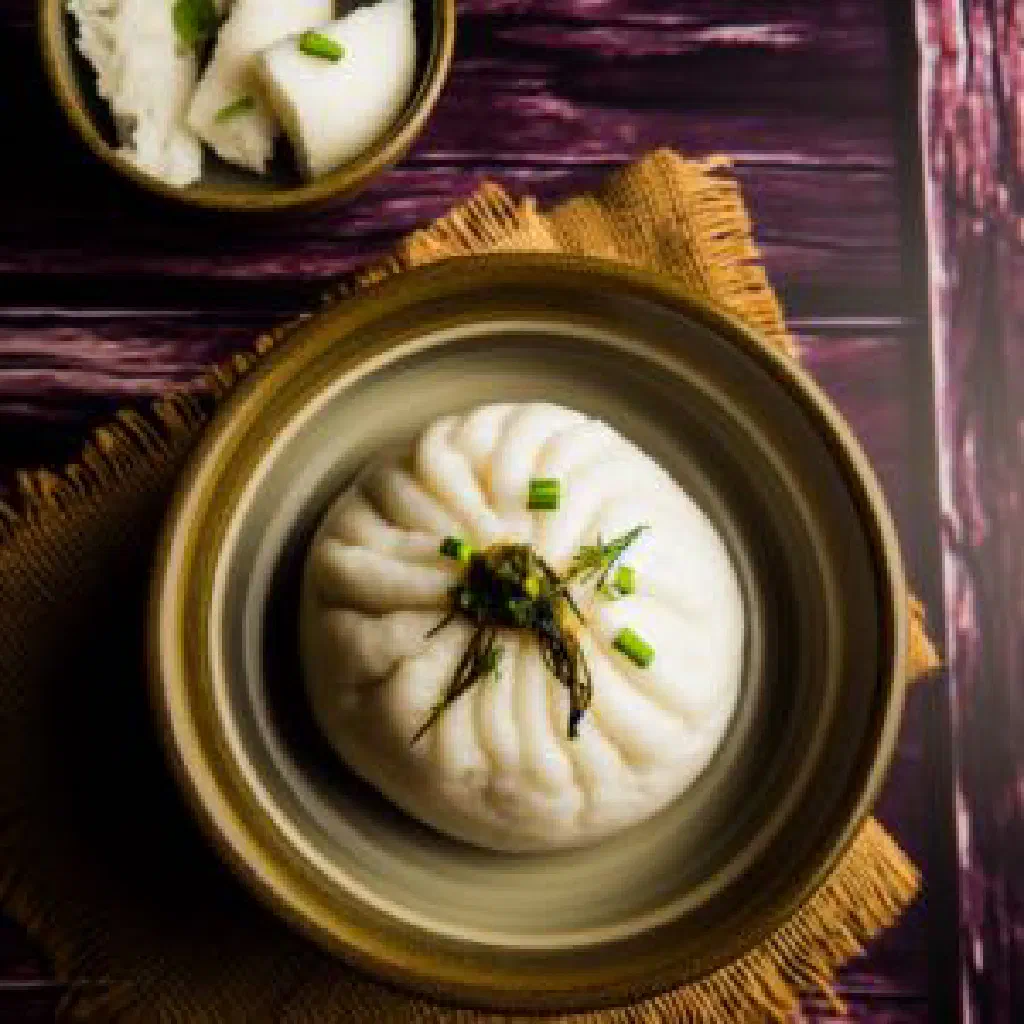
Presentation plays an important role, particularly in Nepalese culture. To serve Bhakka attractively, you can arrange it on a lovely plate and garnish it with fresh herbs. Combine the Bhakka with colourful sides such as a vegetable curry and a little chutney to create a varied play of colours. This visual variety will please the eye and invite your guests to tuck in.
A bit of history
Bhakka has its origins in the rural regions of Nepal and is deeply rooted in the country’s culture. It is often served at festivals and special occasions, symbolising hospitality and community. Historically, dishes like this were an essential part of the diet, as they are nourishing and simple to prepare. Through the influences of the many different ethnic groups and cultures within Nepal, the preparation of Bhakka has evolved over the decades and today offers a wealth of variations across Nepalese cuisine.
More recipe ideas
Summary: Bhakka
Bhakka is a tasty dish and a piece of Nepalese culture that you can recreate in your own kitchen. With its adaptable ingredients and its many possible accompaniments, it offers a wonderful way to discover the flavours of Nepal. Whether with meat, vegetables or vegan sides, the possibilities are almost endless. Let yourself be inspired by the delicious world of Nepalese cooking and savour the authentic taste experiences that Bhakka has to offer.