National Dish Nepal: Dhindo (Recipe)
In this article
Meet Dhindo, the hearty national dish of Nepal and a cornerstone of home cooking across the Himalayan foothills. Made from little more than rice flour and water, it is patiently stirred over the heat until it turns thick, smooth and wonderfully creamy. Simple, filling and deeply nourishing, Dhindo is the kind of honest food that has sustained mountain communities for generations, and it is every bit as satisfying at a modern table.
About Dhindo
Dhindo is an enormously popular dish in Nepal, one that is often made with real care and a strong sense of tradition. Its main ingredients are rice flour and water, which together form a smooth, creamy consistency. Unlike many other rice dishes, Dhindo is not simply boiled but stirred slowly and steadily to achieve the perfect texture. That makes it not only a tasty meal but a genuine experience for the senses.
Ingredients (serves 1–2)
- 200g rice flour
- 400ml water
- A pinch of salt
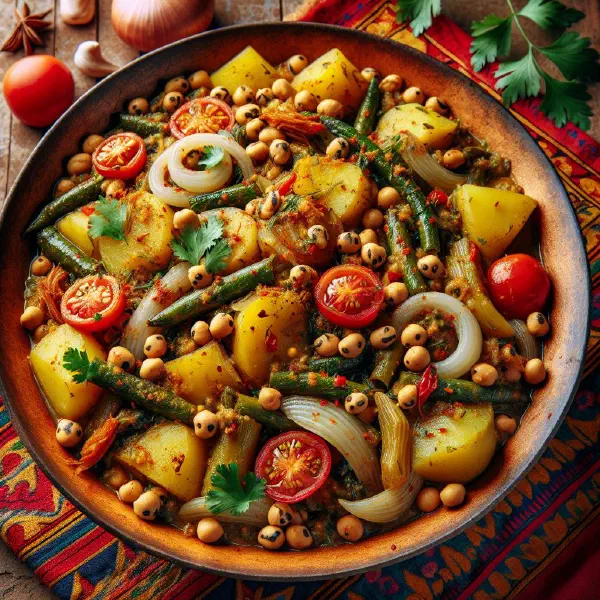
- Cooked vegetables or lamb, to serve
Shopping for the ingredients
To make Dhindo, pick up fresh rice flour from your local Asian grocery or an organic supermarket. Choose a good-quality flour to guarantee the characteristic flavour and consistency. Any vegetables you plan to use should be fresh and, ideally, in season. If you would like to serve lamb alongside it, it is worth turning to local butchers who work sustainably.
Preparing the dish
Before you start cooking Dhindo, make sure all your ingredients are ready to go. This makes the cooking process far easier. It is also important to bring the water to the boil in a pan beforehand, so the cooking runs smoothly. Stirring is an essential part of the method, and some cooks prefer a special wooden spoon to keep the mixture moving evenly.
Step-by-step instructions
- Bring the water to the boil in a pan and add a pinch of salt.
- Reduce the heat and slowly add the rice flour, stirring continuously.
- Cook the mixture for around 20–30 minutes, stirring often, until it reaches a creamy consistency.
- Serve the Dhindo hot with cooked vegetables or tender lamb.
Gluten-free / lactose-free version
For a gluten-free version of Dhindo, you can use rice or maize flour in place of the usual rice flour. These flours can deliver similar results, though the texture may differ slightly. It is important to adjust the cooking time and the water ratio as needed. Since Dhindo traditionally contains no dairy, it is naturally lactose-free as well.
Tips for vegans and vegetarians
Vegan or vegetarian versions of Dhindo are simple to prepare. Just use vegetables or a plant-based stock for the cooking. Experiment with different kinds of vegetables to give your dish more flavour. There are also plenty of recipe variations that include healthy fats such as avocado or coconut to boost the nutritional value. And do not forget to add fresh herbs for an extra layer of taste. It pairs beautifully with a side of tangy Gundruk.
More tips and tricks
One key tip when making Dhindo is to stir constantly and evenly to avoid any lumps forming. If you feel the mixture is becoming too stiff, simply add a little more water to reach the creaminess you want. Practise a little patience, because slow cooking is the secret to getting this dish right. The result will be delicious and extremely nourishing.
Adapting the recipe to your taste
Depending on your personal preferences, you can tailor Dhindo entirely to your own taste. Fancy something with a bit more heat? Add spices or chilli powder to give the dish an extra kick. You can also try different combinations of vegetables to bring variety to your menu. Experimenting with new ingredients can lead to exciting flavour discoveries, much as it does in a bowl of Thukpa.
Ingredient substitutions
If you do not fancy rice flour, or simply do not have any to hand, you can also use teff flour or other alternative flours. These can offer a varied nutritional profile too. When it comes to the water, you might use vegetable stock instead to deepen the flavour further. Small changes like these can have a big impact on the final result.
Drink pairing ideas
A range of drinks pairs well with Dhindo, complementing the flavours of the dish beautifully. Traditionally it is often served with a glass of beer or a cup of chai tea. For a non-alcoholic option, choose sparkling water or a freshly pressed fruit juice.
Serving and presentation ideas
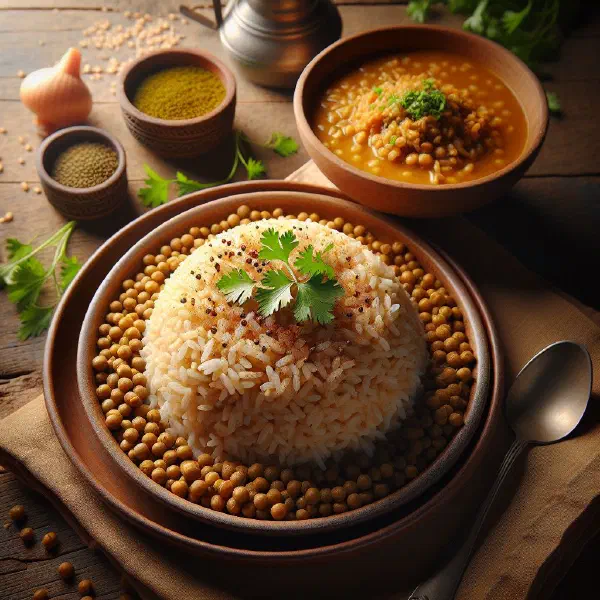
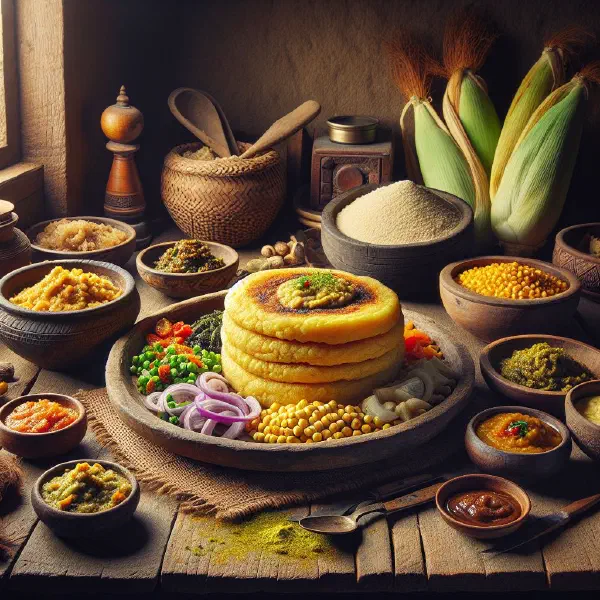
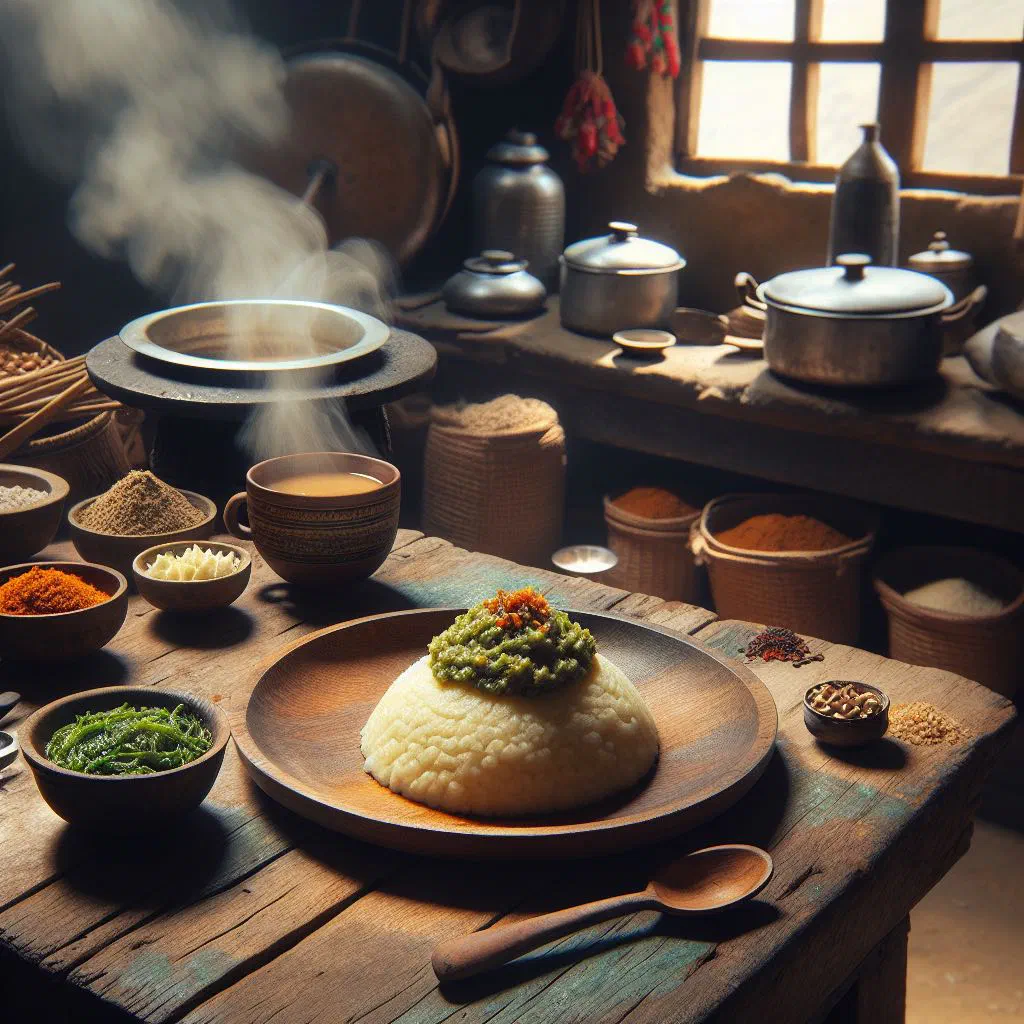
To serve Dhindo attractively, first place it on a flat plate and shape it into a neat mound with a spoon. Garnish your dish with fresh vegetables or herbs to add a splash of colour. A few drops of olive oil or ghee can refine the whole thing further. An appealing presentation not only heightens the enjoyment but turns the meal into something special.
A bit of history
The roots of Dhindo reach deep into Nepalese culture and cuisine. It is a dish often served at festivities and special occasions, and one that represents long-held traditions. Historically, Dhindo was prepared by the mountain communities of Nepal because it was simple and nourishing. This dish is a symbol of hospitality and cultural identity, a proud staple of Nepalese cuisine.
More recipe ideas
Summary: Dhindo
Dhindo is far more than a simple dish; it is a journey into the culture of Nepal. With its wholesome ingredients and its easy, uncomplicated method, it is ideal for anyone keen to fall in love with Nepalese cooking. Dhindo stands out for its creamy consistency and nourishing qualities. Do not miss the chance to try this delicious dish and become part of a proud Nepalese tradition.