National Dish Nepal: Jhaneko Dal (Recipe)
In this article
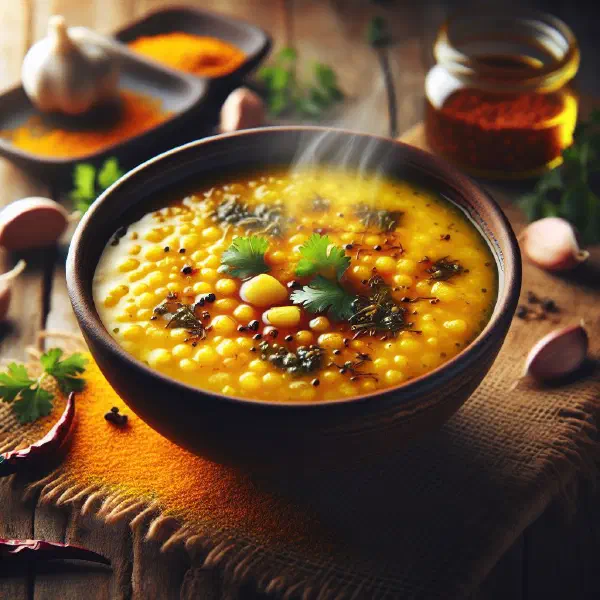
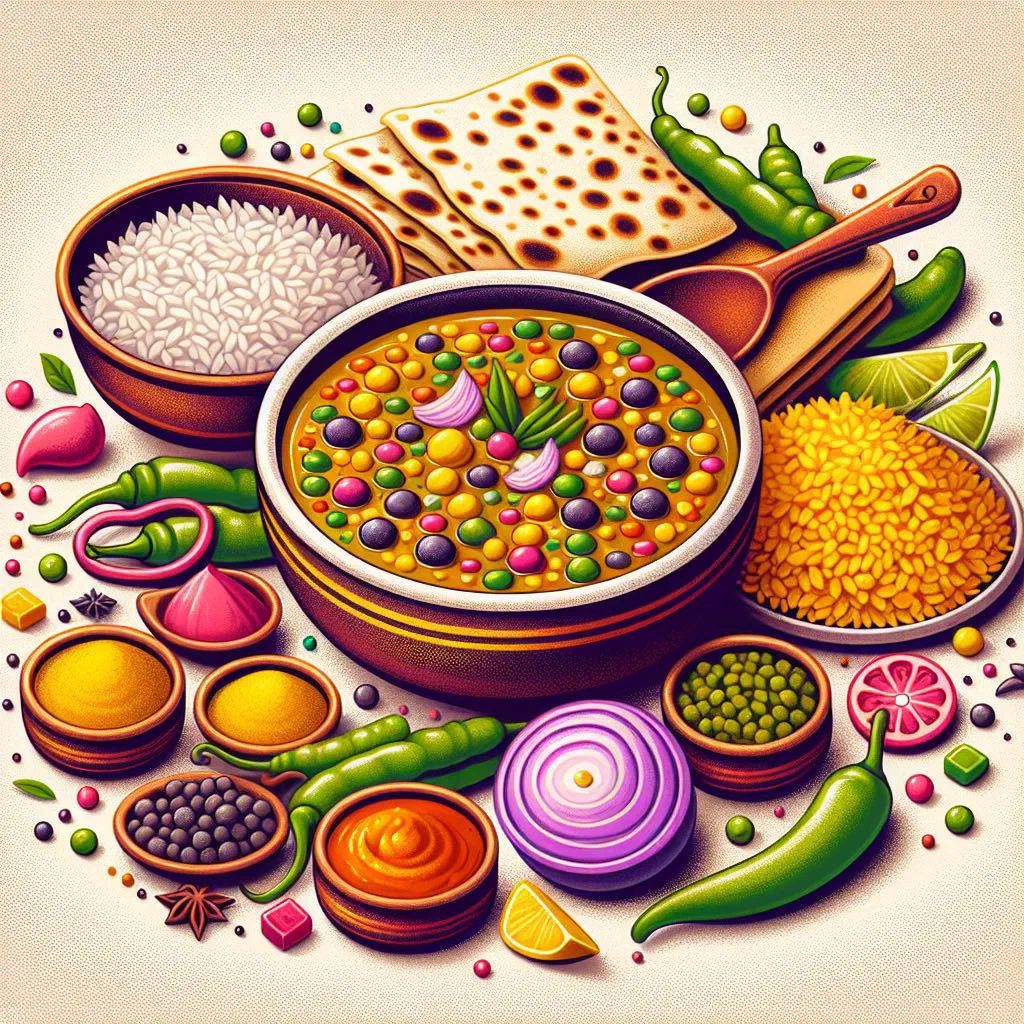
Meet Jhaneko Dal, a fragrant Nepalese lentil soup that sits at the very heart of everyday cooking in Nepal. Simmered from red lentils and finished with a lively blend of spices and fresh herbs, it delivers deep, warming flavour with the simplest of ingredients. Nourishing, comforting and rich in plant protein, it is the kind of dish that feels like home. Perfect ladled over rice or scooped up with warm bread. Bring a taste of the Himalayas straight to your own kitchen.
About Jhaneko Dal
Jhaneko Dal is a classic Nepalese dish that many households regard as a staple. This aromatic lentil soup is built from a distinctive mix of lentils, spices and fresh herbs that lend it an intense, satisfying flavour. The generous use of spices reflects the culinary tradition of Nepal, which so often layers different aromas and textures together. Ideal as a side to rice or naan, Jhaneko Dal is nourishing and an excellent source of plant-based protein.
Ingredients (serves 1–2)
- 1 cup red lentils
- 1 medium onion, finely chopped
- 2 cloves garlic, chopped
- 1 inch fresh ginger, grated
- 1 teaspoon cumin
- 1 teaspoon turmeric
- 2–3 green chillies, to taste
- 1 cup fresh spinach, washed and chopped
- 2 tablespoons vegetable oil
- Salt to taste
- Water as needed
Shopping for the ingredients
To make Jhaneko Dal, it is worth sourcing your ingredients from an Asian grocery or a well-stocked supermarket. Look for good-quality red lentils, as they cook quickly and give a pleasant, soft texture. Fresh herbs and spices are just as important for guaranteeing an authentic flavour. Ask in the shop for Nepalese or Indian spices to find exactly the right blend for the dish.
Preparing the dish
Before you start cooking Jhaneko Dal, it is important to prepare the ingredients carefully. Rinse the red lentils thoroughly under cold water to wash away any grit. Chop the onions, garlic and ginger very finely, as this helps the aromas spread evenly through the soup. The amount of chilli can be adjusted to suit the heat you prefer. These simple steps are key to a truly flavoursome result.
Step-by-step instructions
- Heat the vegetable oil in a large pan over medium heat.
- Add the finely chopped onion and fry until golden brown.
- Stir in the garlic, ginger and chilli and cook for a further 2 minutes.
- Add the cumin and turmeric and stir vigorously to release their aroma.
- Tip in the rinsed lentils and pour in around 3 cups of water.
- Bring to the boil, then lower the heat and let it simmer for 20–30 minutes.
- Add the chopped spinach during the final 5 minutes and season with salt to taste.
- Serve the Jhaneko Dal hot with rice or naan.
Gluten-free / lactose-free version
Jhaneko Dal is naturally gluten-free and lactose-free, which makes it a wonderful choice for anyone with these intolerances. Simply stick to the ingredients listed to make sure guests with a sensitive stomach can enjoy the meal with confidence. If needed, take care to choose a lactose-free option when selecting your oil. This dish slots easily into any dietary plan without fuss.
Tips for vegans and vegetarians
Jhaneko Dal is already suitable for vegans and vegetarians, as it is made entirely from plant-based ingredients. To pack in extra nutrients, you can work in different vegetables such as carrots or courgettes. Experiment with additional herbs and spices to tune the flavour to your own taste. This dish leaves plenty of room for creative variations, making it ideal for a flexible, meat-free diet.
More tips and tricks
The preparation of Jhaneko Dal can be refined with a few simple tricks. Soak the lentils for a couple of hours before cooking to shorten the cooking time and improve digestibility. You can also adjust the consistency of the dal by adding more or less water. For a deeper aroma, garnish the dish with fresh herbs such as coriander or parsley and lift the flavour to the next level.
Adapting the recipe to your taste
Jhaneko Dal is an extremely adaptable dish that is easy to modify for different palates. Experiment with various types of lentil, yellow or black lentils, for example, to create new flavour experiences, much as you would in a comforting Dal Fry. Add a splash of coconut milk for a creamier texture, or crank up the heat with extra chillies. Your preferences when it comes to spices and ingredients are the key to a personal taste experience you will want to enjoy again and again.
Ingredient substitutions
If you are allergic to certain ingredients or simply do not have them to hand, there are plenty of alternatives to try in Jhaneko Dal. Instead of red lentils you can use yellow lentils, which have a similar cooking time. If you are not keen on green chilli, red pepper works well for a milder flavour. This adaptability and versatility make the dish unique and let you tailor it to your own kitchen.
Drink pairing ideas
To round off the Jhaneko Dal experience, a range of drinks can be served alongside the dish. A traditional Nepalese chai is a wonderful match that harmonises beautifully with the aromas. Alternatively, fruity lemonades or plain sparkling water pair well with spicy dishes. For those who do not shy away from alcohol, a light Indian beer can be a tasty choice that heightens the flavours.
Serving and presentation ideas
The presentation of Jhaneko Dal plays an important part in enjoying the dish. Serve it in decorative bowls and garnish the top with fresh, chopped coriander or parsley. Splashes of colour make the dish look appetising and enhance the pleasurable impression. A little lemon juice over the dal can add fresh flavour and a more attractive appearance. Creative presentation can significantly boost the enjoyment of the meal and pleasure your guests.
A bit of history
Jhaneko Dal has a long tradition in Nepalese cuisine and is often seen as a symbol of hospitality and community. It is a dish passed down from generation to generation, and in many Nepalese households it forms part of the daily meal alongside staples like Dal Bhat. Preparing Jhaneko Dal brings family members together and invites them to eat and share as one. Historically, this type of soup has been a cornerstone of the Nepalese diet, prized for its nutritional density and its cost-effectiveness. These cultural values make Jhaneko Dal more than a recipe, but an important part of Nepalese identity.
More recipe ideas
Summary: Jhaneko Dal
In summary, Jhaneko Dal is an incredibly versatile dish that shines through its nourishing ingredients and delicious flavours. It embodies Nepalese tradition and encourages a shared meal with family and friends. The simple preparation steps and countless ways to adapt it make it easy to bring Jhaneko Dal into any kitchen, whether for everyday enjoyment or a special occasion. Give it a try and discover the culinary diversity of Nepal.