National Dish Nepal: Jwano Ko Jhol (Recipe)
In this article
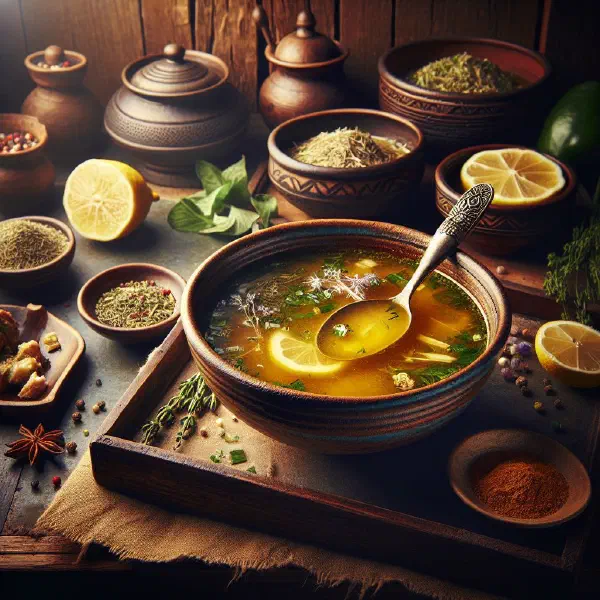
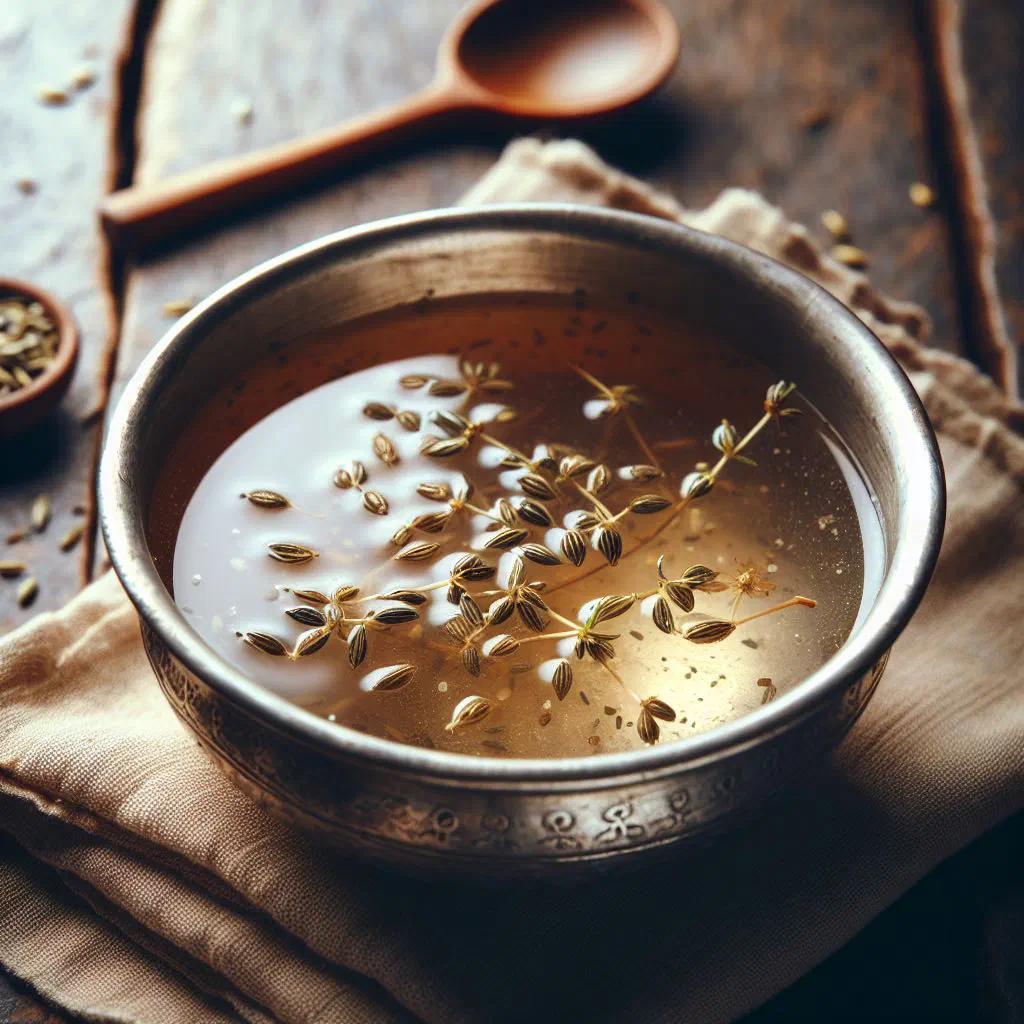
Meet Jwano Ko Jhol, a fragrant Nepalese herbal soup that turns a handful of simple ingredients into something genuinely restorative. Built around jwano, the carom that lends the dish its distinctive, thyme-like aroma, this gently spiced broth is as easy to make as it is comforting to eat. Long a favourite in Himalayan kitchens, it is the kind of warming bowl you reach for on a cold evening, and a lovely way to get a taste of Nepal’s homely cooking.
About Jwano Ko Jhol
Jwano Ko Jhol is a much-loved dish from Nepal, prized for its clean, aromatic flavour and its wonderfully simple preparation. The soup is built on a base of fresh spices that sit at the heart of Nepalese cooking, and it is the jwano, carom, with its warm, thyme-like character, that gives the broth both its signature taste and its reputation as a soothing, health-giving food. More than just a pleasure to eat, this soup is a genuine window onto the culture of Nepal.
Ingredients (serves 1–2)
- 1 cup fresh jwano (carom leaves, or thyme as a stand-in)
- 1 onion, diced
- 2 cloves garlic, chopped
- 2 cups vegetable stock
- 1 teaspoon turmeric
- Salt and pepper to taste
- 1 tablespoon oil
Shopping for the ingredients
The ingredients for jwano ko jhol are easy to track down, particularly in Asian or Indian grocery shops. Fresh jwano can often be found in herb gardens or at farmers’ markets, and using it at its freshest makes a real difference to the finished soup. When buying vegetable stock, look for one that is free from artificial additives so the natural flavours can shine through. Where you can, choose organically grown produce for an even deeper aroma.
Preparing the dish
Have all your ingredients measured out and ready, and chop the onion and garlic in advance so the cooking moves along quickly. It also helps to warm the stock beforehand, so the flavours have a chance to come together sooner. This small bit of preparation saves time and keeps the whole process smooth and relaxed.
Step-by-step instructions
- Heat the oil in a pan over a medium heat.
- Add the diced onion and fry until golden brown.
- Stir in the chopped garlic along with the jwano and turmeric, and cook for a further 2 minutes.
- Pour in the hot vegetable stock and bring the soup to the boil.
- Reduce the heat and let it simmer gently for around 10–15 minutes.
- Season with salt and pepper, and serve piping hot.
Gluten-free / lactose-free version
Jwano ko jhol is naturally gluten-free and lactose-free, which makes it an ideal choice for anyone with particular food intolerances. Do check that your vegetable stock is gluten-free, especially when buying it ready-made. Thanks to its fresh, natural ingredients, this soup is delicious and wholesome and easy on most diets.
Tips for vegans and vegetarians
Jwano ko jhol is a wonderful dish for vegans and vegetarians, being rich in both flavour and nutrients. Simply make sure every ingredient is plant-based to keep the meal fully vegan and nourishing. The soup also takes happily to extra vegetables, so you can vary the goodness and the taste, a handful of carrots or spinach, for instance, adds a welcome dose of vitamins.
More tips and tricks
To deepen the flavour of jwano ko jhol, try varying the spicing with a little ginger or chilli, both of which sit beautifully alongside the existing ingredients. Play with the consistency too: use less stock for a thicker soup, or blend it smooth for a creamy version that makes an excellent starter. A brothier bowl like Sinki Jhol shows just how far a good Nepalese broth can be taken.
Adapting the recipe to your taste
The scope for adapting jwano ko jhol is almost endless. Depending on what you fancy, you can tweak the recipe by adding different vegetables or pulses, a handful of chickpeas, for example, makes the soup richer and more filling. Don’t be shy about experimenting with the quantities of spice, either, until you land on the flavour profile that suits you best.
Ingredient substitutions
If you are missing an ingredient or two, there are easy swaps to hand. When no jwano is available, fresh oregano or basil will bring a different but equally tasty note, much as they do in a herby Jwano Ko Tarkari. Likewise, the vegetable stock can be replaced with chicken stock if you are not cooking vegan or vegetarian.
Drink pairing ideas
Plenty of drinks complement jwano ko jhol and echo its aromatic character. A fresh mint lemonade or a straightforward chai offers a refreshing contrast while harmonising nicely with the soup’s flavours. You might also try a light beer or a glass of white wine, both of which balance the heartiness of the broth. Drinks like these add another dimension and turn the meal into something a little special.
Serving and presentation ideas
Presentation can lift the whole jwano ko jhol experience. Serve the soup in deep, colourful bowls that show off its vivid tones, and finish with a scattering of fresh herbs, a little extra jwano, perhaps, or a squeeze of lime juice, to make it look especially appetising. Round things off with some crusty bread or a fresh salad on the side for a complete, satisfying meal.
A bit of history
Jwano ko jhol has its roots in traditional Nepalese cooking, a cuisine shaped strongly by the landscape of the Himalayas. Its reliance on local vegetables and fresh herbs reflects the tradition of Nepalese home cooking, which tends to be healthy and nourishing by nature. For generations this soup has been a favourite in Nepalese households, served traditionally in the colder months to help keep the body warm. A dish with such a history is a true treasure of Nepalese cuisine.
More recipe ideas
Summary: Jwano Ko Jhol
Jwano ko jhol is a hearty pleasure and a healthy option for any kitchen. With its simple ingredients and fuss-free preparation, this dish is perfect for anyone keen to discover the flavours of Nepal. Its many possible variations and its use of fresh herbs make every bowl an individual tasting experience. Explore the cultural and culinary facets of Nepal with this special recipe, and enjoy the comforting warmth in every spoonful.