National Dish Nepal: Karkalo Tarkari (Recipe)
In this article
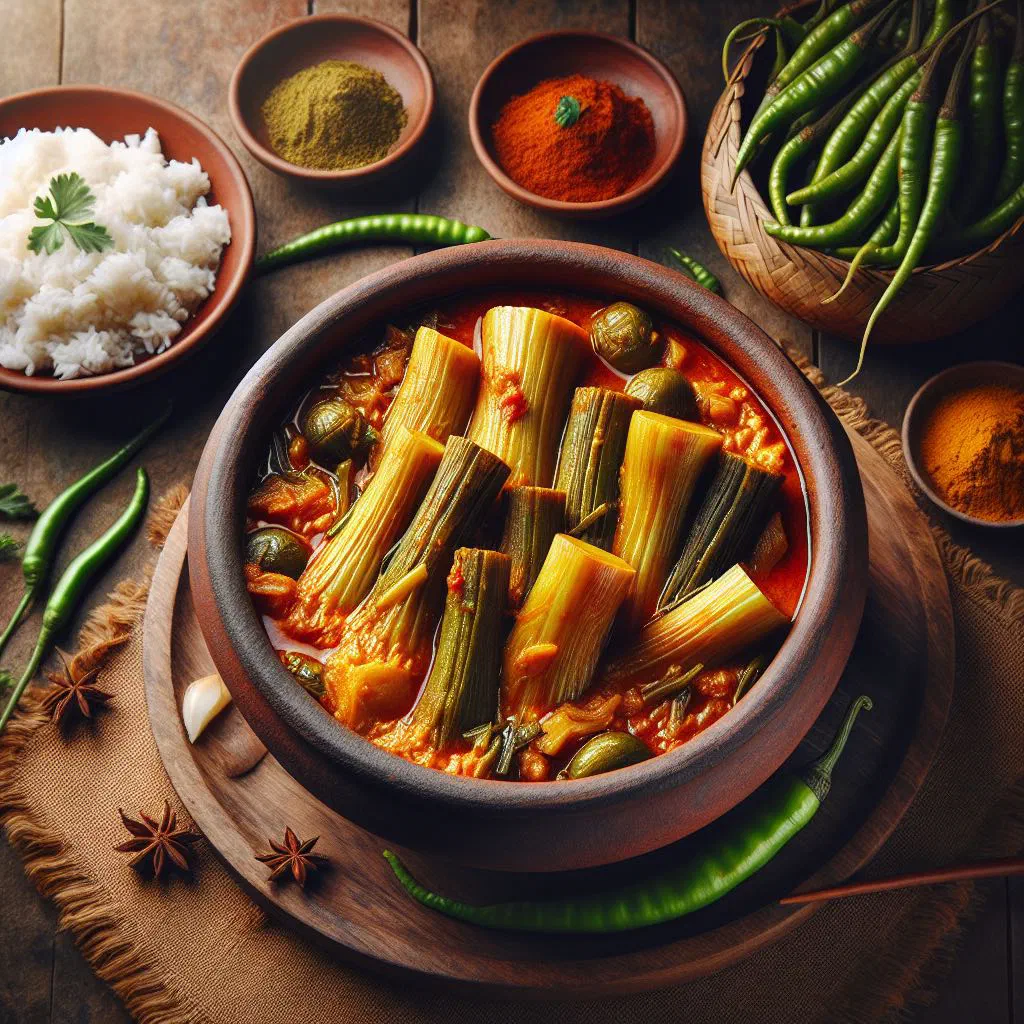
Meet Karkalo Tarkari, a wholesome Nepalese classic that turns humble greens into something quietly special. Built around the tender leaves of the taro plant, it is gently coaxed to life with cumin, garlic and turmeric until the flavours turn warm and nutty. Naturally vegan, gluten-free and lactose-free, it works beautifully as a light main or a comforting side, and it carries generations of Himalayan home cooking in every mouthful.
About Karkalo Tarkari
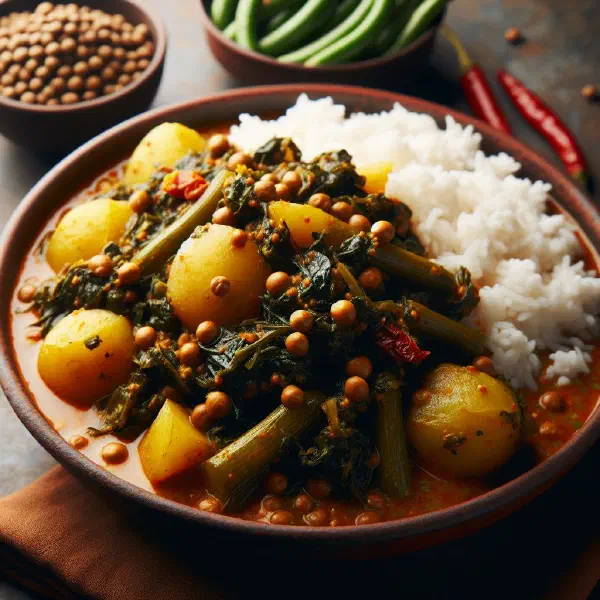
Karkalo Tarkari is a traditional national dish from Nepal, cherished for both its flavour and its deep cultural roots. It is made chiefly from the tender leaves of the karkalo plant, the leaves of the taro, which cook down into a soft, silky green with a gentle nutty character. The combination of fresh produce and a carefully chosen handful of spices lifts everyday Nepalese cuisine to a new level. Enjoyed as both a side dish and a main course, Karkalo Tarkari wins people over with its earthy aroma and delicate texture.
Ingredients (serves 1–2)
- 200 g fresh karkalo (taro) leaves
- 1 medium onion
- 2–3 cloves of garlic
- 1 teaspoon cumin seeds
- 1 teaspoon turmeric
- 2 tablespoons vegetable oil
- Salt to taste
- Optional: 1 tomato, diced
Shopping for the ingredients
To make Karkalo Tarkari at its best, it pays to choose your fresh ingredients with care. Taro leaves are stocked by many Asian grocers and specialist wholefood shops, and if you live in a culturally diverse city you may be lucky enough to find them at a Nepalese or Indian market. Look for leaves that are bright, crisp and unblemished, as this is the key to drawing out the full flavour of the finished dish. The spices, meanwhile, keep well and are easy to source from any well-stocked shop.
Preparing the dish
Before you start cooking Karkalo Tarkari, wash the taro leaves thoroughly and remove any grit or blemishes. Trim away the coarse stems and cut the leaves into small pieces so they wilt down evenly. Finely chop the garlic and onion so their aromas spread through the whole dish, and if you are using tomato, dice it now to add a touch of extra freshness.
Step-by-step instructions
- Heat the vegetable oil in a pan and add the cumin seeds.
- Once the seeds begin to crackle, add the chopped onion and garlic and fry until golden brown.
- Add the taro leaves, along with the diced tomato if you are using it.
- Sprinkle over the turmeric and season with salt. Stir well and cook over medium heat for about 10 minutes, until the leaves are tender.
Gluten-free / lactose-free version
Karkalo Tarkari is naturally gluten-free and lactose-free. Every ingredient, the taro leaves, the vegetables and the spices, is well suited to anyone with a food intolerance. Just take a moment to check that your vegetable oil carries no traces of gluten or lactose, as some blends can. This makes the dish a genuinely reassuring choice for a wide range of dietary needs, without any compromise on taste.
Tips for vegans and vegetarians
Karkalo Tarkari is an excellent choice for vegans and vegetarians, since it contains no animal products at all. To make it more protein-rich, you might stir in some chickpeas or lentils, which complement the nutty flavour of the taro leaves while adding real substance. Serve it with rice or roti to round things out into a wholesome, fully plant-based meal. For a fuller spread, pair it with a comforting bowl of Dal Bhat.
More tips and tricks
To deepen the flavour of Karkalo Tarkari, try experimenting with spices such as garam masala or a pinch of ground jimbu. These lend the dish an extra layer of warmth and depth. If you like a little heat, add fresh green chillies as it cooks. Keep an eye on the temperature while frying so the spices toast gently rather than catch and burn, steady, moderate heat is the secret here.
Adapting the recipe to your taste
Karkalo Tarkari leaves plenty of room for personal preference. Feel free to vary the vegetables, a handful of carrots or spinach works nicely alongside the greens, and adjust the spicing to suit yourself. Some cooks love to finish the dish with a squeeze of lemon juice for a bright, fresh lift.
Ingredient substitutions
If you cannot find taro leaves, they can be swapped for spinach or chard, both of which offer a similar texture and are just as tasty. You can experiment with the spices too, adding something like paprika to take the dish in a slightly different direction, much as you might with a hearty Saag Ko Tarkari. Just make sure any substitutes sit comfortably alongside the other ingredients.
Drink pairing ideas
To round off your Karkalo Tarkari, a refreshing glass of mango lassi makes a lovely match, its creamy sweetness balancing the savoury, spiced greens. Alternatively, a cup of mint tea or a simple glass of water with lemon adds a clean, cooling note. It is best to avoid overly sweet drinks, as they can mask the gentle flavours of the dish. A cup of Nepalese Masala Tea is another warming option.
Serving and presentation ideas
When it comes to presenting Karkalo Tarkari, a little care goes a long way. Serve it on an attractive plate and garnish with fresh coriander leaves, perhaps with a small squeeze of lemon juice for extra sparkle. A spoonful of yoghurt or a dab of chutney on the side turns it into a more rounded, inviting meal. Try a tangy Aloo Ko Achar to add colour and bite.
A bit of history
Karkalo Tarkari has a long history in the Nepalese kitchen and speaks to the country’s close relationship with local farming. It is often prepared during festive occasions, standing as a symbol of a good harvest and of coming together. The dish reflects the wider Nepalese cuisine, which marries simple and complex flavours with quiet skill. More than just food, it is an expression of culture and community that makes every meal in Nepal feel a little more meaningful.
More recipe ideas
Summary: Karkalo Tarkari
In short, Karkalo Tarkari is not only a delicious dish but one rich in cultural heritage. It brings together trusted spices and fresh, seasonal produce in a harmonious, satisfying whole. It is a real asset to any table, offering plenty of flavour that captures the spirit of Nepalese cooking. Give it a try and discover the wonderful aromas this cuisine has to offer.